Smart Water Leak Detection Ideas for Miami Homes That Help Prevent Expensive Damage
A small water leak rarely feels urgent at first. It may start as a slow drip under a sink, a supply line behind the washing machine, a water heater connection that looks slightly damp, or a toilet that runs quietly in the background. In a Miami or South Florida home, though, water problems deserve attention because heat, humidity, summer storms, and busy travel schedules can turn a small issue into a costly repair faster than many homeowners expect.
Smart water leak detection is one of the most practical home technology upgrades a homeowner can make. It is not flashy like a media room or dramatic like a kitchen renovation, but it can protect the parts of the home buyers and appraisers care about: flooring, cabinetry, drywall, baseboards, mechanical systems, and overall property condition. For homeowners who want to improve daily peace of mind while protecting long-term home value, leak sensors and better shutoff planning are worth a closer look.
Why Leak Prevention Matters More in South Florida
Miami homeowners already think about hurricane shutters, outdoor furniture, generators, and drainage during storm season. Water inside the home should be part of that same conversation. Miami-Dade County reminds residents that hurricanes can bring torrential rain, storm surge, power outages, and communication failures, and that preparation should happen before weather turns serious. Even when a leak has nothing to do with a storm, the same principle applies: the earlier you catch water where it does not belong, the better your odds of avoiding major damage.
The Environmental Protection Agency's WaterSense program notes that household leaks waste a large amount of water nationwide, and that common sources include worn toilet flappers, dripping faucets, and leaking valves. The EPA also points to leak detection and flow monitoring devices as tools that can alert homeowners to irregular water use and help reduce water waste and damage. That makes leak detection both a maintenance issue and a smart-home issue.
In South Florida, the risk is not just the water itself. Moisture that sits too long can lead to odors, swollen trim, damaged cabinets, warped flooring, and mold concerns. EPA mold guidance is direct about the basics: fix plumbing leaks and other water problems quickly, and dry items completely. That is exactly why early alerts matter.
Start With the Highest-Risk Areas
You do not need to turn your entire house into a complicated smart-home project overnight. A more practical approach is to identify the places where water damage would be most likely or most expensive.
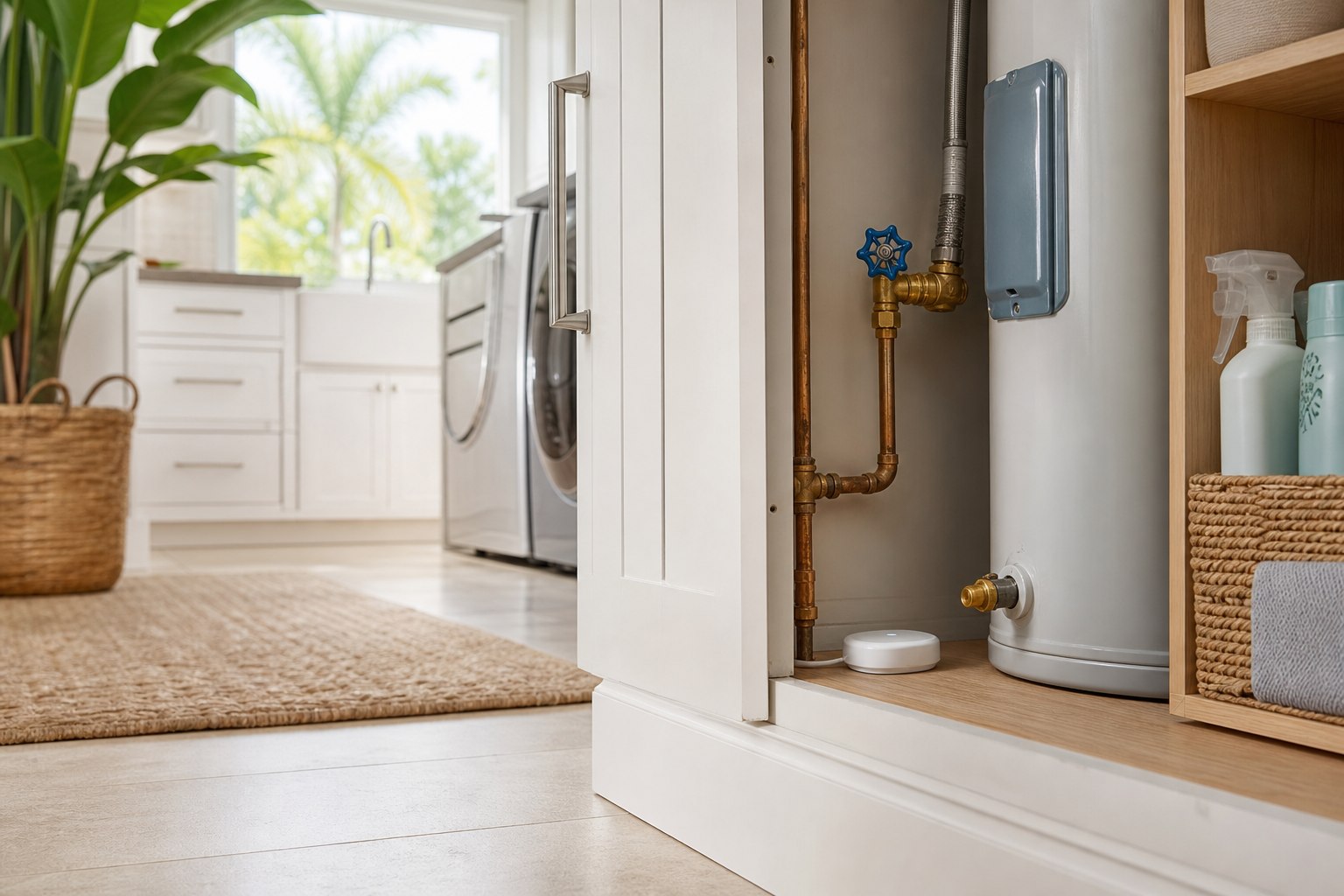
- Water heater: Place a sensor near the pan or base of the unit, especially if the heater is in a closet, garage, laundry room, or interior utility space.
- Washing machine: Put a sensor behind or beside the washer where supply hoses connect. This is especially useful in second-floor laundry rooms or tight laundry closets.
- Kitchen sink and dishwasher: A compact sensor under the sink can catch slow leaks from supply lines, drains, disposal connections, and dishwasher plumbing.
- Bathroom vanities: Sensors under sinks can catch small pipe and valve leaks before they damage cabinets or nearby walls.
- Toilets: Look for loose supply lines, aging shutoff valves, and silent running. A sensor behind or beside the toilet can be helpful in guest bathrooms that are not used every day.
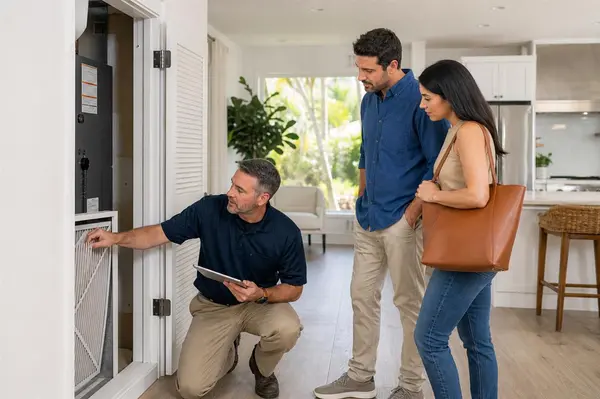
- Air handler and condensate line: In humid South Florida homes, HVAC condensate issues can create moisture problems. A sensor near the air handler or drain pan can provide another layer of warning.
Homes in neighborhoods with larger floor plans, guest suites, cabanas, or multiple bathrooms, such as many Pinecrest single-family homes, Coral Gables houses, and South Florida waterfront homes, may benefit from sensors in several zones rather than just one main location.
Choose the Right Type of Leak Device
There are two general categories homeowners should understand: point sensors and whole-home monitoring systems.
Point sensors are small devices placed on the floor or inside cabinets. They typically alert you when water touches the sensor contacts. They are affordable, simple, and useful in obvious problem areas. The main limitation is that they only detect water where the device is placed.
Flow monitoring systems watch water movement through the plumbing system. Some can detect unusual usage patterns, long-running water, or possible hidden leaks. More advanced systems may pair with an automatic shutoff valve, which can stop water flow if a serious leak is detected. These systems cost more and may require professional installation, but they can provide stronger protection when homeowners travel, own a second home, or simply want more control.
For many Miami homeowners, the best strategy is layered: a whole-home monitor or automatic shutoff for broad protection, plus point sensors in the most vulnerable spots.
Do Not Ignore Manual Shutoff Planning
Smart devices are helpful, but every homeowner should also know how to shut off the water manually. This is especially important before vacations, during hurricane season, or when work is being done on plumbing fixtures.
Walk through the house and identify:
- The main water shutoff valve.
- The water heater shutoff.
- Toilet shutoff valves.
- Sink shutoff valves.
- Washing machine valves.
- Irrigation shutoff controls, if applicable.
If a valve is corroded, stuck, unlabeled, or hard to reach, have a licensed plumber evaluate it before an emergency. A shutoff valve that cannot be turned quickly is not much help when water is already spreading across the floor.
Create a Simple Monthly Leak Routine
Smart leak detection works best when it supports good habits. Once a month, set aside ten minutes and check the areas most likely to cause trouble.
- Open under-sink cabinets and look for stains, swelling, musty smells, or dampness.
- Check around toilets for movement, rocking, or discoloration near the base.
- Look behind the washing machine if space allows.
- Inspect the water heater area for drips, rust, or moisture around fittings.
- Check HVAC closets and drain pans for standing water.
- Review your water bill for unusual usage changes.
- Test leak sensor batteries and app notifications.
The EPA recommends checking water usage and watching the meter when no water is being used as a way to identify possible leaks. That old-school habit pairs well with new technology. If the meter changes when everything is off, or if a smart device reports unusual flow, investigate quickly.
Think About Travel, Seasonal Homes, and Busy Families
Leak detection is especially useful for homeowners who travel, own a second home, manage a rental property, or have long stretches when parts of the house are empty. A slow leak in a primary bathroom might be noticed the same day. A slow leak in a guest bath, cabana bath, upstairs laundry closet, or rarely used utility room may sit longer.
Before leaving town, consider a water checklist:
- Confirm leak sensors are online.
- Turn off water to the washing machine if appropriate.
- Make sure someone trusted can access the home if an alert goes off.
- Keep plumber, HOA, property manager, or neighbor contact information handy.
- Confirm app alerts go to more than one responsible person if possible.
This is also useful for multigenerational families, larger South Florida homes, and properties with detached guest areas or outdoor kitchens. More plumbing zones mean more places where an early warning can make a difference.
How Leak Detection Can Support Home Value
Most buyers will not pay more simply because a home has a few leak sensors. But buyers do notice condition. They notice stained cabinet interiors, warped baseboards, patched drywall, musty smells, damaged flooring, and signs that a home has not been carefully maintained. Preventing water damage helps preserve the quiet details that make a home feel clean, solid, and move-in ready.
For sellers, smart leak detection can also support a stronger maintenance story. A homeowner who can show thoughtful upgrades, regular maintenance, and proactive care gives buyers more confidence. In competitive South Florida real estate markets, confidence matters.
For buyers, especially those comparing Cutler Bay homes, Doral properties, Weston homes, or new construction in South Florida, water-related due diligence should be part of the walk-through conversation. Ask about the age of the water heater, visible plumbing updates, shutoff locations, prior leaks, and whether the home already has sensors or automatic shutoff protection.
Small Upgrade, Big Peace of Mind
The best home improvements are not always the ones guests notice first. Sometimes the smartest upgrades are the quiet ones that protect your home in the background. A few well-placed leak sensors, a working shutoff valve, and a simple inspection routine can help Miami homeowners prevent expensive damage, conserve water, reduce stress, and protect long-term property value.
If you are improving your South Florida home with future resale in mind, or if you simply want to make smarter decisions about maintenance, comfort, and property value, local guidance helps.
Thinking about buying, selling, improving, or understanding the value of your home? Contact William Gartin with eXp Realty. William helps Miami and South Florida homeowners make smart real estate decisions, understand what buyers notice, and plan improvements that support both quality of life and long-term value.
William Gartin with eXp Realty
305-842-6097
williamgartinrealestate.com
Sources and Helpful References
Categories
Recent Posts