How to Make Your Miami Home Smell Fresh, Clean, and Showing-Ready

A home that smells fresh the moment you walk in feels better, photographs better, and often gives buyers more confidence. In Miami and South Florida, though, a clean-smelling home takes more than a candle or a room spray. Humidity, air conditioning, closed windows, pets, cooking, damp towels, drains, closets, and stored household products can all affect how a home feels.
For Miami homeowners, freshness is really a maintenance habit. The goal is not to cover odors. The goal is to remove the source, keep moisture under control, improve airflow, and make the home feel cared for every day. Whether you live in a condo, a townhome, a single-family house in Pinecrest, a family home in Cutler Bay, or a waterfront home that deals with extra moisture and salt air, small choices can make a noticeable difference.
Here are practical ways to make your Miami home smell fresh, feel cleaner, and support long-term property value.
Start With the Source, Not the Scent
The fastest way to make a home smell artificial is to layer fragrance over a problem. If a room smells musty, sour, smoky, damp, or stale, pause before adding perfume. Walk the room and look for the likely source: a slow drain, wet towels, an old sponge, pet bedding, a hidden trash bin, a dirty air filter, damp shoes, a leaking sink cabinet, or a closet with poor airflow.
This matters because buyers notice when a home smells masked. Heavy fragrance can make people wonder what is being covered up. A naturally fresh home feels different. It feels clean, dry, bright, and easy to live in.
A simple weekly source check can help. Empty trash before it gets full, wash kitchen textiles, clean the garbage disposal, wipe refrigerator seals, check under sinks, and open cabinets where moisture could collect. In South Florida, the hidden areas often matter most.
Control Humidity Before It Becomes a Musty Smell
Miami homes work hard against humidity. Even a beautiful room can start to feel stale when the air is too damp. Bathrooms, laundry rooms, closets, garages, and bedrooms that stay closed for long periods are especially vulnerable.
The Florida Department of Health notes that moisture control is key to stopping indoor mold growth, and that indoor mold can often be seen or smelled. That is a useful homeowner reminder: if a space smells musty, treat it as a maintenance signal, not a cosmetic issue.
Use bathroom fans during showers and leave them running for a short time afterward. Avoid letting wet towels pile up. Make sure the clothes dryer vents outdoors and that the laundry area has enough airflow. Keep closet doors slightly open after rainy days or heavy AC use if the space tends to feel damp. If you use a dehumidifier in a problem area, empty it regularly and clean it according to the manufacturer's instructions.
In a South Florida home, humidity control helps protect more than comfort. It can protect cabinets, fabrics, baseboards, stored items, and the overall impression of care. That can matter when you are thinking about future resale value.
Make the Kitchen Smell Clean Without Overdoing Products
The kitchen is usually the center of daily life, and it is also where many home odors begin. Cooking oil, seafood, spices, trash, drains, dishcloths, and refrigerator spills can all linger in warm weather.
Start with the basics. Wash or replace sponges often. Let dishcloths dry fully between uses. Clean the sink strainer, disposal splash guard, and trash can lid. Wipe cabinet faces near the stove. Check the pantry for older items, especially anything opened and forgotten. If you cook often, use the range hood or kitchen exhaust when possible.
Be careful with too many scented cleaning products. The EPA identifies cleaning supplies, air fresheners, building materials, furnishings, and stored products as potential sources of indoor air pollutants. That does not mean you cannot use household products. It means you should use them as directed, ventilate when appropriate, and avoid turning a small freshness task into a heavy chemical cloud.
Refresh Soft Surfaces
Soft surfaces hold odors longer than tile, stone, glass, or metal. In Miami homes, upholstered chairs, area rugs, curtains, pet beds, throw pillows, mattresses, and closet fabrics can absorb humidity, cooking smells, and everyday life.
Vacuum rugs and upholstery with a clean filter. Wash removable pillow covers and throws. Rotate and air out cushions. Keep pet beds on a regular wash schedule. If a room still smells stale after cleaning hard surfaces, look at the fabrics next.
For homes that may be sold in the future, this is one of the least glamorous but most important showing-prep steps. A room can look clean in photos and still feel off in person if the fabrics hold old odors. Fresh textiles help a home feel move-in ready, especially in neighborhoods where buyers compare similar homes quickly, such as Palmetto Bay, Doral, Weston, and Coral Gables.
Check Drains, AC Areas, and Hidden Moisture Spots
Some odors do not come from surfaces at all. They come from the parts of the home people rarely inspect.
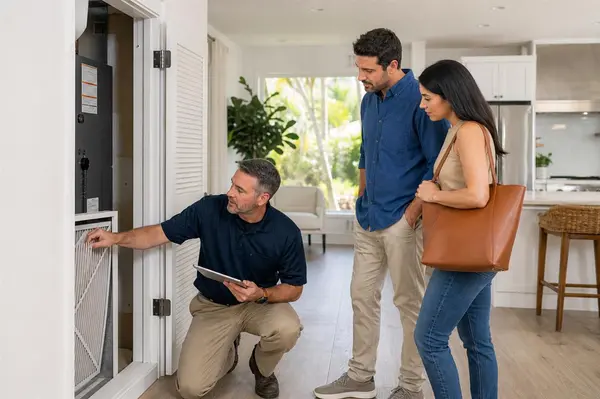
Check bathroom drains that are not used often. Run water in guest bathrooms and secondary sinks. Look under kitchen and bathroom cabinets for discoloration, soft wood, or a damp smell. Inspect the area around the air handler and AC drain line. If you see standing water, repeated condensation, staining, or a persistent musty odor, call the right professional instead of trying to hide the smell.
For South Florida homeowners, the air conditioning system is part of the freshness plan. FPL notes that air conditioning is a major part of Florida home energy use, and routine habits like thermostat settings and fan use can affect comfort and cost. A clean filter, clear returns, and a properly maintained system can help a home feel fresher because air is moving and filtering the way it should.
Store Chemicals, Paint, and Cleaners the Smart Way
Old paint, solvents, pool chemicals, pesticides, and strong cleaning products can create odors and indoor air concerns when they are stored poorly. Keep products sealed, labeled, and away from living areas when possible. Do not store unnecessary chemical clutter in a laundry room, kitchen cabinet, or air-conditioned closet just because it is convenient.
Miami-Dade County has Home Chemical Collection Centers for residential customers to dispose of items such as oil-based paints, pesticides, solvents, pool chemicals, and certain electronics. For homeowners, responsible disposal is part of keeping the home cleaner and safer. It can also make garages, utility rooms, and storage areas feel more organized.
Create a Light, Natural Freshness Routine
Once the source issues are handled, a subtle freshness routine can make the home feel polished. Use washable doormats at entry points. Keep shoes, beach towels, pool gear, and sports bags from spreading moisture through the home. Wash bedding regularly. Keep a small laundry basket in the bathroom or closet so damp items do not end up on the floor. Choose a few fresh plants that fit your lifestyle, but avoid overwatering them because wet soil can create its own odor problem.
If you like fragrance, keep it light. A clean home should not smell like a store aisle. It should smell like fresh air, clean fabric, dry surfaces, and a home that is cared for. During showings or open houses, subtle is better. Overpowering scent can distract buyers and make them wonder whether there is a moisture, pet, or smoke issue.
Why Freshness Supports Home Value
Freshness is not usually listed as a renovation, but it affects how people experience a home. A clean-smelling entry makes a stronger first impression. A dry bathroom feels better maintained. A fresh kitchen feels easier to live in. A closet without musty air feels more usable. A garage without chemical odor feels safer and more organized.
For Miami and South Florida real estate, those small impressions can shape buyer confidence. They support the larger message that the home has been maintained, cared for, and prepared thoughtfully. Even if you are not selling soon, the same habits make daily life more comfortable while protecting the surfaces, systems, and belongings that support your long-term home value.
Sources and Homeowner Notes (Reviewed July 20, 2026)
- U.S. EPA: Introduction to Indoor Air Quality
- U.S. EPA: Care for Your Air: A Guide to Indoor Air Quality
- U.S. EPA: Volatile Organic Compounds and Indoor Air Quality
- Florida Department of Health: Mold and Moisture Guidance
- Miami-Dade County: Home Chemical Collection Centers
- FPL: A/C Buying Guide and Energy Tips
Thinking About Improving or Selling Your South Florida Home?
If you are planning home improvements, preparing to sell, buying a home, or simply trying to understand what your property may be worth, William Gartin with eXp Realty can help you look at the real estate side of the decision. William helps Miami and South Florida homeowners understand property value, make smart updates, and plan for the future with confidence.
William Gartin with eXp Realty
305-842-6097
williamgartinrealestate.com
Categories
Recent Posts