Inspection Period Repairs in Miami and Broward: What Buyers Should Do After the Home Inspection
Reviewed July 22, 2026.
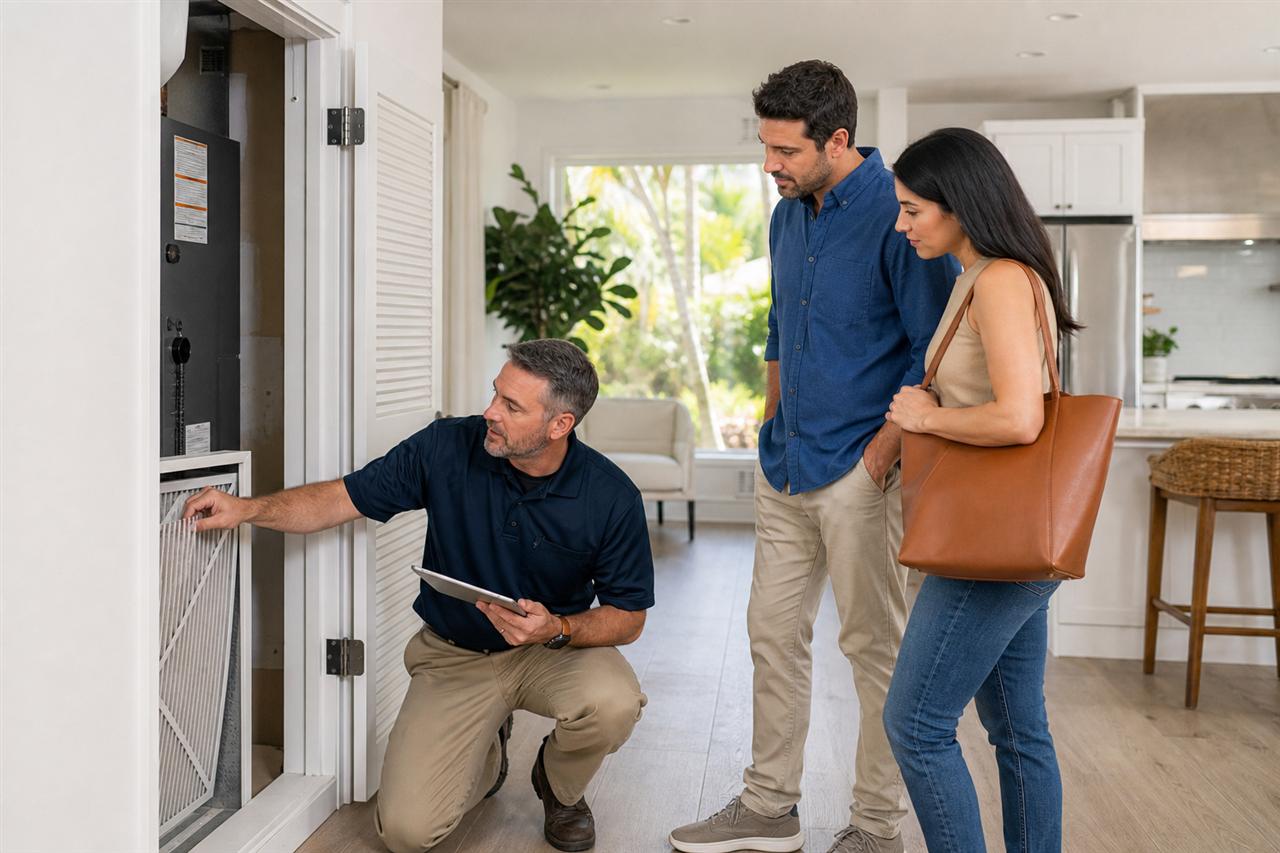
A home inspection report can feel overwhelming, especially when it lists roof age, electrical concerns, plumbing leaks, HVAC issues, moisture stains, pest evidence, or older repairs you did not notice during the showing.
The key is not to panic. The inspection period is when buyers slow down, understand the condition of the property, ask better questions, and decide whether the home still makes sense. In Miami-Dade and Broward, that step matters because heat, humidity, insurance requirements, older additions, roof condition, condo rules, and permitting history can all affect the true cost of ownership.
What the inspection period is really for
The inspection period is the time allowed in the contract for the buyer to inspect the property and decide what to do next. Your exact rights, deadline, and options depend on the contract you signed, so your Realtor and, when needed, an attorney should review your specific situation.
Florida Realtors explains that time periods can be calculated differently depending on the contract form. Under the Florida Realtors/Florida Bar contracts, many time periods are counted in calendar days, but a deadline that falls on a Saturday, Sunday, or national legal holiday may extend to the next qualifying day. Florida Realtors also notes that a buyer using the AS IS Residential Contract for Sale and Purchase generally has a strong cancellation right during the inspection period, in the buyer's sole discretion, with the deposit returned if proper notice is given on time.
That does not mean every buyer should cancel when the report has issues. It means the inspection period should be handled carefully and on time.
Step 1: Read the report by priority, not by page count
Inspection reports are often long because inspectors document a lot of small details. A 70-page report does not automatically mean the house is bad. Start by separating the findings into categories:
Major systems: roof, electrical, plumbing, HVAC, foundation, structure, windows, doors, and drainage.
Safety issues: electrical hazards, missing GFCI protection, unsafe stairs or railings, active leaks, mold-like conditions, broken glass, or anything that creates a risk for occupants.
Insurance and financing concerns: roof age, prior leaks, open permits, unpermitted work, outdated electrical panels, damaged plumbing, or issues the lender or insurance company may question.
Maintenance items: caulking, minor cracks, small repairs, loose hardware, old appliances, worn finishes, and other items that are normal in a lived-in home.
This approach helps buyers avoid treating every item as equal. In many cases, the best negotiation is not about making the home perfect. It is about addressing material issues that affect value, safety, insurability, financing, or immediate livability.
Step 2: Ask for specialist inspections when the report points that way
A general home inspector gives buyers a broad view, but some issues need a specialist. Florida Realtors reminds buyers that a general inspection may not be enough. If the general inspector sees evidence of termites, roof concerns, permit questions, plumbing defects, electrical concerns, structural movement, or moisture problems, the buyer may need a licensed pest professional, roofer, electrician, plumber, HVAC contractor, structural engineer, mold assessor, or permit researcher.
Do this early. If the inspection period is short, waiting several days to call a specialist can leave you with less time to negotiate, request an extension, or cancel if the property no longer makes sense.
Buyers can also verify licenses through the Florida Department of Business and Professional Regulation. That is useful when hiring inspectors or contractors to evaluate high-cost items before a deadline.
Step 3: Check permits, code issues, and property records
In South Florida, a clean-looking renovation is not the same as a properly permitted renovation. If a house has a converted garage, enclosed patio, added bathroom, new roof, impact windows, electrical upgrade, pool work, or major remodeling, buyers should ask whether permits were required and whether they were properly closed.
Miami-Dade County says building permits, plans, Certificates of Occupancy, Certificates of Use, code compliance, product approval, and zoning records can be searched online. The Miami-Dade Clerk also has a Code Enforcement Online System for searching citations.
Broward County provides public-records links for some recorded documents, permit searches, and code enforcement searches. Broward also notes that some code and building searches are limited by jurisdiction, especially in municipalities, so the right city or county office may need to be checked.
This is one reason local guidance matters. A buyer looking at a single-family home in Cutler Bay, Pinecrest, Pembroke Pines, or Davie may be dealing with different municipal processes, property ages, roof histories, and permit records.
Step 4: Decide what you are asking the seller to do
After the inspection, buyers generally consider a few options, depending on the contract and deadline:
Accept the property as-is. This may make sense when the issues are minor, the price already reflects the condition, or the buyer is comfortable handling repairs after closing.
Ask the seller to repair specific items. This can be helpful for safety or system issues, but buyers should be clear about who does the work, what standard applies, whether permits are needed, and whether receipts or warranties will be provided.
Ask for a seller credit or price adjustment. A credit can be cleaner than seller-managed repairs, but it must be reviewed with the lender. Fannie Mae's interested party contribution rules explain that seller and other interested-party contributions are generally used toward costs that are typically the buyer's responsibility, but they cannot be used for the down payment, required reserves, or minimum borrower contribution. Rules and loan programs can change, so the lender should confirm what is allowed before the buyer relies on a credit.
Ask for more time. If a specialist cannot inspect before the deadline, the buyer may request an inspection-period extension. The seller does not have to agree, so this should be requested before time runs out.
Cancel within the deadline if the property no longer works. This should be handled in writing, according to the contract, and before the deadline. Do not rely on a verbal conversation or a text thread when formal notice is required.
Common mistakes buyers should avoid
Waiting too long to schedule inspections. In a busy South Florida market, roofers, electricians, plumbers, and insurance-related inspectors may not be available the same day.
Focusing only on cosmetics. Paint, fixtures, and small repairs are easier to solve than roof age, moisture intrusion, electrical issues, cast iron plumbing, structural concerns, or unpermitted additions.
Asking for everything. A long repair demand can weaken the negotiation. A focused request tied to material issues usually works better.
Ignoring insurance and financing. A repair item may seem negotiable until the insurance company or lender will not move forward without documentation, repair, or clarification.
Missing the deadline. Inspection rights are deadline-driven. Once a deadline passes, the buyer may have fewer options, depending on the contract.
Assuming the seller must fix everything. In many cases, especially with as-is contracts, the seller may say no. The buyer's leverage often comes from the ability to accept, negotiate, or cancel within the allowed period.
Why this matters in Miami-Dade and Broward
South Florida homes deal with conditions that buyers in other markets may not think about as much: hurricane exposure, high humidity, roof age, A/C workload, drainage, termites, older plumbing, aluminum wiring in some older properties, aging condo buildings, and insurance review. A minor-looking issue can become expensive if it affects coverage, financing, permits, or future resale.
The goal is not to scare buyers away from a good home. The goal is to make sure the buyer understands what they are buying before the inspection period expires.
What William Gartin recommends
William Gartin recommends treating the inspection period like a decision window, not just a report window. Order the general inspection quickly, read the summary the same day, identify the expensive or deadline-sensitive issues, bring in specialists when needed, check permits and code records when the property history raises questions, and confirm any seller credit with the lender before relying on it.
If financing questions come up during the inspection negotiation, William can connect buyers with phenomenal lenders, including Joel Gonzalez with MOR Lending, so buyers can understand how repair credits, lender conditions, insurance requirements, and closing costs may affect the loan. A licensed lender should review the buyer's specific file, loan type, and property details.
If you are buying in Miami-Dade, Broward, or anywhere in South Florida, you do not have to sort through the inspection period alone.
William Gartin Real Estate
eXp Realty
305-842-6097
williamgartinrealestate.com
Facebook: https://www.facebook.com/williamgartinre
Buyer questionnaire: https://hul1lsz36ih.typeform.com/to/xmGciMYj
Sources and helpful links
Florida Realtors - Florida real estate contract laws and time periods
Florida Realtors - When a Property General Inspection Isn't Enough
Florida DBPR - How to Verify a License
CFPB - Closing on your new home
Miami-Dade County - Public Records for Building Plans and Permits
Miami-Dade Clerk - Code Enforcement Online System
Broward County - Public Records Requests and online property search links
Categories
Recent Posts