Aging-Friendly Home Upgrades Miami Homeowners Can Make for Safer, Easier Living
Reviewed July 22, 2026. Aging-friendly design does not have to make a home feel medical, plain, or older than it is. The best upgrades make everyday life easier for everyone: parents carrying groceries, grandparents visiting for the weekend, homeowners recovering from an injury, and buyers who want a comfortable South Florida home that can adapt over time.
For Miami homeowners, these improvements are especially practical. Tile floors, outdoor living areas, rainy-season entries, pool patios, bright sun, and multi-generational households all shape how a home functions. A few thoughtful updates can improve safety, comfort, style, and long-term property value without requiring a full renovation.
If you own a home in Miami-Dade or Broward, think of aging-friendly upgrades as a quality-of-life investment. They can help your home live better today while making it more appealing to future buyers who want flexibility, lower maintenance, and smart design.
Start With Clear Pathways and Better Lighting
The easiest aging-friendly upgrades are often the simplest. Walk through the home during the day and again at night. Look for tight furniture layouts, loose rugs, dim hallway corners, uneven thresholds, and cluttered walkways between bedrooms, bathrooms, kitchens, patios, and garages.
Good lighting matters because many household falls happen during ordinary routines. Add brighter LED bulbs, motion-sensor night lights in hallways and bathrooms, under-cabinet lighting in the kitchen, and layered lighting near stairs or step-down living areas. In South Florida homes with large sliders and covered patios, check the transition from inside to outside. A small lip at a doorway can be easy to miss when people are carrying trays, towels, luggage, or groceries.
For homeowners preparing to sell later, clean pathways and strong lighting also improve presentation. A home feels larger, brighter, and easier to navigate during showings, especially in single-family neighborhoods such as Pinecrest, Palmetto Bay, and Cutler Bay.
Make Bathrooms Safer Without Making Them Look Clinical
Bathrooms deserve special attention because water, tile, steam, and tight spaces can create avoidable risk. The goal is not to turn a beautiful Miami bathroom into a medical space. The goal is to blend safety into the design.
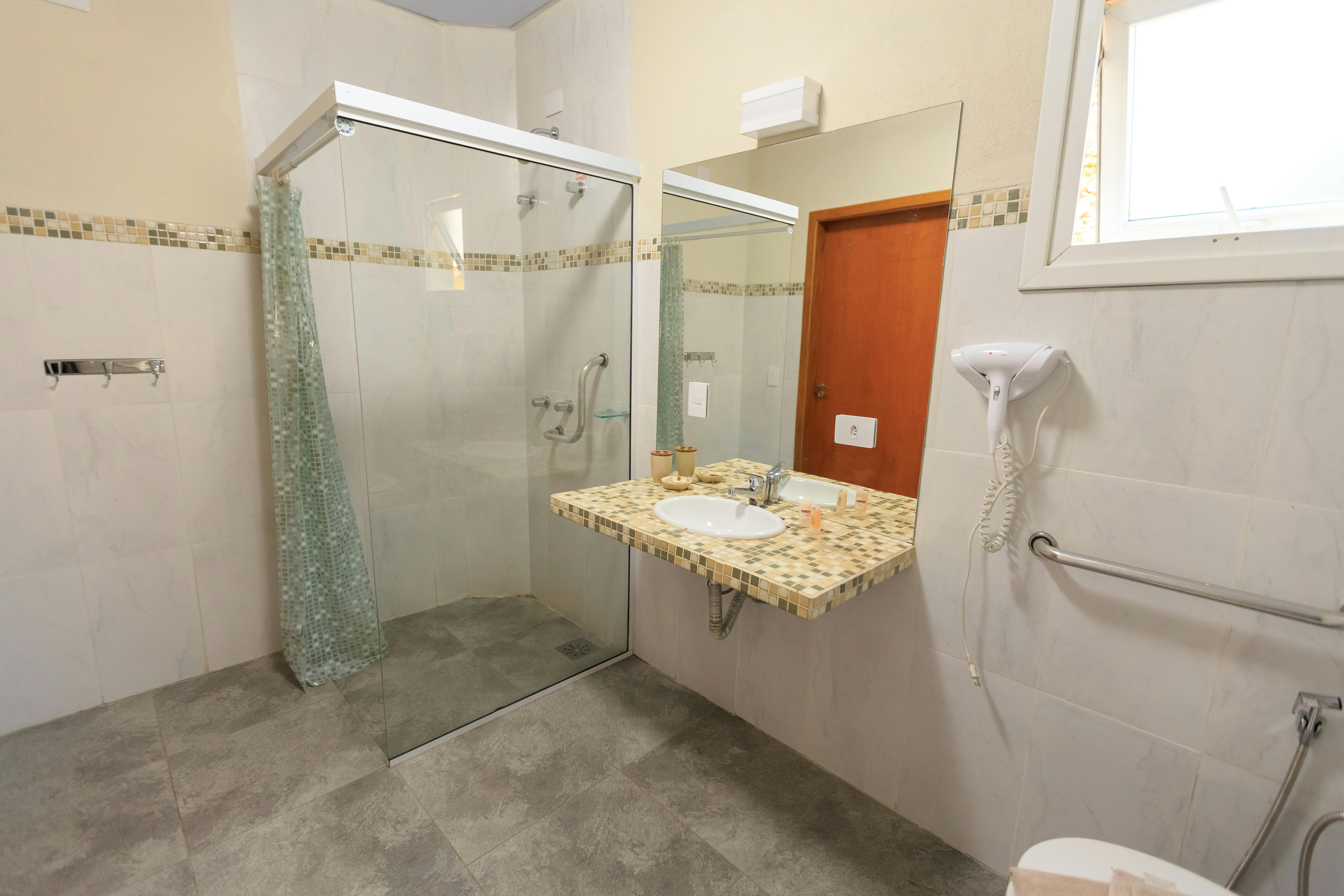
Consider installing grab bars that match the plumbing finish, such as brushed nickel, matte black, chrome, or brass. Many modern grab bars look like towel bars but are designed to support weight when properly anchored. Add a handheld showerhead, a shower bench if space allows, and slip-resistant flooring or mats that do not bunch up. If a future renovation is already planned, ask about a wider shower opening, a low-threshold or curbless shower, and a comfort-height toilet.
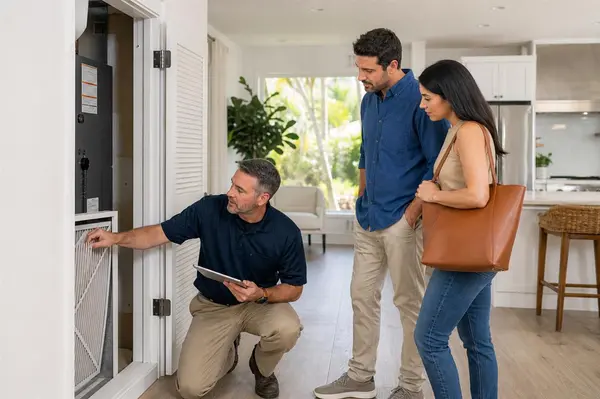
Humidity control is part of bathroom safety too. A fan that vents properly, a clean A/C return, and good airflow can help reduce moisture buildup. The Florida Department of Health notes that controlling moisture is central to controlling mold, which matters in Miami homes where bathrooms, closets, and laundry areas can stay humid for long stretches.
Improve Entries, Patios, and Outdoor Transitions
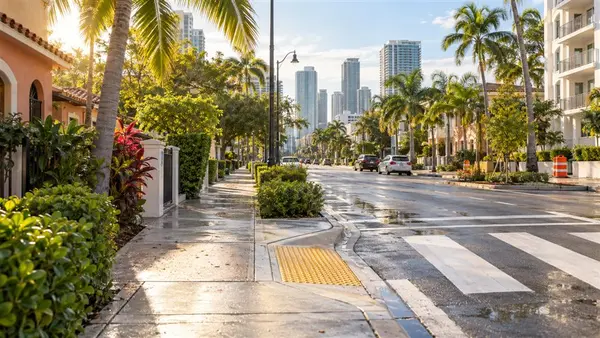
South Florida homes are built around indoor-outdoor living, but entries and patios can become slippery after rain, irrigation, pool use, or beach days. Look at the front entry, garage entry, side yard, patio doors, pool deck, and any path from the driveway to the main living area.
Helpful upgrades include a covered entry, slip-resistant outdoor tile or pavers, sturdy handrails where there are steps, brighter porch lighting, a level landing at the front door, and a place to set packages while unlocking the door. For waterfront homes, patio and dock-area transitions should be especially easy to see and navigate after dark.
These details also influence curb appeal. Buyers may not use the phrase aging in place, but they do notice whether a home feels easy, safe, and practical. That can matter in lifestyle-driven searches for waterfront homes, luxury homes, and established neighborhoods like Coral Gables.
Choose Hardware and Storage That Work for Everyone
Small hardware changes can make daily life feel easier without a big budget. Lever door handles are easier to use than round knobs. D-shaped cabinet pulls are easier to grip than tiny round knobs. Pull-out shelves, deep drawers, lazy Susans, and adjustable pantry shelves make kitchens and closets more functional for people of different heights and abilities.
In the kitchen, think about the items used most often. Everyday dishes, coffee supplies, pet food, medication, cleaning products, and heavy cookware should not require repeated bending, climbing, or reaching over shoulder height. In the laundry area, place detergent and supplies where they can be reached without stretching over machines.
This is one reason universal design is not only for older homeowners. A well-organized home helps busy families, professionals, guests, and future buyers. It can also make smaller homes feel more efficient because storage works harder.
Add Smart Features That Support Independence
Smart-home features can support comfort and independence when they are chosen thoughtfully. Good options include smart locks, video doorbells, motion lighting, programmable thermostats, voice-controlled lamps, and simple water shutoff reminders. The key is to keep the system easy to use. A complicated setup that only one person understands can become frustrating.
For Miami and South Florida homeowners, smart thermostats and lighting can be useful during summer heat, travel, and storm-season routines. If you are considering larger upgrades, ask whether the system will be easy for a future buyer to inherit and operate.
Think About One-Level Living, Even in a Two-Story Home
Many South Florida homes have bedrooms upstairs, raised entries, sunken living rooms, or split-level transitions. If your home is two stories, think about how someone could live comfortably on the main level for a few weeks if needed. Is there a full bathroom downstairs? Could an office, den, or guest room function as a temporary bedroom? Is there space for a comfortable chair, storage, and privacy?
You do not need to remodel immediately to make progress. Keep one main-level area flexible, well lit, and easy to reach from a bathroom. That flexibility can help with visiting relatives, recovery after surgery, long-term guests, or future owners with different needs.
Use Aging-Friendly Upgrades to Protect Long-Term Home Value
From a real estate perspective, the best aging-friendly improvements are the ones that make a home feel more comfortable and more broadly usable. Better lighting, safer bathrooms, strong entries, easy storage, and flexible room layouts are not niche features. They are everyday advantages.
They can also help a home compete with newer construction. Many buyers like the charm, lot size, and location of established Miami homes, but they still want the ease of newer design. Thoughtful updates can narrow that gap without sacrificing character. If you are comparing an older home with new construction, these are exactly the details that affect daily living.
Before starting expensive work, prioritize improvements that solve real problems. A grab bar in the right spot, a brighter hallway, or an easier entry can be more valuable than a decorative feature that does not improve daily life.
A Simple Room-by-Room Checklist
Entry: Add lighting, reduce thresholds, improve traction, and create a place to set bags or packages.
Bathroom: Add stylish grab bars, improve ventilation, choose slip-resistant surfaces, and consider a handheld showerhead.
Kitchen: Use pull-out shelves, easy-grip hardware, task lighting, and reachable storage for daily items.
Bedroom: Keep a clear path around the bed, add easy lamp controls, and avoid loose rugs near the doorway.
Outdoor areas: Check patio surfaces, handrails, pool-deck traction, and lighting near steps or sliders.
Whole home: Review lighting, door hardware, clutter zones, smoke and carbon monoxide alarms, and smart-home features that simplify routines.
When to Bring in a Professional
Some upgrades are simple, but others should be handled by licensed professionals. Grab bars need proper backing or anchors. Electrical lighting should be installed safely. Bathroom renovations may involve plumbing, waterproofing, permits, or condo association rules. Outdoor surfaces may need proper drainage, especially in low-lying areas or near pools.
If you are planning upgrades partly because you may sell in the next few years, get real estate input before spending heavily. The right improvements can support comfort and resale value. The wrong improvements can cost more than they return.
Thinking About Your Miami Home's Future?
Aging-friendly design is really future-friendly design. It helps your home work better for daily life, visiting family, long-term ownership, and future buyers. Whether you are improving a forever home, preparing a property for sale, or deciding which upgrades deserve your budget, the smartest plan starts with how people actually live in the space.
If you are thinking about buying, selling, improving, or understanding the value of your home, contact William Gartin with eXp Realty. William helps Miami and South Florida homeowners understand their property value, make smart real estate decisions, and plan for the future.
William Gartin with eXp Realty
305-842-6097
williamgartinrealestate.com
Sources and Helpful References
Centers for Disease Control and Prevention: Older Adult Fall Prevention
National Institute on Aging: Aging in Place: Growing Older at Home
AARP: HomeFit Guide
Florida Department of Health: Mold and Moisture Guidance
Categories
Recent Posts