Small Water Leak Checks Miami Homeowners Should Do Before Summer Travel
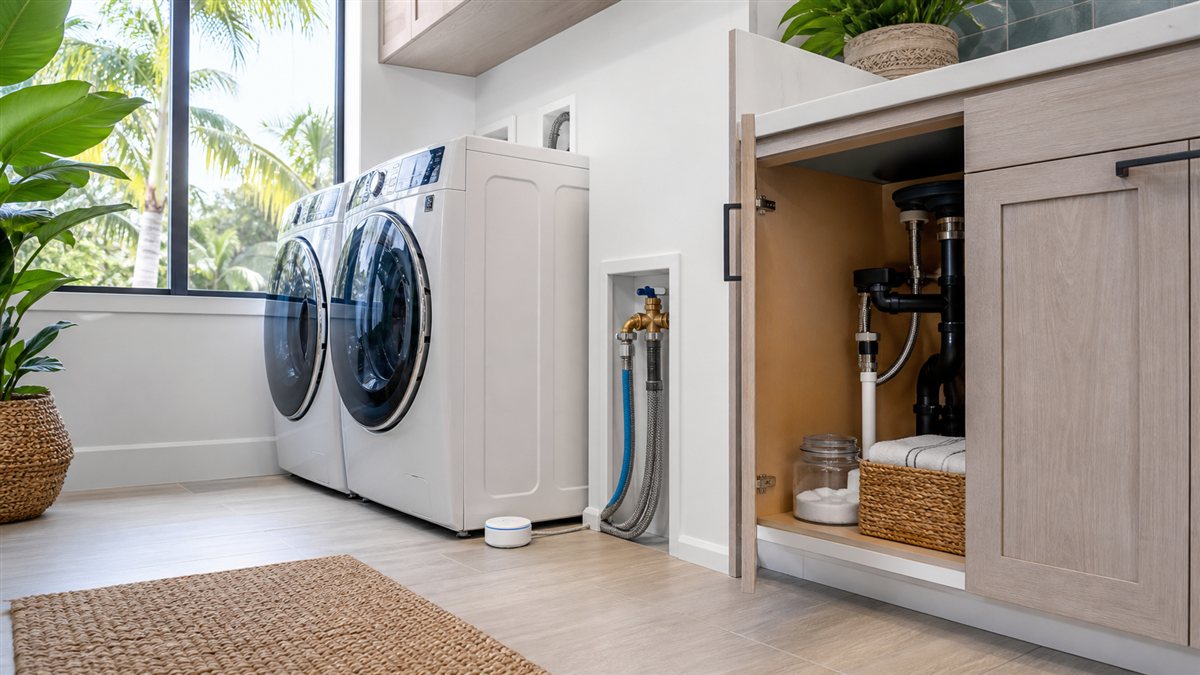 Summer travel season is exciting, but it can also expose one of the most frustrating homeowner problems: a small leak that keeps running while nobody is home. In Miami and South Florida, water problems can become expensive quickly because heat and humidity make moisture harder to ignore. A slow toilet leak can raise a water bill. A loose washing machine hose can damage flooring. A clogged AC drain line can create stains, odors, or moisture issues while the house is closed up.
The good news is that many water problems begin with small warning signs. Before leaving for a trip, Miami homeowners can do a simple walk-through that takes less than an hour and may prevent a costly repair. This is not about replacing a plumber or home inspector. It is about knowing where small leaks usually start, what to look for, and when to call a professional before a minor issue turns into a bigger one.
Here is a practical pre-travel water leak checklist for South Florida homeowners who want to protect comfort, property value, and peace of mind.
Start with the water meter
If you suspect a hidden leak, your water meter can give you an important clue. Miami-Dade Water and Sewer Department offers leak detection guidance that encourages homeowners to check whether water is moving through the meter when fixtures are off. Before a trip, make sure all faucets, showers, toilets, irrigation zones, appliances, and outdoor spigots are not actively using water. Then look at the meter or leak indicator.
If the meter still shows movement, you may have a leak somewhere in the system. It could be something simple, such as a running toilet, or something that needs a licensed plumber. Either way, it is better to investigate before leaving town.
Check toilets for silent leaks
Toilets are one of the most common sources of hidden water waste. EPA WaterSense guidance often points homeowners toward toilet flappers, fill valves, and running toilets because these leaks can be easy to miss. A toilet may not sound dramatic, but a slow internal leak can keep water moving all day.
Before traveling, check each toilet in the home:
- Listen for water running after the tank has refilled.
- Look for ripples in the bowl when nobody has flushed.
- Make sure the handle is not sticking.
- Check that the flapper seals cleanly after each flush.
- Use a dye test if you suspect water is leaking from the tank into the bowl.
If a toilet is already acting up, do not leave it for later. A basic repair may be inexpensive, but the wasted water and surprise bill can be aggravating.
Open every sink cabinet
Under-sink leaks are easy to ignore because the doors stay closed. Before a summer trip, open the cabinets under bathroom sinks, kitchen sinks, wet bars, and laundry sinks. Use a flashlight if needed.
Look for:
- Water stains on the cabinet floor
- Swollen wood or peeling cabinet material
- Drips around supply lines or shutoff valves
- Loose drain connections
- Musty smells or damp stored items
In South Florida, moisture can linger. A cabinet that smells musty or feels damp deserves attention, especially if the home will be closed up while you are away.
Inspect washing machine hoses
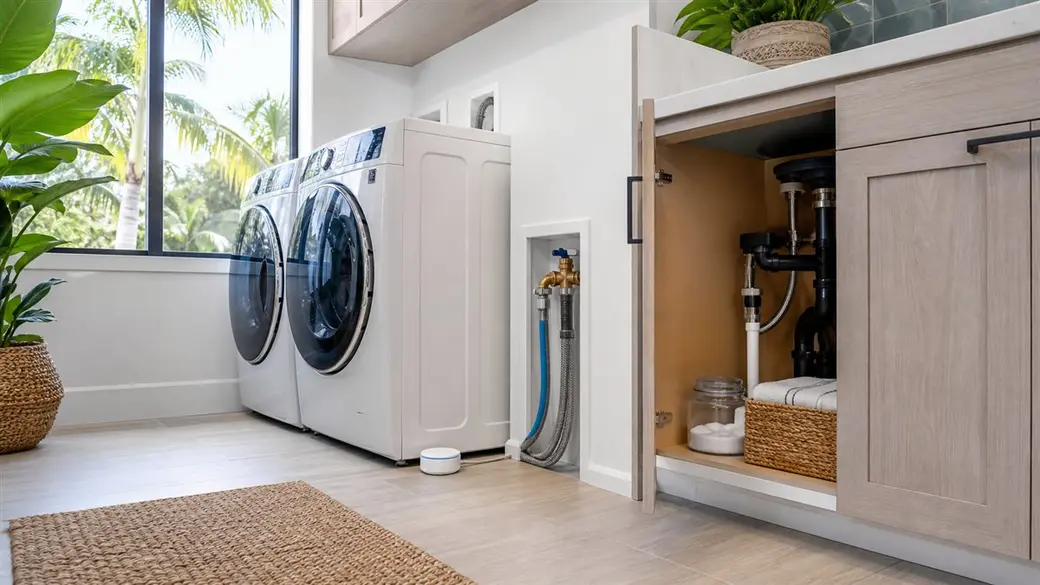
The laundry room is one of the most important places to check before leaving home. Washing machine hoses sit under pressure, and older rubber hoses can crack, bulge, or loosen over time. Even a small leak near the laundry area can damage flooring, baseboards, drywall, or nearby cabinets.
Look behind the washer if it is safe to move or inspect. Check for wet spots, corrosion, bulging hoses, loose connections, or stains on the wall. If the hoses are old, consider replacing them with braided stainless steel hoses and make sure the shutoff valves work.
For extra protection, many homeowners add a smart water leak detector near the washing machine. These small sensors can send an alert if water reaches the floor. In a Miami home where a leak can sit unnoticed in humid air, early warning is valuable.
Look at the water heater area
Water heaters do not last forever, and they often give warning signs before a larger problem. Check the area around the water heater for moisture, rust, staining, or dripping. If your water heater sits in a garage, closet, laundry room, or interior utility area, make sure the drain pan is clear and positioned correctly.
Call a professional if you notice active leaking, corrosion, strange noises, or inconsistent hot water. Water heater problems are not a good “deal with it after vacation” item.
Do not forget the refrigerator and dishwasher
Kitchen appliances with water lines can create quiet leaks. If your refrigerator has an ice maker or water dispenser, inspect the floor nearby and check behind the appliance if accessible. Look for warping, water marks, or a faint mildew smell.
For the dishwasher, look under the front edge and inside nearby sink cabinets. A loose connection, worn seal, or drain issue can show up as moisture around the base or inside the cabinet next to the dishwasher.
Check irrigation before you leave
Outdoor leaks matter too. Miami-Dade homes often rely on irrigation to keep landscaping presentable, but a broken sprinkler head, cracked line, or overspray problem can waste water and create slippery surfaces. South Florida water conservation guidance also matters because water use affects the broader region, not just one property.
Run each irrigation zone briefly and look for obvious issues:
- Water spraying onto the driveway, patio, walls, or street
- Broken sprinkler heads
- Areas that stay soggy after the system turns off
- Pooling near the foundation
- Drip lines that have popped loose
If you are leaving for more than a few days, review your controller schedule and make sure it follows current watering rules. A well-maintained irrigation system helps landscaping look cared for without creating water waste or moisture problems.
Pay attention to the AC drain line
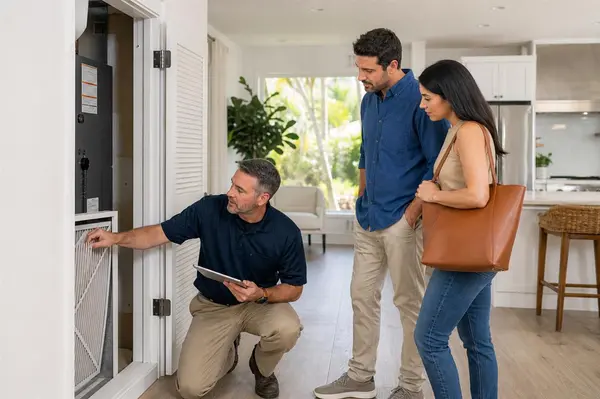
In South Florida, air conditioning is part of moisture control. A clogged condensate drain line can cause water to back up, especially during hot and humid weather when the system runs often. Before traveling, check the area around the indoor air handler for water stains, wet flooring, or algae buildup near the drain line.
If you have had AC drain issues before, schedule service before leaving town. This is especially important for condos, townhomes, and homes where the air handler is located in a closet or interior hallway.
Add leak sensors in high-risk spots
Smart water leak detectors are a simple upgrade for many Miami homeowners. They are especially useful in homes that sit vacant during travel, seasonal properties, rentals, and larger homes where a leak may not be noticed right away.
Good places for sensors include:
- Behind the washing machine
- Under kitchen and bathroom sinks
- Near the water heater
- Beside the refrigerator water line
- Near the AC air handler or condensate drain area
- In utility closets or storage rooms with plumbing
Some systems only alert you when water is detected. Others connect to automatic shutoff valves. The right choice depends on the home, budget, and how often you travel.
Know when to shut water off
For longer trips, ask a licensed plumber whether shutting off the main water supply is appropriate for your home. This is not always as simple as turning a valve, especially if irrigation, fire sprinklers, water treatment equipment, or certain appliances are involved. But for some homes, shutting water off can reduce risk while the property is empty.
At minimum, know where your main shutoff valve is located and make sure it works. In an emergency, that knowledge can save time and limit damage.
Why this matters for home value
Water damage is one of those issues buyers notice quickly. Stained cabinets, warped floors, musty smells, soft drywall, and poorly maintained utility areas can make a home feel neglected even when the rest of the property looks beautiful.
This is especially true for waterfront homes, luxury properties, and updated South Florida homes where buyers expect systems and finishes to be well cared for. It also matters for everyday homeowners who simply want to avoid preventable repairs.
A clean, dry, well-maintained home sends a strong message. It shows that the owner pays attention to the details, and those details can support confidence when it is time to sell.
Final thoughts
Before your next summer trip, walk through the house with water in mind. Check toilets, sinks, laundry hoses, the water heater, appliances, irrigation, and the AC drain area. Add leak sensors where they make sense. Confirm shutoff valves are accessible. If something looks suspicious, handle it before you leave.
Small maintenance habits can protect your home, reduce stress, and preserve property value. In Miami and South Florida, where humidity can make water problems worse, a little attention before travel can go a long way.
Thinking about buying, selling, improving, or understanding the value of your South Florida home? Contact William Gartin with eXp Realty. William helps Miami and South Florida homeowners make smart real estate decisions, understand property value, and plan improvements that support both lifestyle and long-term goals.
William Gartin with eXp Realty
305-842-6097
williamgartinrealestate.com
Categories
Recent Posts