Water-Smart Landscaping Ideas for Miami Homes That Save Water and Boost Curb Appeal
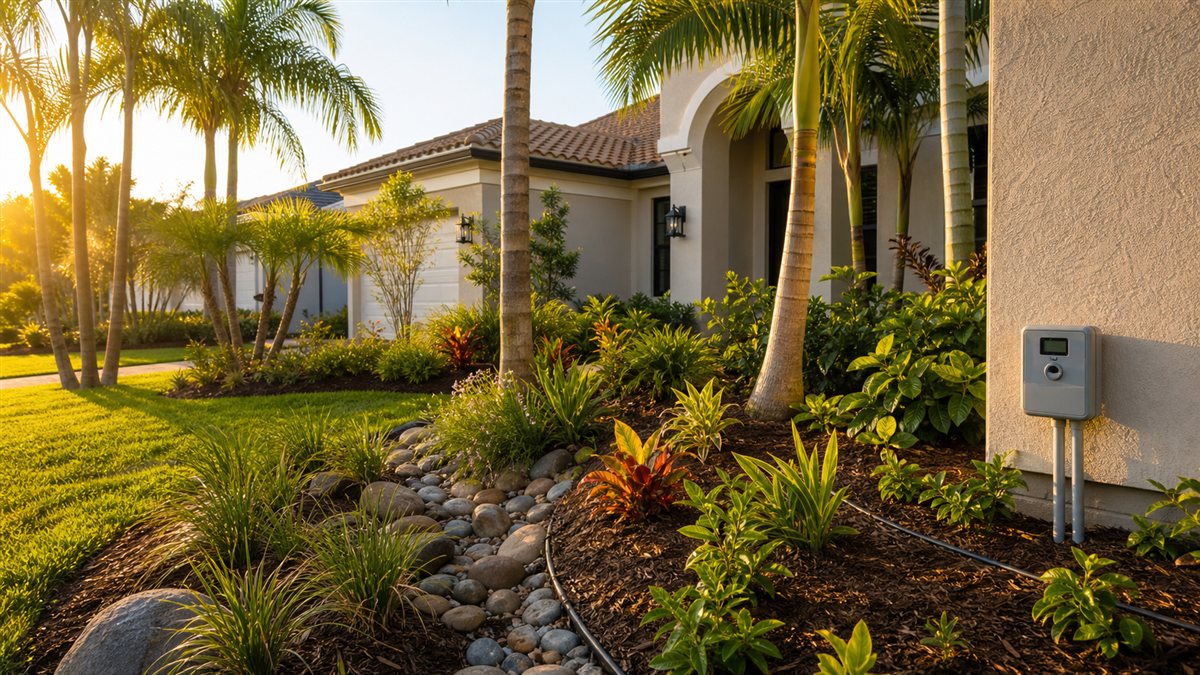
A great Miami yard has to do more than look good from the street. It has to handle strong sun, sudden rain, sandy soil, summer heat, watering restrictions, and the everyday reality of South Florida homeownership. The best landscaping choices can make your home feel more polished, reduce wasted water, simplify maintenance, and even help buyers see the property as better cared for when it is time to sell.
Water-smart landscaping is not the same as having a dry, bare, or boring yard. In Miami-Dade and Broward, it can mean layered tropical planting, healthier turf where turf actually makes sense, mulch beds that hold moisture, irrigation that responds to weather, and better drainage around patios, walkways, and foundations. For homeowners who want stronger curb appeal without creating a high-maintenance yard, this is one of the most practical upgrades to consider.
Start With How Your Yard Actually Uses Water
Before buying plants or replacing sprinklers, walk your property after the irrigation runs. Look for water hitting the driveway, sidewalk, street, fence, side of the house, or the same already-wet patch of lawn. Those small issues can quietly waste water every week and may also contribute to mildew, staining, slippery walkways, or soggy areas near the home.
Miami-Dade County observes year-round outdoor watering restrictions, and homeowners should always check the current county or municipal schedule before changing irrigation habits. In general, watering is meant to happen during cooler parts of the day, not in the middle of the afternoon when evaporation is high. A water-smart landscape starts by using the water you are already paying for more carefully.
Check these common waste points first:
- Sprinkler heads that spray pavement instead of plants
- Broken risers, misting heads, or uneven pressure
- Zones that water sun-loving turf and shaded beds the same way
- Low spots that stay wet long after the rest of the yard dries
- Irrigation timers that keep running during rainy weeks
Use Florida-Friendly Plants Where They Fit Best
One of the strongest ideas from the University of Florida's Florida-Friendly Landscaping program is simple: right plant, right place. A plant that matches the amount of sun, shade, salt exposure, soil moisture, and space in your yard will usually need less rescue watering, less fertilizer, and less constant trimming.
For Miami homeowners, that can mean using durable tropical and subtropical plants near entries, patios, and property lines while keeping thirsty or delicate plants out of the hottest, driest spots. It can also mean reducing turf in areas where grass struggles, such as narrow side yards, deep shade, or sloped patches that send water into the street.
Good landscaping should make the home feel intentional. A front yard with layered planting, clean bed edges, healthy groundcover, and a defined walkway can feel more expensive than a large lawn that is patchy, overwatered, or hard to maintain.
Keep Lawn Where It Adds Value
Lawn still has a place in many South Florida homes. Families may want play space, pet space, or an open green area that frames the house. The water-smart move is not always to remove every square foot of grass. It is to keep lawn where it is useful and reduce it where it is mostly decorative or difficult to keep healthy.
For example, a clean front lawn section can work well when paired with plant beds around the entry, palms, native or adapted shrubs, and mulch. In a backyard, turf may make sense in the center while perimeter beds soften the fence line and reduce the amount of irrigated grass. In neighborhoods such as Palmetto Bay, Pinecrest, and Coral Gables, where mature landscaping often shapes the entire first impression, balance matters more than extremes.
Upgrade the Irrigation Controller Before Replacing the Whole Yard
If your irrigation system still runs from a basic clock timer, a smart or weather-based controller may be one of the most useful upgrades. EPA WaterSense notes that labeled irrigation controllers can reduce overwatering by applying water only when plants need it. These controllers can use local weather information, rainfall, temperature, and site conditions to adjust watering instead of following the same schedule every week.
That matters in Miami because weather can shift quickly. A yard may need supplemental water during a dry spell and then need very little after several rainy afternoons. A controller that adjusts automatically can help avoid the classic South Florida problem of sprinklers running during or right after a storm.
For best results, pair the controller with a basic irrigation tune-up. Ask an irrigation professional to check coverage, pressure, rain sensors, clogged heads, broken lines, and zone timing. Technology helps most when the underlying system is working properly.
Use Mulch to Make Beds Look Finished and Hold Moisture
Mulch is one of the simplest curb appeal upgrades because it gives planting beds a clean, finished look while helping soil retain moisture. It also helps reduce weeds, which means less competition for water and nutrients.
Keep mulch several inches away from tree trunks and the base of the house so it does not trap moisture where you do not want it. Refresh it before the rainy season or before listing a home, especially around the front entry, mailbox, driveway, and patio edges. A neat mulch bed can make even modest landscaping feel cared for.
Create Hydrozones Instead of Watering Everything the Same Way
Hydrozoning means grouping plants with similar water needs together. This is especially useful in South Florida, where one yard can include full sun, deep shade, wet low spots, dry sandy areas, and salt or wind exposure depending on the lot.
When plants with very different needs share the same irrigation zone, one group is usually unhappy. The dry-loving plants may get too much water, while thirstier plants may still look stressed. Better grouping helps each section of the landscape get a more appropriate amount of water.
A simple example is to keep turf on one irrigation zone, foundation shrubs on another, and patio containers or delicate accent plants on drip irrigation or hand watering. This makes the yard easier to manage and more resilient when local watering rules, drought conditions, or rainy weeks affect your normal schedule.
Think About Drainage, Not Just Irrigation
Water-smart landscaping is not only about saving water. It is also about moving excess water away from places where it can cause problems. In Miami, heavy rain can expose grading issues, clogged drains, low patio areas, and poorly placed beds that hold water against walls or walkways.
Look for areas where water regularly pools after a storm. Depending on the property, the solution may be as simple as cleaning a drain, extending a downspout, adjusting a bed edge, adding river rock in a drainage area, or using plants that tolerate wetter conditions. Larger issues may require a licensed drainage or landscape professional.
For waterfront homes or properties near canals, lakes, or low-lying areas, runoff deserves extra attention. Fertilizer, grass clippings, and yard debris can move into waterways during storms, so responsible maintenance is part of protecting both the property and the surrounding neighborhood environment.
Add Curb Appeal Where Buyers Notice First
If you are improving landscaping with future resale in mind, focus first on the areas buyers see immediately: the driveway, walkway, front door, porch, and main view of the home from the street. You do not need the most expensive plants to create a strong impression. You need order, health, proportion, and maintenance.
Useful upgrades include:
- Defining the walkway with low planting or lighting
- Replacing struggling plants near the front entry
- Adding mulch and clean bed edges
- Using containers near the door for color that can be changed seasonally
- Pruning overgrown shrubs so windows and architectural details are visible
- Repairing irrigation issues that create brown patches or soggy corners
For homeowners in communities such as Doral, Kendall, Cutler Bay, and Weston, a tidy, well-planned yard can support the overall feel of the home before a buyer ever steps inside.
Make the Yard Easier to Maintain
The best landscaping plan is one you can realistically maintain. A yard that requires constant watering, trimming, replacement planting, and pest rescue can become expensive quickly. A water-smart yard should feel easier over time, not like another job.
Choose plants that will fit the space when mature. Avoid placing large shrubs where they will need constant cutting to stay below windows. Keep access clear around hose bibs, meters, gates, pool equipment, and AC units. Use durable edging where grass tends to creep into beds. If you travel often or only use the home seasonally, prioritize simple, durable planting over delicate displays.
The Real Estate Benefit of Smarter Landscaping
Landscaping affects more than curb appeal. It can influence how maintained a home feels, how comfortable outdoor spaces are, how well the property handles rain, and how confident a buyer feels about ongoing costs. A buyer may not know every plant name, but they can usually tell when a yard feels healthy, organized, and manageable.
For Miami and South Florida homeowners, water-smart landscaping can be a practical middle ground: more attractive than a neglected lawn, more sustainable than overwatering, and more livable than a yard that only looks good for a few weeks after installation.
If you are thinking about improving, buying, or selling a home, it helps to look at landscaping through both a lifestyle and property value lens. William Gartin with eXp Realty helps Miami and South Florida homeowners understand which improvements may support daily comfort, curb appeal, and long-term real estate goals.
William Gartin with eXp Realty
305-842-6097
williamgartinrealestate.com
Sources
Categories
Recent Posts