Freedom Tower History: How Cuban Immigration Shaped Downtown Miami Real Estate
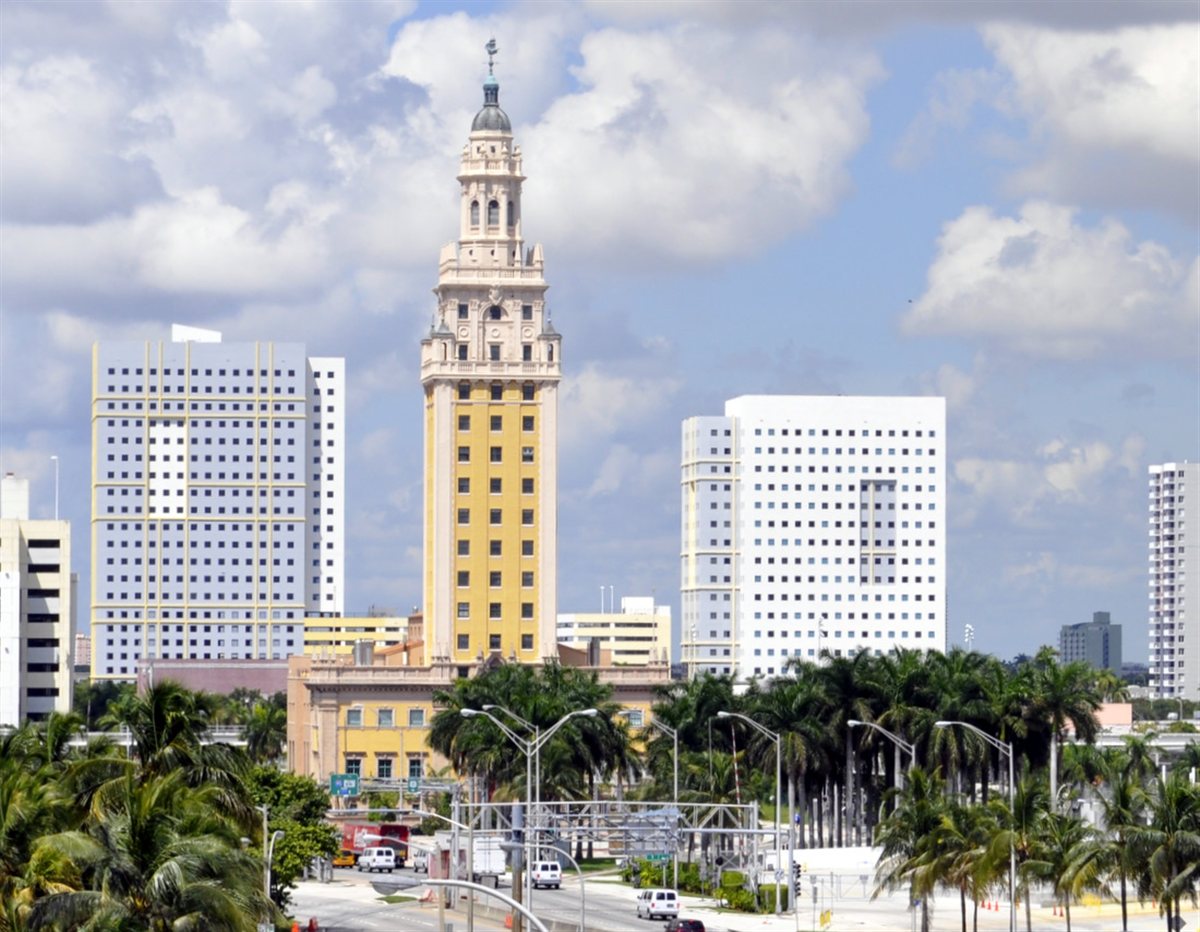
Image credit: Tom Schaefer, aka Miamitom, via Wikimedia Commons, licensed under CC BY 3.0. Freedom Tower image source: Wikimedia Commons.
Some Miami buildings are easy to admire from a distance. Freedom Tower asks for more than a glance. Standing at 600 Biscayne Boulevard, it is one of the most recognizable historic places in Miami, but its real importance is not just architectural. The building helps explain how Miami grew from a young coastal city into an international gateway, a Cuban American capital, and one of the most watched real estate markets in the country.
For buyers, sellers, homeowners, and investors, understanding this history matters. Miami real estate is not only shaped by square footage, views, amenities, and interest rates. It is shaped by migration, culture, preservation, transportation, architecture, and the stories that make one neighborhood feel different from the next. Freedom Tower brings all of those forces together in one landmark.
Why This Part of Miami History Still Matters
Freedom Tower is often called the "Ellis Island of the South" because of its role from 1962 through 1974 as the Cuban Assistance Center. The National Park Service identifies the building as a National Historic Landmark associated with Cuban migration to the United States, and Miami Dade College describes it as a place where hundreds of thousands of Cubans sought help while starting over in America.
That history is deeply personal for many Miami families. It is also central to the city's growth. The Cuban exile community helped transform Miami's economy, politics, food, language, entrepreneurship, arts, and neighborhood identity. From Little Havana to Westchester, Hialeah, Coral Gables, Kendall, Doral, and Downtown Miami, the influence of Cuban immigration can still be felt in the way people live, work, open businesses, buy homes, and build community.
When people talk about the history of Miami Florida, Freedom Tower belongs near the center of the conversation because it shows how a building can become more than real estate. It can become a civic memory.
The Historical Background
Freedom Tower opened on July 26, 1925, during Miami's early boom years. It was originally built as the headquarters of The Miami Daily News and Metropolis, later known as The Miami News. According to the National Park Service, construction began in 1924 after James M. Cox purchased the newspaper during a period of rapid Florida growth. Miami Dade College's Museum of Art and Design notes that Cox hired the New York architectural firm Schultze and Weaver, a firm also associated with major luxury and resort landmarks.
The design was inspired by the Giralda bell tower in Seville, Spain, with Mediterranean Revival, Moorish, Spanish, and Italian Baroque influences. That matters because architecture was part of Miami's sales pitch in the 1920s. The city was not just building offices and hotels. It was creating an image: tropical, ambitious, elegant, and different from older American cities.
At 17 stories and more than 82,000 square feet, the tower was an extraordinary achievement for Miami at the time. It gave the young city a vertical landmark near Biscayne Bay, the Port of Miami, and the Florida East Coast Railway terminus. In other words, Freedom Tower rose at a place where media, transportation, commerce, waterfront growth, and civic ambition met.
Key People, Places, and Events
The first chapter of Freedom Tower is tied to James M. Cox, The Miami News, and Schultze and Weaver. The building represented confidence in Miami's future. But its second chapter is the one that made it sacred to so many families.
After The Miami News moved out in 1957, the building sat largely unused until the federal government leased space in 1962 for the Cuban Assistance Center. The National Park Service explains that the center provided services such as health care, housing assistance, financial help, and education resources to Cuban refugees fleeing Fidel Castro's regime during the Cold War. Many Cuban exiles knew the building as "El Refugio," meaning "The Refuge."
Miami Dade College states that the building served as the Cuban Refugee Center from 1962 to 1974. MDC's 2025 reopening announcement notes that approximately 400,000 refugees received support there during the 1960s and 1970s, while the National Park Service places the broader Cuban refugee movement from 1959 to 1974 at an estimated 650,000 people entering the United States.
Those numbers help explain why Freedom Tower is not simply one of many Miami historical landmarks. It is a physical record of a population shift that changed Miami's language, neighborhoods, business culture, and long-term real estate demand.
Historic Places You Can Still Visit Today
Freedom Tower remains at 600 Biscayne Boulevard in Downtown Miami. Miami Dade College became the building's steward in 2005, and the tower was designated a National Historic Landmark in 2008. MDC's Museum of Art and Design explains that the building now connects its newspaper history, Cuban Refugee Center history, cultural exhibitions, MDC Special Collections, and the Exile Experience.
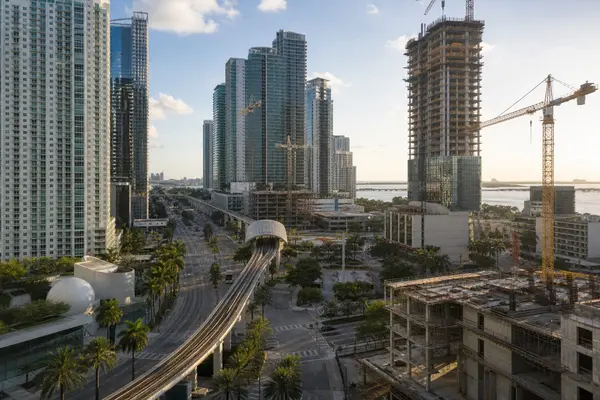
The landmark's location also says a lot about modern Miami. Freedom Tower stands near major civic, cultural, and entertainment destinations, including the Kaseya Center, Bayfront Park, Museum Park, the Arsht Center area, the Metromover system, and the Biscayne Boulevard corridor. It sits in a part of Downtown where historic architecture now shares the skyline with condo towers, hotels, office buildings, and cultural institutions.
That contrast is part of what makes Miami so interesting. A buyer can look at a luxury condo tower, a preserved landmark, a waterfront park, and a cultural venue within a few blocks of one another. For anyone considering waterfront homes and Miami coastal living, or comparing Downtown and Brickell lifestyles with other Miami-Dade neighborhoods, the history around Biscayne Boulevard adds depth to the decision.
How This History Shaped Miami's Neighborhoods
The story of Freedom Tower is also the story of how Miami's neighborhoods became more layered. Cuban immigration did not only add population. It added businesses, churches, restaurants, media, political organizations, schools, civic leadership, and family networks.
Little Havana became one of the clearest cultural anchors, especially around Calle Ocho. Westchester and Hialeah became important residential and commercial centers for Cuban American families. Coral Gables, Kendall, Doral, and other parts of Miami-Dade also grew with strong Latin American and Cuban influence. Downtown Miami, where Freedom Tower stands, became both a symbolic arrival point and a civic stage for the city's changing identity.
For Miami real estate, that cultural geography matters. Neighborhood value is not created only by new buildings. It is also created by identity, walkability, small businesses, schools, architecture, family demand, and the emotional connection people feel to a place. Historic Miami neighborhoods often carry a kind of value that does not show up neatly in a basic listing sheet.
What This Means for Miami Real Estate Today
Freedom Tower's history still influences Miami real estate in several practical ways.
First, preservation creates identity. The City of Miami's Historic Preservation Division describes historic properties as visible reminders of community heritage, and it specifically includes Freedom Tower among the city's significant historic resources. When a city protects buildings like this, it helps maintain a sense of place in areas where new construction can otherwise make one block feel interchangeable with another.
Second, culture supports demand. Buyers often choose Miami because of lifestyle, language, food, arts, family connections, international access, and neighborhood energy. The Cuban exile story is one reason Miami feels distinct from any other U.S. market. That distinctiveness supports long-term interest from local buyers, domestic relocations, international buyers, and investors.
Third, historic landmarks can help anchor redevelopment. Downtown Miami has changed dramatically, but Freedom Tower gives the skyline a memory. Around it, the market includes high-rise condos, rentals, office space, cultural uses, tourism, hospitality, and public transit. For people considering Miami luxury real estate or new construction in South Florida, the lesson is simple: the newest buildings often gain meaning from the historic places around them.
Fourth, preservation affects ownership decisions. Historic homes and buildings may involve design review, renovation standards, maintenance expectations, incentives, and limits on what can be changed. Miami-Dade County's Office of Historic Preservation notes that preservation helps maintain cultural heritage, establish development context, encourage sustainable growth, and support heritage tourism. Buyers and sellers should understand those factors before making decisions around designated properties or historic districts.
Why Buyers and Sellers Should Understand Miami's History
A buyer who understands Miami history can read neighborhoods more intelligently. They can see why one area has Mediterranean Revival homes, another has postwar ranch homes, another has Miami Modern hotels, and another has high-rise condo development shaped by transit and waterfront access.
A seller who understands local history can also position a property more effectively. A home's architecture, location, street pattern, nearby landmark, or connection to a cultural corridor can be part of its value story. That does not mean every older home is automatically historic or every landmark creates a price premium. It means context matters, and context is where a knowledgeable Miami local Realtor can help.
For investors, Freedom Tower is a reminder that Miami's growth has always been tied to arrivals: railroad arrivals, ship arrivals, airline arrivals, refugee arrivals, business arrivals, and international capital arrivals. The city keeps reinventing itself, but it does not start from scratch. Its past continues to guide where people want to live, where businesses cluster, and which neighborhoods carry long-term emotional and cultural weight.
Final Thoughts from William Gartin Real Estate
Freedom Tower is one of the clearest examples of how Miami history, architecture, culture, and real estate connect. It began as a newspaper tower for a fast-growing city. It became a refuge for Cuban exiles. It survived neglect, restoration, and reinvention. Today it stands beside a transformed Downtown Miami, reminding residents and visitors that the skyline is not only about height. It is about memory.
If you are thinking about buying or selling a home in Miami, it helps to work with a Realtor who understands not just the market, but the history, neighborhoods, architecture, and long-term growth of the city. William Gartin and his team help buyers and sellers make informed decisions throughout Miami and South Florida.
William Gartin Real Estate
305-842-6097
williamgartinrealestate.com
Facebook: https://www.facebook.com/williamgartinre
Buyer questionnaire: https://hul1lsz36ih.typeform.com/to/xmGciMYj
Sources
- National Park Service: Freedom Tower, Florida
- Miami Dade College: About the Freedom Tower
- Museum of Art and Design at Miami Dade College: History of the Freedom Tower
- Miami Dade College News: Freedom Tower centennial restoration and reopening announcement
- City of Miami Historic Preservation Division
- Miami-Dade County Office of Historic Preservation
- Wikimedia Commons: Miami Freedom Tower by Tom Schaefer, CC BY 3.0
Categories
Recent Posts