Escrow Deposits in Miami and Broward: What Buyers Should Know Before Making an Offer
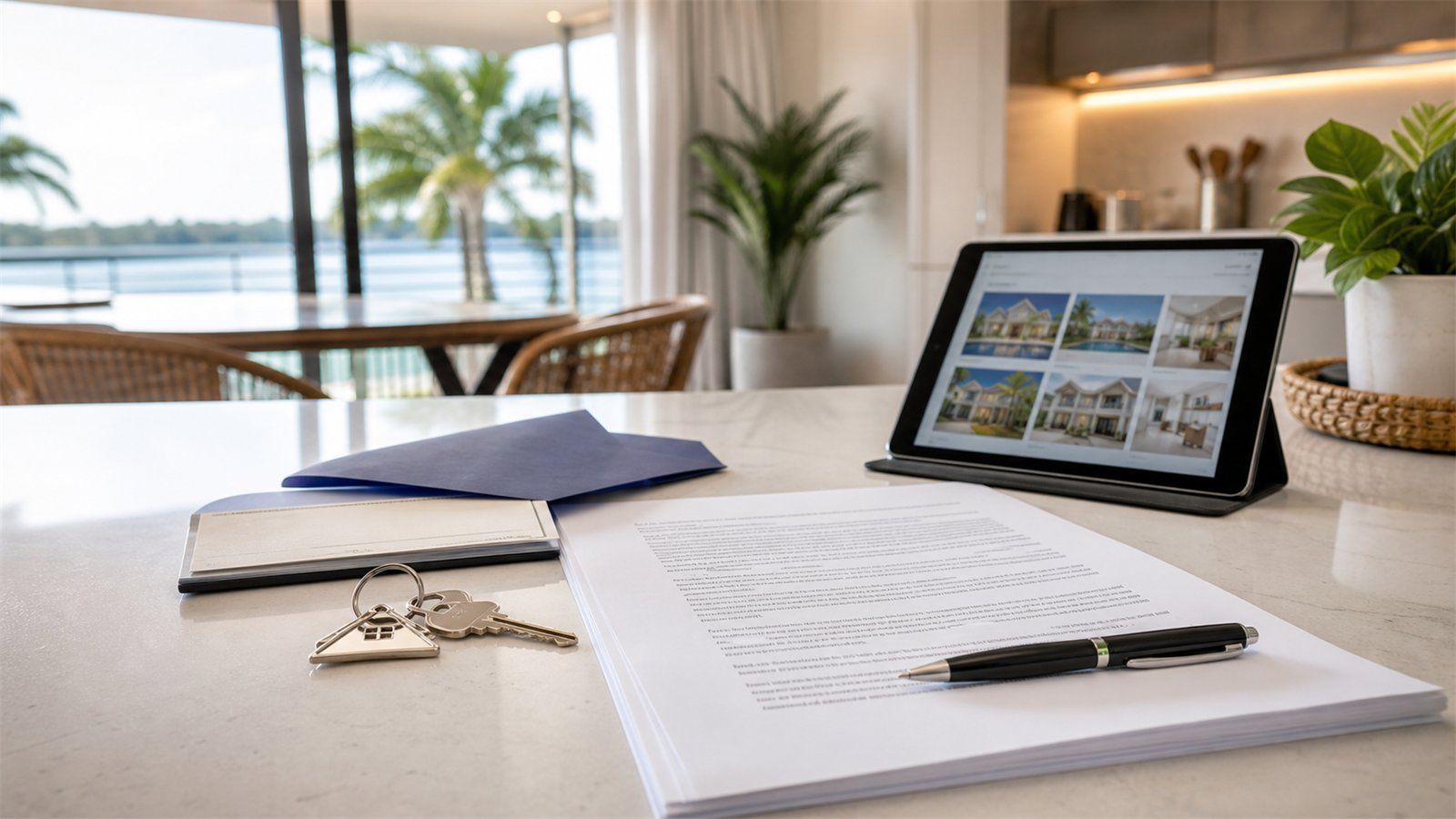
When a buyer gets an offer accepted in Miami-Dade or Broward County, one of the first real deadlines is usually the escrow deposit. This is where the process starts to feel real: the buyer has to send money, follow the contract, protect the funds, and stay on schedule.
An escrow deposit can help show a seller that a buyer is serious. It can also create avoidable stress if the buyer does not understand when the money is due, who is holding it, how it should be delivered, and what the contract says if the deal does not close.
What is an escrow deposit?
An escrow deposit is money a buyer places with a third party after a real estate contract is accepted. It is often called an earnest money deposit or good-faith deposit. According to the National Association of REALTORS consumer guide on escrow and earnest money, escrow is a financial arrangement where a third party, such as an attorney, settlement agent, or title agent, controls the funds until the terms of the contract are met.
The escrow deposit is not the same thing as the buyer's full down payment. In many transactions, money already placed in escrow is credited toward the buyer's down payment and other closing costs at closing. Buyers should still review their lender's figures and Closing Disclosure carefully because the deposit is only one part of the total cash needed to close.
Is an earnest money deposit required?
In many real estate transactions, an escrow deposit is common because it helps show commitment. NAR explains that there are no laws requiring an earnest money deposit to be attached to a home offer, but sellers may request one or look more favorably on offers that include one. The right amount depends on the property, the market, the buyer's financing, the competition, and the buyer's comfort level.
That last point matters. A larger deposit may make an offer look stronger, but the buyer should not offer a deposit amount casually. The buyer should understand the contract deadlines, inspection plan, financing timeline, appraisal risk, condo or HOA approval timeline, and the situations where the deposit may or may not be refundable.
How escrow deposits usually fit into a South Florida offer
In Miami-Dade and Broward, buyers often discuss escrow before the offer is written. The contract should clearly identify the amount of the deposit, when it is due, and who will hold it. The escrow holder may be a title company, attorney, settlement agent, or another authorized party depending on the transaction.
Florida has specific escrow-related rules for real estate licensees. Florida Administrative Code Rule 61J2-14.008 addresses funds entrusted to brokers and deposit documentation. Florida Realtors also notes that when a title company or attorney is maintaining the earnest money deposit, the sales contract should include that party's name, address, and telephone number.
Buyers do not need to memorize every legal rule, but they should know this practical takeaway: the escrow section of the contract is not filler. It should be filled out clearly, reviewed carefully, and followed exactly.
Step-by-step: what buyers should do before sending an escrow deposit
1. Confirm the deposit amount before writing the offer
The deposit should fit the buyer's strategy and risk comfort. A buyer competing for a well-priced home in Doral may use a different approach than a buyer pursuing a single-family home in Pinecrest, a home in Pembroke Pines, or a waterfront property. The amount should be discussed before the offer goes out, not after the seller accepts.
2. Know the exact due date
Escrow deadlines are contract deadlines. If the buyer's bank needs time to release funds, if the buyer is moving money from another account, or if a wire cutoff time applies, waiting until the last minute can create an unnecessary problem.
3. Confirm who is holding the money
The buyer should know the name of the escrow holder and how that party will confirm receipt. If the escrow holder is a title company or attorney, the contract should identify that party clearly. Buyers should save receipts, confirmations, and written records.
4. Verify wiring instructions before sending money
Wire fraud is a serious real estate risk. The Consumer Financial Protection Bureau warns that scammers may impersonate trusted parties during the closing process and send false wiring instructions. A buyer should call a trusted, independently confirmed phone number before wiring any escrow or closing funds. Do not rely only on a number or link inside an email with wiring instructions.
5. Keep proof that the deposit was sent
After sending the deposit, the buyer should keep the wire confirmation, receipt, canceled check, or written confirmation from the escrow holder. Proof of deposit can help everyone stay aligned and avoid confusion.
6. Track contract protections carefully
Whether a buyer can recover an escrow deposit if the transaction does not close depends on the contract language, deadlines, contingencies, and facts. Inspection, financing, appraisal, condo approval, HOA approval, insurance, and title issues can all matter. A licensed professional should review the specific situation if there is a dispute or legal question.
7. Review the Closing Disclosure before closing
For financed purchases, the CFPB Closing Disclosure explainer is a useful tool for reviewing loan terms, closing costs, estimated taxes and insurance, deposit credits, seller credits, and cash to close. Buyers should compare the Closing Disclosure with prior lender estimates and ask questions before closing day.
Common mistakes buyers should avoid
One common mistake is assuming the escrow deposit is just a formality. It is not. Once the contract is accepted, the buyer needs to follow the deposit deadline and delivery instructions.
Another mistake is sending money before verifying instructions by phone. Buyers should be especially careful if they receive a last-minute email changing wiring instructions or if the message creates pressure to act quickly.
Buyers also sometimes confuse an earnest money deposit with a lender escrow account. An earnest money deposit is part of the purchase contract process. A lender escrow account is usually used after closing to collect and pay certain property-related expenses such as taxes and insurance, depending on the loan structure. They are different things.
Finally, buyers should avoid assuming that every canceled deal automatically means the deposit comes back. In many cases, the contract controls the answer. The safest path is to understand the deadlines before signing and to communicate quickly if an issue comes up.
Why this matters in Miami-Dade and Broward
South Florida buyers often deal with fast-moving listings, condo association reviews, HOA approvals, insurance questions, older-home inspections, appraisal concerns, and competitive offer situations. A buyer looking in Fort Lauderdale may be weighing flood insurance and waterfront issues. A buyer looking in Kendall, Palmetto Bay, or Cutler Bay may be comparing inspection findings, roof age, insurance quotes, and commute needs.
The escrow deposit sits in the middle of that decision-making process. It tells the seller the buyer is serious, but it also forces the buyer to be organized. That is why escrow should be part of the offer strategy from the beginning.
What William Gartin recommends
Before writing an offer, William recommends that buyers know three numbers: the escrow deposit they are comfortable placing, the approximate cash they expect to need at closing, and the monthly payment range they can realistically handle.
He also recommends that buyers get lender guidance early. William can connect buyers with phenomenal lenders, including Joel Gonzalez with MOR Lending, when financing guidance is helpful. A strong lender conversation can help buyers understand documentation, cash needed, approval steps, and timing before the offer is submitted.
Escrow deposits are not something to guess through. They are part of the buyer's strategy. The right plan can help buyers look serious to sellers while still protecting the buyer's bigger financial picture.
Ready to buy with a clearer plan?
If you are thinking about buying in Miami-Dade or Broward and want to understand the process before you make an offer, contact William Gartin Real Estate with eXp Realty.
Call 305-842-6097, visit williamgartinrealestate.com, or start with the buyer questionnaire. You can also follow William on Facebook.
Sources
- National Association of REALTORS: Consumer Guide, Escrow and Earnest Money
- Florida Administrative Code Rule 61J2-14.008
- Florida Realtors: Florida's Escrow Laws and Rules
- Florida Statutes Section 475.25
- Consumer Financial Protection Bureau: Closing Disclosure Explainer
- Consumer Financial Protection Bureau: Mortgage Closing Scams
Categories
Recent Posts