Miami Beach Art Deco History: How Preservation Shaped Miami Real Estate

Walk along Ocean Drive and it is easy to treat the pastel hotels, curved corners, neon accents, terrazzo floors, and palm-lined sidewalks as pure Miami Beach atmosphere. But the Art Deco Historic District is more than scenery. It is one of the clearest examples of how Miami history, architecture, preservation, tourism, and real estate all connect.
For buyers, sellers, homeowners, and investors, that history still matters. The buildings that define South Beach were not saved by accident. They survived land booms, hurricanes, economic decline, demolition pressure, preservation fights, changing tourism patterns, and decades of reinvestment. Today, Miami Beach's historic architecture is part of the lifestyle value people are buying when they choose to live, invest, visit, or own near the beach.
That is why Miami Beach Art Deco history is not just a cultural story. It is a real estate story. Understanding it helps explain why certain streets feel irreplaceable, why historic review matters, why boutique hotels and older condo buildings require careful due diligence, and why architectural identity can become a long-term market advantage.
Why This Part of Miami History Still Matters
Miami Beach is often described through the language of luxury, nightlife, beaches, and international buyers. Those things are real, but they sit on top of a deeper foundation: the city's ability to turn a very specific architectural identity into global recognition.
The City of Miami Beach describes the city as a living museum of 20th-century design and notes that Miami Beach has the world's largest collection of Art Deco buildings, with more than 800 properties built between 1923 and 1943. That concentration gives South Beach something many resort markets would love to have: instant visual identity. You can show a single Ocean Drive facade and people know where they are.
For Miami real estate, identity has value. A home, condo, hotel, or mixed-use property does not exist only as square footage. It belongs to a neighborhood story. In South Beach, that story includes walkability, nightlife, architecture, beach access, preservation rules, tourism, and a constant balance between old and new.
The Historical Background
Miami Beach developed rapidly in the early 20th century as a resort city. Early architecture leaned heavily on Mediterranean Revival, with stucco walls, arches, tile work, courtyards, and romantic resort details. The City of Miami Beach notes that Mediterranean Revival became prominent in the 1920s as the city transformed from a quiet resort area into a glamorous tourist destination.
Then came the shocks that shaped the next chapter. The 1926 Great Miami Hurricane and the end of the Florida land boom changed the development climate. The Great Depression followed. Yet Miami Beach continued building in the 1930s, and the architectural language shifted. Art Deco and Streamline Moderne offered a modern, optimistic look: clean lines, geometric forms, rounded corners, nautical references, neon, glass block, terrazzo, and designs that felt forward-looking even in difficult years.
The result was not a single building, but a district. Hotels, apartment buildings, commercial spaces, theaters, and restaurants created a cohesive streetscape. Architects including Henry Hohauser, L. Murray Dixon, Albert Anis, Roy France, and others helped give Miami Beach a style that was modern, tropical, compact, and instantly recognizable.
Key People, Places, and Events
The National Park Service's National Register record for the Miami Beach Architectural District identifies architecture, entertainment and recreation, and community planning and development as key areas of significance. The district was published on May 14, 1979, with periods of significance listed as 1900-1924 and 1925-1949.
That National Register listing was not inevitable. By the 1970s, parts of South Beach were struggling. Many Art Deco buildings were aging, underused, or seen by some property owners as obstacles to redevelopment. The same low-rise buildings that now help define Miami Beach could easily have been replaced by larger generic structures.
Barbara Baer Capitman changed that trajectory. The Miami Design Preservation League traces its preservation story to Capitman, her son John, and designer Leonard Horowitz, who identified the concentration of 1930s buildings in South Beach and helped push for national recognition. The National Trust for Historic Preservation credits Capitman with helping save what it calls the nation's first 20th-century National Historic District.
Even after the National Register listing, preservation required local action, advocacy, investment, and public attention. The Miami Design Preservation League continued fighting for the buildings, while television, photography, tourism, and boutique hotel reinvestment helped introduce South Beach's architecture to a much wider audience. The result was not just preservation as a museum concept. It was preservation as an economic and neighborhood engine.
Historic Places You Can Still Visit Today
One reason the Art Deco Historic District remains so powerful is that it is still alive. This is not a closed-off historic site. People stay in the hotels, eat in the restaurants, walk to the beach, live in nearby apartments and condos, and use the architecture as part of everyday Miami Beach life.
Places and streets worth noticing include Ocean Drive, Collins Avenue, Washington Avenue, Espanola Way, Lincoln Road, the Art Deco Welcome Center, and buildings such as the Colony Hotel, the Carlyle, the Tides, the Park Central, the Leslie, the National Hotel, and the Lincoln Theatre building. The Miami Design Preservation League's design overview explains how Art Deco, Mediterranean Revival, and Miami Modern together form the design DNA of Miami Beach.
For residents and visitors, the details matter. Look for eyebrows over windows, rounded corners, vertical fins, ship-like railings, porthole windows, ziggurat shapes, neon signage, tropical motifs, and terrazzo floors. These details help explain why Miami Beach architecture feels different from other coastal cities. It is not only beach real estate. It is designed beach real estate.
How This History Shaped Miami's Neighborhoods
The preservation of Miami Beach's Art Deco district shaped the way South Beach grew. Instead of becoming only a high-rise resort strip, the area retained a low-rise, pedestrian-scaled historic core. That changed the neighborhood experience. It protected a walkable hotel and entertainment district, supported adaptive reuse, and helped create a brand that still influences nearby residential and commercial real estate.
That history also changed expectations across Miami. It proved that older buildings could be assets, not just development sites. In a region known for reinvention, preservation gave Miami Beach a way to grow without losing the visual character that made it famous.
Buyers comparing Miami Beach with other Miami neighborhoods should understand that each area has a different relationship with history. Coral Gables leans on Mediterranean Revival planning and civic design. Coconut Grove carries older tropical and Bahamian influences. Downtown Miami and Brickell tell stories of commerce, railroads, waterfront development, and skyline growth. Miami Beach's Art Deco story is about resort architecture, preservation, and the economic power of a recognizable streetscape.
What This Means for Miami Real Estate Today
For Miami real estate, the Art Deco Historic District still matters in several practical ways.
First, preservation influences supply. Historic districts can limit demolition and shape what can be altered, expanded, painted, or rebuilt. That can protect character, but it also means owners and investors need to understand approvals, maintenance standards, building conditions, insurance, reserves, structural updates, and local review processes.
Second, architecture influences demand. Many buyers are not only shopping for bedrooms and parking. They want a lifestyle: walkability, restaurants, beach access, design, history, and a strong sense of place. In South Beach, historic architecture is part of that value proposition. It is one reason nearby condos, boutique hotel assets, and commercial properties can carry appeal beyond their physical size.
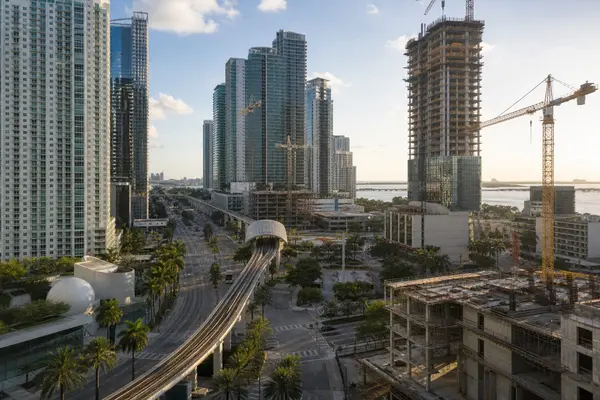
Third, historic identity creates contrast with new development. Miami continues to build luxury towers, new waterfront residences, and modern mixed-use projects. That is important too, especially for buyers focused on amenities, views, parking, and new construction. But the Art Deco District gives Miami Beach a different kind of value: scarcity of character. For buyers evaluating waterfront homes in Miami, Miami luxury real estate, or new construction in South Florida, the lesson is the same. The best real estate decisions consider both the property and the place around it.
Finally, preservation affects long-term ownership strategy. A historic building may offer charm, location, and architectural value, but it also demands careful inspection and planning. Roofs, concrete restoration, windows, mechanical systems, flood risk, insurance, condo documents, association reserves, and local historic rules all matter. A knowledgeable Miami local Realtor can help buyers and sellers understand those issues before they become expensive surprises.
Why Buyers and Sellers Should Understand Miami's History
Miami's past explains a lot about its present market. The city did not become an international real estate destination only because of weather. It grew through railroads, ports, immigration, resort development, architecture, preservation, rebuilding after storms, and constant reinvention. The Miami Beach Art Deco story shows how cultural identity can become economic value.
For sellers, this history can help with positioning. A property near a historic district, an architecturally important street, or a preserved neighborhood should not be marketed like a generic unit. The story of the surrounding area can support better presentation, stronger buyer connection, and a clearer explanation of lifestyle value.
For buyers, history helps with due diligence. A beautiful older building may come with responsibilities that newer construction does not. A modern tower may offer convenience but lack the character and walkability that define older districts. A neighborhood's preservation rules, design identity, traffic patterns, and tourism economy can all affect day-to-day living and long-term value.
Final Thoughts from William Gartin Real Estate
Miami Beach's Art Deco Historic District is one of the best examples of how Miami's past continues to shape its real estate market today. The buildings are beautiful, but their real importance goes deeper. They tell a story about resilience after storms, optimism during hard economic times, citizen-led preservation, tourism, architecture, and the value of protecting what makes a neighborhood distinct.
If you are thinking about buying or selling a home in Miami, it helps to work with a Realtor who understands not just the market, but the history, neighborhoods, architecture, and long-term growth of the city. William Gartin and his team help buyers and sellers make informed decisions throughout Miami and South Florida.
William Gartin Real Estate
305-842-6097
williamgartinrealestate.com
Facebook: https://www.facebook.com/williamgartinre
Buyer questionnaire: https://hul1lsz36ih.typeform.com/to/xmGciMYj
Sources and Image Credit
- City of Miami Beach: Art Deco architecture
- City of Miami Beach: Mediterranean Revival architecture
- Miami Design Preservation League: Miami Design Styles
- Miami Design Preservation League: Who We Are
- National Park Service / NPGallery: Miami Beach Architectural District
- Library of Congress: HABS Miami Beach Art Deco Historic District survey
- Library of Congress image record: Carlyle Hotel, 1250 Ocean Drive
- National Trust for Historic Preservation: Barbara Baer Capitman
Categories
Recent Posts