The 1926 Great Miami Hurricane: How One Storm Changed Miami Real Estate History
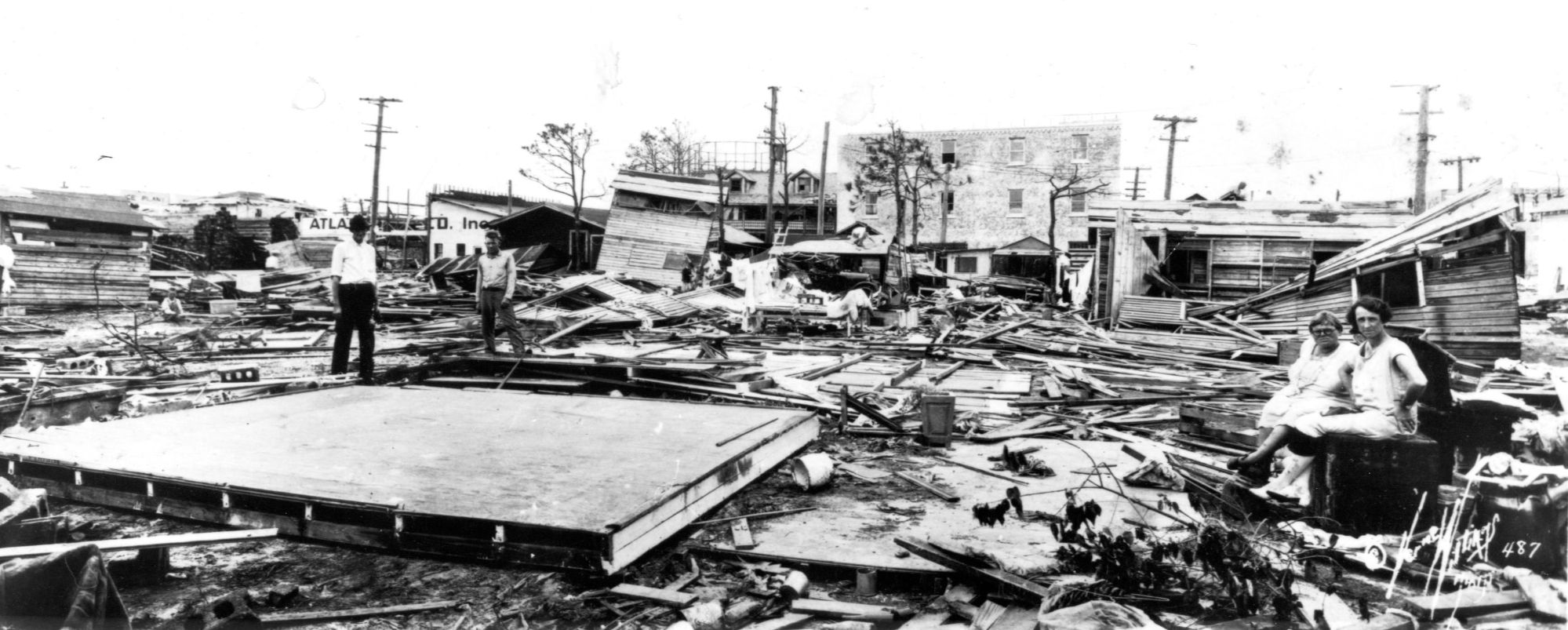
Image credit: Original resource at State Library and Archives of Florida, World Digital Library, via Library of Congress.
Miami has always been a city of ambition. Long before today's skyline, luxury condo towers, international buyers, and waterfront homes, Miami was a fast-growing subtropical boomtown trying to prove itself to the rest of the country. Then, on September 18, 1926, the Great Miami Hurricane exposed both the promise and the vulnerability of a city being built at extraordinary speed.
For anyone interested in Miami history, this storm is more than an old weather event. It is part of the story behind Miami real estate, coastal development, historic architecture, insurance awareness, and the way buyers and sellers evaluate property in South Florida today. The hurricane did not end Miami's rise, but it changed the conversation around growth, risk, construction, and long-term value.
Why This Part of Miami History Still Matters
The 1926 hurricane matters because it sits at the intersection of history, housing, architecture, infrastructure, and neighborhood identity. Miami was already becoming a national symbol of sunshine, land speculation, resort living, and waterfront opportunity. The storm forced residents, investors, developers, and public officials to recognize that coastal beauty also came with serious responsibilities.
Today, those responsibilities still influence how people buy and sell homes in Miami. Buyers ask about flood zones, elevation, roof age, impact windows, insurance, permits, seawalls, drainage, and building condition. Sellers benefit when they can show that a home has been updated thoughtfully and maintained with South Florida's climate in mind. Investors study not only location and rent potential, but also resilience, insurance costs, construction quality, and long-term neighborhood demand.
That is why Miami's past is useful in today's market. A home is not just a listing. It is part of a neighborhood, a built environment, and a coastal city with a very specific history.
The Historical Background
By the mid-1920s, Miami was in the middle of a dramatic land boom. New residents, tourists, builders, and speculators were arriving in large numbers. Subdivisions were promoted aggressively, hotels and homes were under construction, and land values were being pushed by optimism about South Florida's future. The Library of Congress describes the 1920s land boom as a period of rapid growth and unprecedented construction across southeastern Florida.
Miami Beach was still young, built across Biscayne Bay on barrier islands that had been transformed from mangroves into resort real estate. Coral Gables was being developed as a planned Mediterranean-inspired community. Downtown Miami was expanding as a commercial center. Coconut Grove, Brickell, and the bayfront all carried a sense that Miami was entering a new era.
Then the storm arrived. The National Weather Service records the Great Miami Hurricane as making landfall in South Florida on September 18, 1926. The eye moved over downtown Miami, Coconut Grove, and South Miami during the morning. Many people misunderstood the calm inside the eye as the end of the storm and went outside. When the back side arrived, it brought severe wind and storm surge across Miami Beach, Biscayne Bay, and the mainland.
Key People, Places, and Events
The Great Miami Hurricane damaged homes, hotels, infrastructure, boats, businesses, and public confidence. The Library of Congress record notes that officials estimated about 4,700 homes were destroyed in South Florida and roughly 25,000 people were left without shelter. The Red Cross reported 372 deaths and more than 6,000 injuries. The National Weather Service also documents the storm as one of the defining hurricane events in South Florida history.
The storm hit at a fragile moment. The Florida real estate boom was already under pressure from speculation, transportation bottlenecks, and tightening confidence. The hurricane did not create every problem in the market, but it accelerated the end of the boom and changed how outsiders viewed Miami's risk profile. PBS's Miami history materials connect the storm to the broader collapse of Florida's 1920s real estate bubble, which happened before the national Great Depression.
Miami Beach was especially exposed. Sand, water, and debris moved through areas that had been marketed as glamorous coastal property. The City of Miami Beach notes that after the 1926 hurricane damaged many earlier homes and hotels, the first Art Deco buildings began appearing in 1933. That later rebuilding period helped create one of the most recognizable historic places in Miami: the Miami Beach Architectural District.
Historic Places You Can Still Visit Today
One of the most direct places to connect with this story is downtown Miami, where the Great Miami Hurricane historical marker stands near NE 1st Avenue and NE 1st Street. It places the storm within the city's physical core, close to the commercial district that was trying to grow into a major urban center in the 1920s.
Miami Beach's Art Deco District is another living reminder of how disaster, rebuilding, tourism, and design became intertwined. Visitors often see the district as colorful hotels and neon signs, but its deeper story includes land development, hurricane damage, economic recovery, preservation, and the long-term value of architecture that gives a neighborhood its identity.
Historic preservation also matters on the mainland. The City of Miami's historic preservation program emphasizes the importance of identifying and protecting places that reflect the city's heritage. For homeowners, buyers, and sellers, that can affect renovation options, property character, neighborhood desirability, and the way older homes are evaluated.
How This History Shaped Miami's Neighborhoods
The 1926 hurricane did not affect every neighborhood in exactly the same way. Waterfront and barrier-island areas faced storm surge and direct exposure. Mainland neighborhoods had to confront wind damage, flooding, infrastructure limits, and the reality that growth had moved faster than resilience planning. Downtown Miami, Coconut Grove, Coral Gables, Miami Beach, and the bayfront each carried different lessons forward.
That is one reason historic Miami neighborhoods can be so nuanced in today's real estate market. An older home may offer craftsmanship, location, lot character, walkability, and architectural charm that newer construction cannot easily replicate. At the same time, buyers should understand roof condition, windows and doors, elevation, drainage, electrical and plumbing updates, permitted improvements, insurance history, and any historic district rules.
In communities such as Coral Gables and Pinecrest, buyers often value established neighborhoods, mature landscaping, and single-family-home character. For people comparing houses in Coral Gables or single family houses in Pinecrest, history and construction quality can be part of the same conversation. The right property is not only attractive; it also has to make sense for South Florida's climate and long-term ownership costs.
What This Means for Miami Real Estate Today
The 1926 hurricane is one reason Miami real estate cannot be evaluated by price per square foot alone. A knowledgeable Miami Realtor looks at the full picture: location, construction quality, roof condition, opening protection, elevation, flood zone, insurance profile, renovation history, neighborhood demand, and future resale appeal.
Modern Miami-Dade County is deeply connected to hurricane-resistant construction standards. Miami-Dade's Code Coordination office works within the Florida Building Commission process and addresses High Velocity Hurricane Zone provisions. The modern statewide building-code framework was strengthened after later storms, especially Hurricane Andrew in 1992, but the 1926 hurricane remains one of Miami's earliest and most important lessons in how rapid coastal growth must be balanced with building performance and public safety.
For buyers considering Miami waterfront homes, older single-family properties, condos, or new construction homes, the practical lesson is clear: lifestyle and due diligence belong together. For sellers, documented improvements can help tell a stronger story. Impact windows, roof updates, drainage improvements, code-compliant work, and clear permit history can make a property easier for buyers to understand.
Miami's luxury market also reflects this lesson. Many buyers looking at luxury homes in Miami and South Florida are not only looking for views, finishes, and location. They also want confidence in construction, maintenance, privacy, resilience, and long-term value.
Why Buyers and Sellers Should Understand Miami's History
Miami's history gives buyers and sellers better questions to ask. Why did this neighborhood develop the way it did? Was this area shaped by waterfront access, railroads, tourism, immigration, preservation, or post-storm rebuilding? Is the home's character part of its value? Are there historic preservation rules? How does the property's age compare with its updates? What does the surrounding neighborhood tell us about future demand?
Those questions matter because Miami is not a generic housing market. It is a city shaped by hurricanes, immigration, architecture, tourism, finance, culture, and global attention. A buyer who understands that context can make a more informed decision. A seller who understands it can market a home with more precision and credibility.
The 1926 hurricane also reminds us that Miami's strength has always come from rebuilding with ambition. The city absorbed damage, adjusted, and kept growing. That pattern is part of what makes Miami powerful today, but it also means that good advice matters. Buyers and sellers need someone who can interpret both the market and the local story behind the market.
Final Thoughts from William Gartin Real Estate
The Great Miami Hurricane of 1926 was a defining moment in the history of Miami, Florida. It revealed the risks of speculative growth, changed the conversation around coastal development, and helped shape the architecture, planning, and real estate decisions that followed. Nearly a century later, Miami is stronger, larger, and more international, but the core lesson remains the same: understanding the city's history helps people make better real estate decisions.
If you are thinking about buying or selling a home in Miami, it helps to work with a Realtor who understands not just the market, but the history, neighborhoods, architecture, and long-term growth of the city. William Gartin and his team help buyers and sellers make informed decisions throughout Miami and South Florida.
William Gartin Real Estate
305-842-6097
williamgartinrealestate.com
Facebook: https://www.facebook.com/williamgartinre
Buyer questionnaire: https://hul1lsz36ih.typeform.com/to/xmGciMYj
Sources
- National Weather Service Miami: The Great Miami Hurricane of 1926
- Library of Congress: Devastation in Miami from the 1926 Hurricane
- PBS American Experience: The 1926 Hurricane and Miami
- City of Miami Beach: Miami Beach history and Art Deco context
- City of Miami Historic Preservation
- Miami-Dade County Code Coordination
- Florida Building Commission Milestones
Categories
Recent Posts