How Miami Homeowners Can Improve Indoor Air Quality Before Summer Humidity Peaks
 Miami homes work hard in the summer. The air conditioner runs longer, afternoon storms bring extra moisture, doors open and close from pool days and errands, and humidity can settle into closets, bathrooms, laundry rooms, and soft furnishings before a homeowner realizes there is a problem.
That is why indoor air quality should be part of normal home maintenance in South Florida, not just something to think about after a leak, odor, allergy flare-up, or visible mildew spot. A cleaner, fresher indoor environment can make daily life more comfortable, help protect finishes and furniture, and support long-term property care.
For Miami homeowners, the best approach is not one expensive gadget or a heavy fragrance that covers up stale air. It is a simple system: control moisture, reduce indoor pollutants, improve ventilation when appropriate, keep air moving through clean filters, and watch the small areas where humidity quietly collects.
Start With Humidity, Not Scent
In South Florida, many air quality problems begin with moisture. The U.S. Environmental Protection Agency notes that indoor humidity should generally stay below 60 percent and ideally between 30 and 50 percent when possible. Florida Department of Health guidance also emphasizes that mold needs moisture to grow, which makes moisture control the foundation of a healthier home.
A basic digital humidity monitor is one of the most useful small tools a Miami homeowner can own. Place one in the living area and another in a problem zone such as a bathroom, closet, laundry room, or guest bedroom. If you regularly see readings above 60 percent, treat that as a maintenance signal.
- Run bathroom exhaust fans during showers and for several minutes afterward.
- Use the kitchen range hood when cooking, especially when boiling water.
- Keep interior doors open when possible so air can circulate.
- Empty and clean portable dehumidifiers regularly.
- Check that the AC drain line is clear and not backing up.
- Avoid wet towels, damp swimwear, or laundry piles in closed rooms.
For homes near the coast, including Miami waterfront homes, humidity management is especially important because salt air, frequent rain, and indoor-outdoor living can add extra moisture pressure.
Replace Smell Good With Clean Source
A fresh-smelling home starts by removing the source of odors rather than masking them. Plug-ins, candles, and sprays can make a room seem cleaner for a few hours, but they do not fix damp fabric, dirty filters, pet bedding, clogged drains, old trash bins, or dusty return vents.
Walk through the home and look for the real sources: trash and recycling areas that need washable liners or tighter lids, HVAC returns with dust buildup around the grille, area rugs and upholstery that hold pet odor or moisture, closets with shoes and sports gear, and laundry rooms where heat and moisture linger.
This kind of maintenance matters beyond comfort. Buyers notice air quality quickly during showings. A home that smells clean, dry, and well cared for often feels better maintained than a similar home with stale air, mildew odor, or heavy artificial fragrance.
Use Your HVAC System More Intentionally
Your air conditioning system does more than cool the home. In Miami, it also helps remove moisture when it is sized correctly, maintained properly, and allowed to run in healthy cycles.
Homeowners should replace filters on a schedule that matches the home’s real use. A household with pets, remodeling dust, frequent guests, or allergy concerns may need filter changes more often than a lightly used home. Use the filter rating recommended by your HVAC professional, because a filter that is too restrictive can reduce airflow if the system is not designed for it.
Also check the air return areas. Furniture, curtains, boxes, or storage items should not block airflow. If one bedroom feels stuffy while the rest of the home feels comfortable, the issue may be airflow, a closed door, a dirty vent, or an undersized return path.
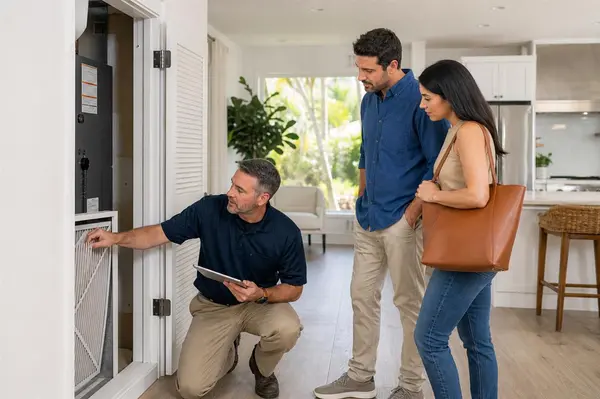
Before peak summer, schedule an HVAC service visit if the system has not been checked recently. Ask about coil condition, drain line cleaning, filter fit, thermostat settings, signs of excess condensation, and whether the system is short cycling.
In older homes in areas such as Coral Gables, Westchester, or Cutler Bay, HVAC and ventilation improvements can make a noticeable difference in comfort without changing the character of the home.
Ventilate Carefully in Humid Weather
Fresh air can help reduce indoor pollutants, but South Florida homeowners need to be selective. Opening windows on a mild, dry morning may be helpful. Opening windows during a humid afternoon thunderstorm can bring more moisture inside.
Use ventilation where it removes pollutants at the source. Bathroom fans, kitchen hoods, and laundry ventilation are especially useful because they move moisture and odors out before they spread through the house. If you are painting, using strong cleaning products, sanding, or doing a small home improvement project, ventilate during and after the work.
The goal is not to leave the house open all day. The goal is controlled ventilation that fits Miami’s climate.
Clean the Hidden Dust Zones
Dust is not just a housekeeping issue. It can hold pollen, pet dander, textile fibers, outdoor particles, and moisture. In humid homes, dusty surfaces can also make a room feel stale faster.
- Ceiling fan blades.
- Return-air grilles.
- Tops of door frames.
- Closet shelves.
- Window tracks.
- Under beds.
- Behind nightstands.
- Laundry room corners.
- AC closet floors.
Use a damp microfiber cloth instead of simply pushing dust into the air. Vacuum rugs, sofas, and mattresses with a clean filter. Wash bedding, throw blankets, and pillow covers more often during high-humidity months.
This is especially helpful before listing a home. A clean, dry, fresh interior supports stronger first impressions and can help buyers focus on layout, light, storage, and upgrades instead of maintenance concerns.
Watch Closets, Guest Rooms, and Closed-Off Spaces
Many South Florida homes have rooms that are not used every day. Guest bedrooms, formal dining rooms, closets, storage rooms, and closed offices may receive less airflow, which can make them vulnerable to stale air and humidity.
Open doors periodically, keep items off the floor when possible, and avoid packing closets so tightly that air cannot move. Use breathable storage for linens. Do not store damp beach towels, outdoor cushions, or pool items in closed closets.
If a closet repeatedly smells musty, do not ignore it. Check nearby plumbing, exterior walls, roof lines, window seals, and AC supply. A small odor can be an early warning before a larger repair.
Choose Materials That Handle South Florida Living
Indoor air quality also connects to design decisions. Some materials are easier to keep clean and dry than others. Good choices for Miami homes often include washable performance fabrics, tile or luxury vinyl in high-moisture areas, moisture-resistant trim in bathrooms and laundry rooms, washable rugs instead of heavy wall-to-wall carpet, closed storage for cleaning products, and easy-to-clean cabinet interiors in kitchens and baths.
These choices can make daily life easier and may support property value because they signal practical maintenance. Buyers in South Florida often respond well to homes that feel durable, clean, and suited to the climate.
Add Air Cleaning as a Supplement, Not a Substitute
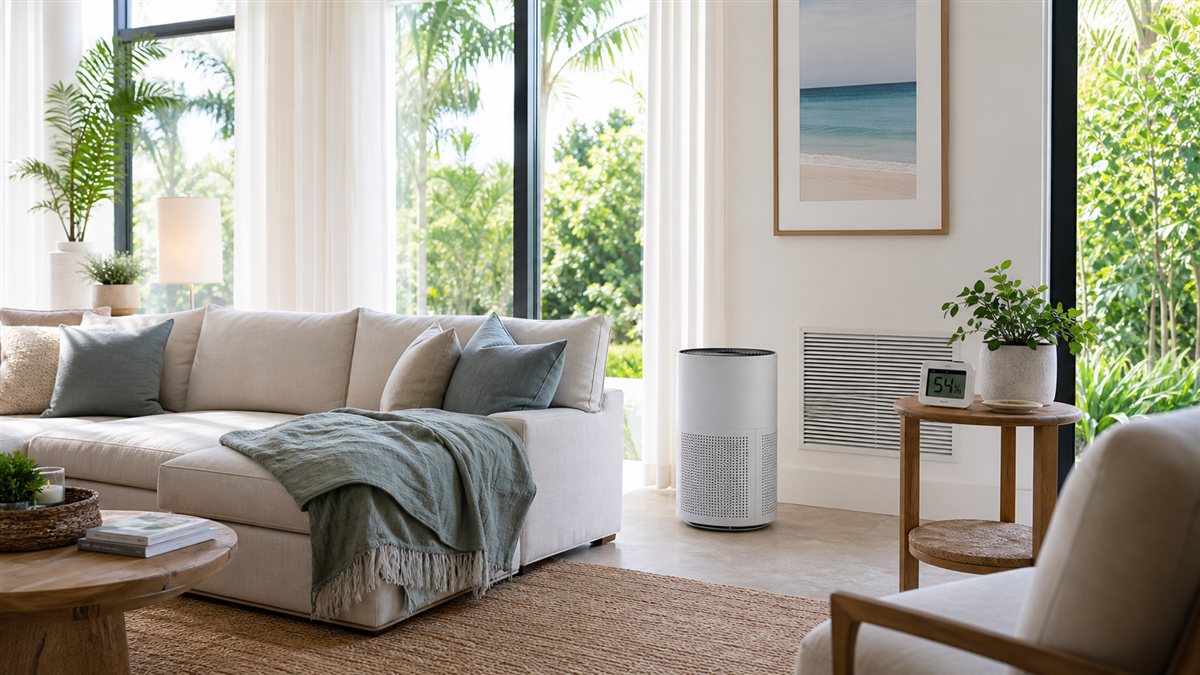
Portable air purifiers can be useful in bedrooms, home offices, nurseries, and main living areas, especially when paired with source control and good cleaning habits. They should not be treated as a replacement for fixing leaks, controlling humidity, venting bathrooms, or maintaining the HVAC system.
Choose the right size for the room, place the unit where airflow is not blocked, and replace filters as directed. A purifier tucked behind furniture or running with an old filter will not deliver the same benefit.
For families working from home, upgrading a home office with better filtration, less dust, cleaner textiles, and steady humidity can make the room feel more comfortable during long workdays. That matters in markets where flexible space is a real lifestyle feature, from Pinecrest single-family homes to townhomes and condos across Miami-Dade and Broward.
Create a Monthly Indoor Air Quality Routine
- Check humidity readings in key rooms.
- Replace or inspect the HVAC filter.
- Wipe return-air grilles.
- Clean sink drains and trash areas.
- Wash pet bedding, throws, or frequently used textiles.
- Check under sinks for small leaks.
- Look for condensation around windows, vents, or plumbing.
- Open closet doors for airflow while cleaning.
- Confirm bathroom and kitchen fans are working.
- Note any recurring odors and track where they return.
This simple routine can prevent small issues from becoming expensive ones. It also helps a home feel consistently ready for guests, family, remote work, and future resale.
A Healthier Home Can Also Be a More Marketable Home
Indoor air quality may not sound as exciting as a new kitchen or outdoor patio, but it affects how a home feels every single day. In Miami’s humid climate, a home that feels cool, dry, clean, and fresh has a major lifestyle advantage.
For homeowners thinking about resale, these details matter. Buyers may not ask about humidity meters or HVAC drain lines, but they notice musty rooms, foggy windows, dusty vents, stained ceilings, and stale air. They also notice when a home feels bright, clean, and well maintained.
Improving indoor air quality is really about protecting comfort, health, maintenance, and value at the same time.
If you are thinking about buying, selling, improving, or simply understanding the value of your South Florida home, William Gartin with eXp Realty can help you look at your property through both a homeowner’s and a market-focused lens. From maintenance choices to neighborhood expectations and resale positioning, the right guidance can help you make smarter decisions before you spend money on upgrades.
William Gartin with eXp Realty
305-842-6097
williamgartinrealestate.com
Categories
Recent Posts