Best Flooring Choices for Miami Homes: Style, Durability, and Resale Value in South Florida Weather
Flooring is one of those home decisions that affects almost everything: how a room looks, how easy it is to clean, how cool the house feels underfoot, how well it handles moisture, and how confident a future buyer feels when walking through the door. For Miami homeowners, the decision is even more important because South Florida homes deal with heat, heavy rain, humidity, sand, pets, kids, pool traffic, and the occasional storm season surprise.
The right floor can make a home feel newer, brighter, easier to maintain, and more valuable. The wrong floor can show wear quickly, trap moisture, or make a beautiful home feel dated before its time. If you are improving your own home, preparing for future resale, or comparing finishes in single-family houses in Pinecrest, Coral Gables, Cutler Bay, or waterfront areas, flooring deserves a thoughtful plan.
Start With the South Florida Reality
A floor that works beautifully in a dry mountain climate may not be the best fit for Miami-Dade or Broward. Here, homeowners should think about moisture, cooling, cleaning, and long-term durability before falling in love with a sample board.
In a South Florida home, good flooring should be able to handle:
- High humidity and frequent summer rain
- Sand, soil, and wet shoes coming in from patios, pools, and driveways
- Air conditioning, indoor-outdoor living, and temperature swings
- Pets, children, guests, and entertaining
- Future buyer expectations for clean, durable, modern finishes
That does not mean every Miami home needs the same flooring. A waterfront condo, a family home in Kendall, a luxury property in Coral Gables, and a busy townhome in Doral may each call for a different material. The best choice is the one that fits the home, the neighborhood, the lifestyle, and the resale picture.
Porcelain Tile: The Miami Workhorse
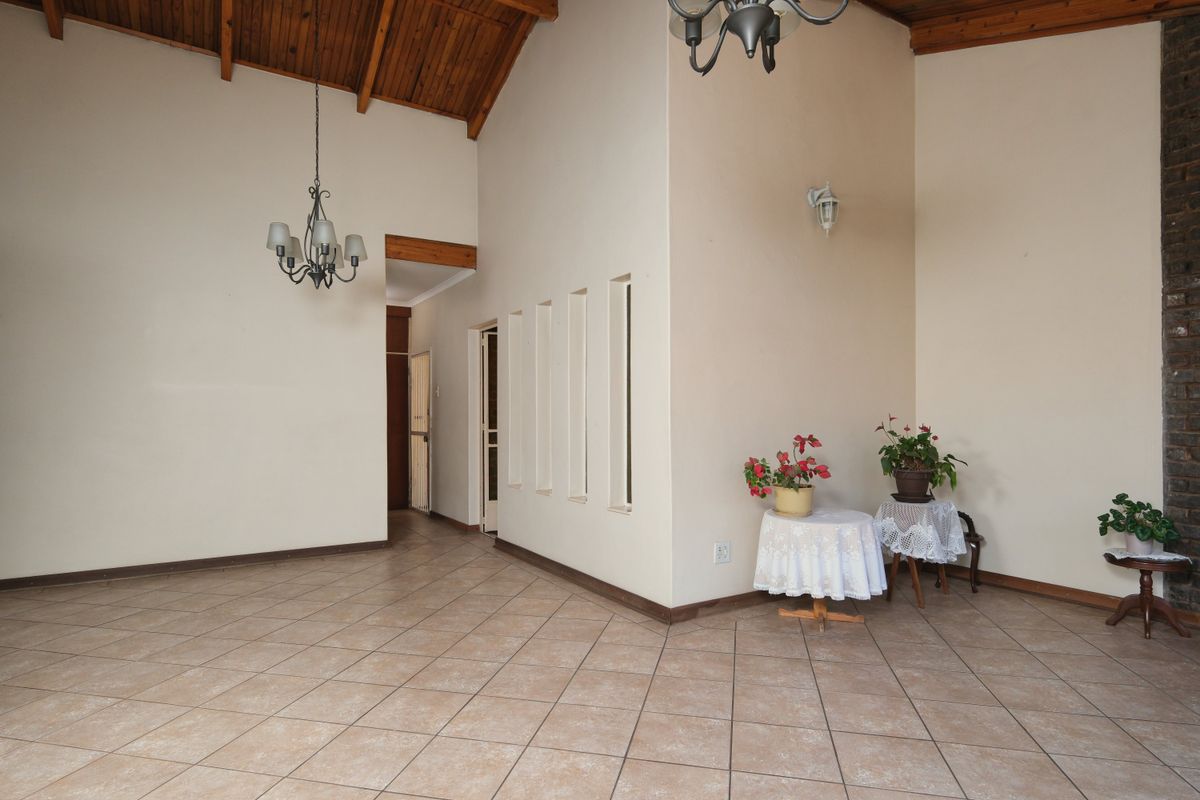
Porcelain tile remains one of the strongest flooring choices for many South Florida homes. It resists moisture, cleans easily, handles heavy use, and can make a home feel cooler in hot weather. Today's porcelain tile also comes in more attractive finishes than older glossy square tile. Homeowners can choose stone looks, warm neutrals, terrazzo-inspired patterns, concrete looks, and even wood-look planks.
For resale, porcelain tile often performs well because buyers understand it is practical in Florida. It is especially useful in main living areas, kitchens, bathrooms, laundry rooms, and homes with pool access. If you are considering waterfront homes or properties near the coast, moisture tolerance can be a meaningful advantage.
The main thing to watch is style. Very shiny, dark, or highly patterned tile can date a home quickly. Larger-format tile in soft neutral tones usually feels more current and can help rooms look bigger. If you want a luxury feel, keep grout lines narrow and choose a grout color that blends instead of creating a busy grid.
Luxury Vinyl Plank: Comfortable and Practical
Luxury vinyl plank, often called LVP, has become popular because it gives homeowners a warmer look than tile while staying easier to maintain than natural wood. Quality LVP can work well in bedrooms, home offices, upstairs spaces, playrooms, and lower-traffic living areas. It is softer underfoot than tile and can reduce the echo that sometimes happens in open-concept homes.
For Miami homeowners, the key is choosing a higher-quality product designed for moisture resistance and stable performance. Not all vinyl flooring is equal. Look for strong wear layers, good locking systems, realistic texture, and a product warranty that matches the room where it will be installed.
LVP can be a smart option when you want the look of wood without the same maintenance. It can also make an older home feel more modern without the dust, cost, and disruption of a full renovation.
Engineered Wood: Beautiful, But Be Selective
Real wood floors can be beautiful, especially in higher-end homes, but South Florida humidity makes material selection and installation very important. Solid hardwood is more sensitive to moisture and movement. Engineered wood is usually the better choice if a homeowner wants an authentic wood surface because it is built in layers and can be more dimensionally stable.
That said, engineered wood still needs proper indoor humidity control, professional installation, and careful maintenance. It is usually not the best choice for bathrooms, laundry rooms, pool-adjacent areas, or spaces where wet feet are common. In a luxury Miami property, engineered wood can be stunning in bedrooms, formal living spaces, or offices, but it should be chosen with the home's environment in mind.
Natural Stone: High-End Look, Higher Maintenance
Marble, travertine, limestone, and other natural stones can make a home feel elegant and custom. They are common in many South Florida luxury homes, especially where homeowners want a resort-style interior. But natural stone is not maintenance-free. Some stone can stain, etch, scratch, or become slippery if it is not sealed and cared for properly.
Before choosing natural stone, ask how the material handles water, cleaning products, furniture movement, pets, and everyday traffic. Also consider whether the look fits your neighborhood and likely future buyer. A beautiful stone floor can add presence, but an overly specific color or pattern may narrow the buyer pool later.
Flooring Choices That Usually Age Well
If your goal is to improve daily life and protect future property value, timeless choices usually outperform trendy ones. Miami homeowners do not need boring floors, but they should avoid materials that feel too personal or too difficult to maintain.
Flooring choices that tend to age well include:
- Warm neutral porcelain tile in large formats
- Light to medium wood-look tile with subtle grain
- Quality luxury vinyl plank in realistic oak or coastal wood tones
- Engineered wood in classic natural finishes for dry interior spaces
- Low-sheen surfaces that hide dust, sand, and everyday footprints
Choices that can become harder to sell include very red wood tones, high-gloss black tile, busy mosaic floors across large rooms, carpet in main living areas, or inexpensive materials that show seams and wear quickly.
Think About Room-by-Room Performance
A whole-house flooring plan can make a home feel more cohesive, but every room has different demands. Kitchens need easy cleaning and moisture tolerance. Bathrooms need slip resistance and water durability. Bedrooms can prioritize comfort and warmth. Home offices need chair-friendly surfaces. Entry areas need to handle wet shoes, deliveries, and daily traffic.
If you are updating a home gradually, start with the areas that affect daily life most. Replacing worn flooring in the main living space can immediately make a home feel cleaner and more open. Updating old carpet in bedrooms can improve freshness and buyer perception. Replacing slippery or dated bathroom flooring can improve both safety and style.
Do Not Forget Subfloors, Transitions, and Installation
The best flooring material can still disappoint if the installation is poor. Uneven subfloors, awkward transitions, hollow sounds, lippage, moisture issues, and mismatched grout can make a new floor feel cheap even when the material was expensive.
Before installation, ask your contractor about moisture testing, leveling, underlayment, expansion gaps, transition pieces, and how the floor will meet existing doors, stairs, baseboards, and cabinetry. In South Florida, this planning matters because homes may have slab foundations, additions, old tile layers, or prior water exposure.
How Flooring Can Affect Home Value
Flooring is rarely the only reason a buyer chooses a home, but it strongly shapes first impressions. Buyers notice whether a home feels clean, current, consistent, and easy to maintain. They also notice when flooring looks like an immediate project.
For sellers, new or well-maintained flooring can reduce buyer hesitation. For long-term homeowners, durable flooring can make the home easier to live in while protecting the overall condition of the property. In Miami real estate, where buyers compare homes across many neighborhoods and price points, flooring is part of the lifestyle story a home tells.
A smart flooring upgrade does not have to be the most expensive option. It should be appropriate for the home, attractive to a broad range of buyers, and realistic for South Florida weather.
Final Thought
Before you choose flooring, bring home samples and look at them in morning light, afternoon light, and under your actual interior lighting. Walk on them barefoot. Test how they look beside your cabinets, wall color, baseboards, and furniture. Think about how you live today and how a future buyer may experience the home later.
If you are thinking about improving, buying, or selling a home in Miami or South Florida, William Gartin with eXp Realty can help you understand which upgrades may support comfort, lifestyle, and long-term property value. For guidance on your home, neighborhood, or next real estate move, contact William Gartin with eXp Realty at 305-842-6097 or visit williamgartinrealestate.com.
Categories
Recent Posts