8 Smart Hurricane-Season Home Checks Miami Homeowners Should Finish Before June 1, 2026
Atlantic hurricane season starts on June 1, 2026, and that date matters for homeowners across Miami and South Florida. NOAA's 2026 Atlantic outlook was issued on May 21, 2026, and even though the forecast calls for a quieter season overall than usual, one storm is still enough to cause expensive damage, major stress, and months of cleanup. The smart move is to use the final days of May to strengthen the house you already own.
That is especially true in South Florida, where wind, wind-driven rain, flooding, and long power outages can affect daily life long after a storm passes. The homeowners who feel most prepared are usually not the ones buying supplies at the last minute. They are the ones who already checked the roof, cleaned the drains, reviewed the shutters, documented the house, and made a simple family plan before the first named storm appears.
If you want a practical checklist that protects comfort, property value, and peace of mind, start with these eight smart home checks.
1. Make sure your windows, doors, and garage door are truly storm-ready
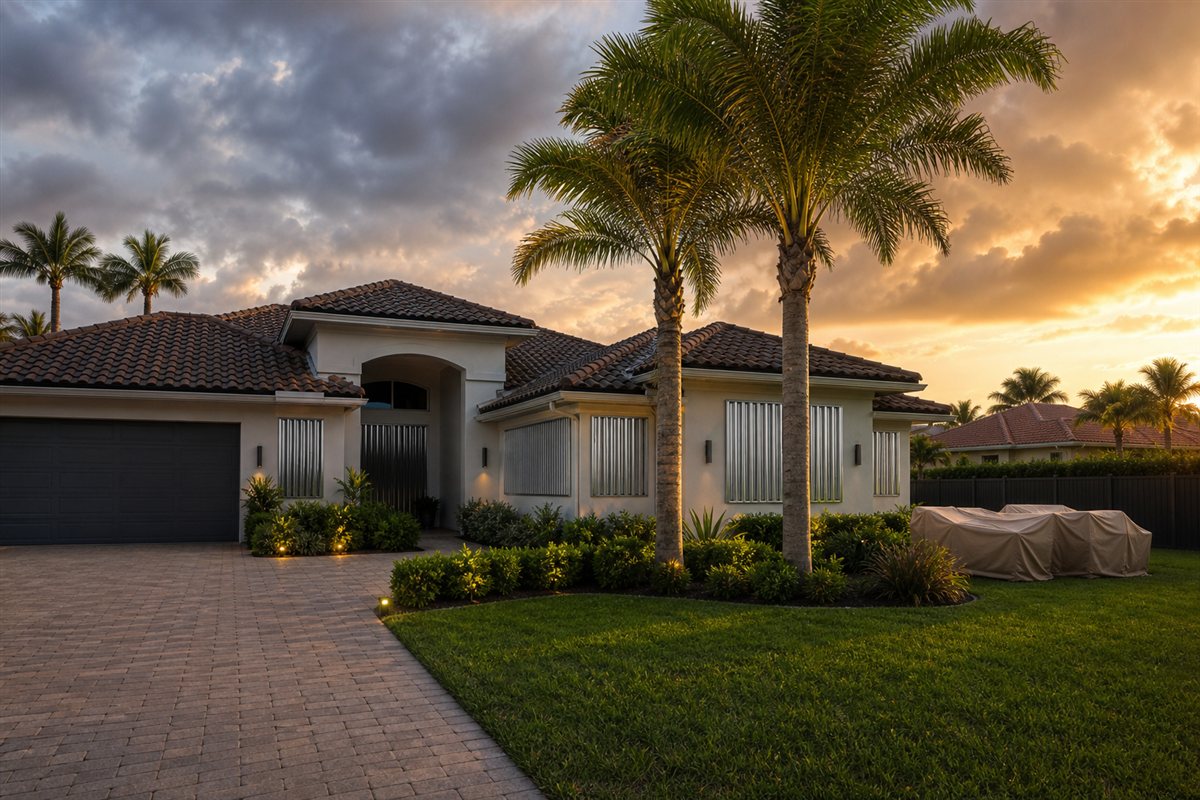
One of the biggest weak points in a South Florida home is not always the roof. It is often the openings. That means windows, exterior doors, sliding doors, and the garage door. If shutters are part of your storm plan, do not assume they are ready just because you own them. Test the panels, hardware, tracks, anchors, and locks now while stores are stocked and repair companies are not overwhelmed.
Look for missing bolts, rusted parts, cracked panels, loose fasteners, and anything that would slow you down if a storm watch were issued. If you use impact glass, inspect the frames and seals. If you rely on the garage door as a major wind barrier, confirm it closes cleanly and does not wobble or bind.
For owners of waterfront homes, opening protection matters even more because exposure to salt air and wind can wear hardware down faster. Small failures around doors and windows can turn into very expensive water intrusion once heavy wind-driven rain starts.
2. Clear gutters, drains, and the path water takes around the house
South Florida storm damage is not only about wind. Water is often the issue that creates the most disruption after the weather clears. Clogged gutters, blocked downspouts, yard debris, and poor drainage can send water toward the home instead of away from it.
Walk the property with a simple question in mind: Where will the water go if we get hours of hard rain? Clean leaves and sediment from gutters and drains. Make sure downspouts are moving water away from the foundation. Check patio drains, swales, side-yard runoff paths, and low spots where water tends to sit.
This matters in many single-family neighborhoods where yards, fences, landscaping, and older drainage patterns all affect how a property performs in wet weather. If you own a house in places like Cutler Bay, Palmetto Bay, or Homestead, this is one of the simplest and highest-value maintenance checks you can make before storm season begins.
3. Trim trees and remove outdoor items that can become projectiles
Tree maintenance is one of the most overlooked property-protection steps because it is easy to postpone when a yard still looks "good enough." But weak branches over the roof, driveway, fence line, or power service can become serious hazards in strong wind.
Trim dead limbs, remove unstable hanging branches, and cut back growth that rubs against the house. While you are outside, look for anything loose or lightweight: planters, patio chairs, umbrellas, decorative items, garden tools, sports equipment, and small storage bins. A clean, secure outdoor setup reduces damage risk and makes final pre-storm preparation much faster.
This kind of work also supports curb appeal. A home that is well maintained outside usually signals good overall ownership habits inside too. That helps protect property value, especially in competitive Miami and South Florida real estate markets where buyers pay attention to condition.
4. Inspect the roof and attic before a leak turns into a major repair
You do not need to become a roofing expert, but you should not wait for the first stain on the ceiling either. A quick pre-season roof check can catch loose tiles, worn flashing, deteriorated sealant, and debris buildup before the next major weather event tests them.
If you can inspect safely from the ground, look for visible movement, missing pieces, or uneven areas. Inside the attic, watch for moisture marks, musty smells, daylight where it should not be, or signs that insulation has been disturbed by past leaks. If something looks questionable, May is a much better time to schedule a roofer than the middle of an active storm track.
For Miami homeowners, roof condition is not only a repair issue. It can affect insurability, resale confidence, and how buyers evaluate total ownership risk.
5. Build a five-minute outdoor shutdown plan
When a storm threat becomes real, the most useful plan is often the simplest one. Create a quick outdoor shutdown routine your household can complete in a few minutes. Decide in advance where patio furniture goes, where potted plants will be moved, how outdoor trash bins will be secured, and what tools need to stay accessible.
If you own a grill, generator, or other equipment, identify the safest storage spot now. If your home has a pool, know what your storm prep steps are and which chemicals or accessories should be stored away. A written checklist taped inside a laundry room cabinet or garage door can save time and reduce mistakes when pressure is high.
6. Review insurance, flood exposure, and your home inventory
Physical prep is only part of hurricane readiness. Financial prep matters too. Use this week to review your homeowners insurance, flood coverage if applicable, and deductibles. Confirm how to access policy numbers, claims contacts, and photos of the home's condition.
Walk room by room and take updated photos or short videos. Save them in cloud storage and on your phone. Include major furniture, electronics, appliances, flooring, and any recent improvements. If you replaced windows, upgraded the roof, remodeled a bathroom, or added built-ins, keep a record of that work.
This step helps you recover faster if something goes wrong, and understand what you have invested in your home over time.
7. Test your backup comfort plan for power outages
Most South Florida homeowners think first about flashlights and bottled water, but daily comfort matters too. If the power is out for a day or more, what is your plan for charging phones, keeping medications cool, managing indoor heat, and staying informed?
Test portable battery packs, check flashlights, replace batteries, and confirm you know how to safely operate any backup equipment you own. If you use a generator, review its fuel and ventilation requirements well before an emergency. If someone in the household has medical or mobility needs, move this item to the top of your priority list.
Prepared homes are not just safer. They are more livable under stress, a meaningful quality-of-life upgrade for homeowners.
8. Know your evacuation zone and neighborhood-specific risk
Every South Florida property is different. Some homes are more exposed to flooding. Others are more vulnerable to falling branches, canal overflow, or prolonged access issues after a storm. Take a few minutes to confirm your evacuation zone, nearest shelter options, and the roads your family would actually use if guidance changed quickly.
Neighborhood context matters. A canal-front or bayfront property may face a different set of concerns than an inland home. A larger lot with mature trees may need more exterior prep than a smaller property. The better you understand your home in context, the better decisions you can make about maintenance, upgrades, and long-term planning.
Why this checklist also helps protect home value
Hurricane preparation is often framed as emergency planning, but it is also good homeownership. Clean drainage, stronger openings, documented maintenance, healthy trees, and a well-managed roof all support the long-term condition of the property. Those same habits can improve buyer confidence later, reduce deferred maintenance costs, and help your home present better when it matters most.
In other words, storm prep is not separate from property value. In Miami and South Florida, it is part of it.
Final thought
The smartest hurricane-season prep happens before anyone is talking about a cone map. With June 1, 2026 just ahead, now is the time to take a careful walk around your home, fix the easy things, schedule the important ones, and make a calm plan before the season gets busy.
If you are thinking about buying, selling, improving, or understanding the value of your home in Miami or South Florida, contact William Gartin with eXp Realty at 305-842-6097 or visit williamgartinrealestate.com. William helps homeowners make smart real estate decisions, understand property value, and plan confidently for the future.
Categories
Recent Posts