Selling a House in Miami in 2026: How to Price, Prepare, and Negotiate
Selling a house in Miami in 2026 is not just about putting a sign in the yard and waiting for offers. Buyers are still active across Miami-Dade and Broward, but they are more selective, more payment-conscious, and more focused on insurance, condition, HOA costs, roof age, flood considerations, and total monthly cost. That means the best sellers are not simply hoping for the market to carry them. They are pricing with current data, preparing the home before photos, and negotiating with a clear plan.
As of June 4, 2026, Freddie Mac reported the average 30-year fixed mortgage rate at 6.48%. That matters because a buyer shopping for homes in Miami, Kendall, Coral Gables, Doral, Homestead, Hialeah, Hollywood, Miramar, Pembroke Pines, Fort Lauderdale, or Coral Springs is not only comparing asking prices. They are comparing monthly payments, insurance estimates, taxes, association fees, commute time, and the cost of repairs after closing.
The good news for sellers is that well-prepared homes can still stand out. The homes that struggle are usually the ones that are priced like the hottest moment of the market, photographed before they are ready, or launched without a strategy for inspection objections and buyer credits.
If you are thinking about selling in Miami-Dade or Broward, William Gartin with eXp Realty can help you compare your home against the real competition before you list. Call 305-842-6097 or visit williamgartinrealestate.com.
What Miami and Broward Sellers Need to Know Right Now
The biggest mistake a seller can make in 2026 is treating every property type the same. The South Florida market is split. A single-family home in strong condition may face a very different level of competition than a condo with a high monthly association fee or an older building with insurance and reserve questions.
MIAMI REALTORS reported on May 15, 2026 that April 2026 Miami-Dade single-family homes had 5.4 months of inventory, while existing condos had 12.9 months of inventory. In Broward, the same reporting showed 4.6 months of single-family inventory and 11 months of condo inventory. That is a major difference. Single-family homes are still closer to seller-favorable conditions, while condos face more buyer choice and more pricing pressure.
For sellers, that does not mean every single-family home can overprice. It means a strong house can still command attention when the price, condition, location, and presentation line up. It also does not mean every condo is impossible to sell. It means condo sellers need to be sharper with pricing, documentation, association details, and buyer confidence.
Price Against Today's Competition, Not Last Year's Emotion
Many South Florida homeowners remember the market when buyers were rushing, waiving terms, and stretching aggressively. That memory is powerful, but it can be expensive if it turns into the wrong list price. Buyers in 2026 are still willing to move for the right property, but they usually have more options and less patience for homes that feel mispriced.
A strong pricing strategy starts with the homes buyers can actually choose from today. If you own a single-family home in Kendall, Westchester, Miami Lakes, Cutler Bay, Hollywood, or Coral Springs, your competition may include renovated homes, homes with newer roofs, homes with impact windows, and homes with better insurance profiles. If your home is priced next to those listings but does not offer the same condition, buyers will notice quickly.
For condo sellers in Brickell, Coconut Grove, Coral Gables, Fort Lauderdale, Hollywood, or Aventura-area searches, buyers may compare the unit price, building age, monthly fees, reserves, special assessment risk, parking, rental rules, and insurance environment. In that setting, presentation matters, but documentation and pricing are just as important.
Prepare the Home Before the Listing Goes Live
The first week on the market matters. A listing gets its strongest attention when it is new, so the home should be ready before the photos, not after the first round of showings. That does not always mean a major renovation. In many cases, the best preparation is targeted, practical, and focused on buyer objections.
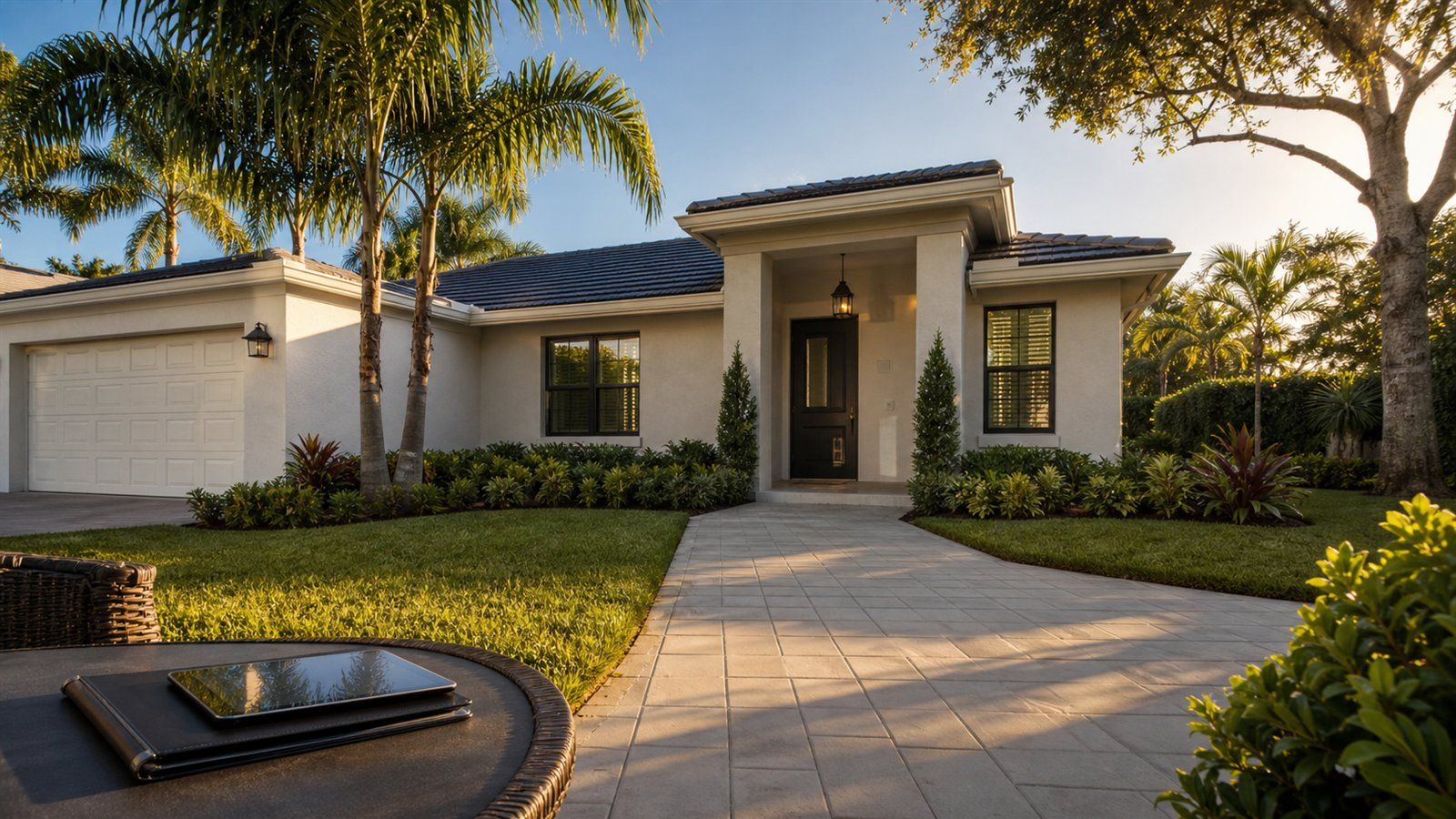
Start with curb appeal. In Miami and Broward, buyers respond to clean landscaping, pressure-cleaned driveways, trimmed palms, fresh mulch, a working front light, and an entry that feels cared for. These are not glamorous upgrades, but they shape the first impression before a buyer steps inside.
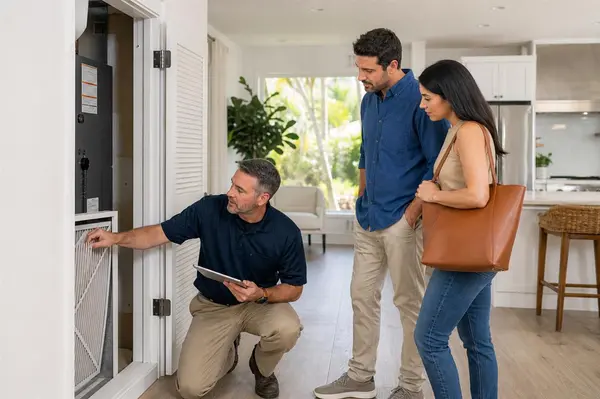
Inside the home, focus on light, cleanliness, and function. Repair obvious drywall damage, touch up paint where needed, replace burned-out bulbs, service the air conditioning if it is overdue, remove excess furniture, clean vents, organize closets, and make sure doors, windows, and fixtures operate smoothly. Buyers do not need perfection, but they do need confidence that the home has been maintained.
For South Florida homes, roof age, plumbing, electrical panels, windows, insurance history, flood zone awareness, and permit questions can become negotiation points. If you know a buyer is likely to ask, prepare your answers early. A seller who can provide clear information often negotiates from a stronger position than a seller who waits until inspection week to react.
Know What Buyers Are Watching
Today's Miami and Broward buyers are practical. They may love the kitchen, pool, or neighborhood, but they are also asking whether the numbers work. A buyer may compare your home with homes for sale in Miami, homes for sale in Broward, or nearby options that better fit their payment.
Common buyer questions include: How old is the roof? Are there impact windows? What is the insurance estimate? Is the property in a flood zone? Are there HOA restrictions? What are the monthly association fees? Are there open permits? How long is the commute to work, school, or the airport? What repairs are visible before inspection?
These questions are not obstacles if you plan for them. They are part of the market. The better your listing answers them, the easier it is for serious buyers to move forward.
Use Seller Credits Strategically
In a higher-payment environment, a seller credit can sometimes protect the deal better than a simple price reduction. That does not mean every seller should automatically offer one. It means the seller should understand the math.
For some buyers, help with closing costs or a rate-buydown structure can make the monthly payment more manageable. For others, a repair credit after inspection may be more important. The right move depends on the home, buyer financing, competing listings, and the seller's net proceeds.
A good listing strategy should include a negotiation plan before offers arrive. Decide what matters most: top price, clean terms, fast closing, fewer repair obligations, rent-back flexibility, or certainty. Once that priority is clear, the negotiation becomes less emotional and more tactical.
Market Differently by Neighborhood and Buyer Type
A home in Coral Gables may need a different marketing angle than a home in Homestead, Hialeah, Miramar, Doral, or Fort Lauderdale. The same is true for a pool home, a waterfront property, a starter home, a townhouse, or a condo near transit and restaurants.
For family-oriented single-family homes, the marketing should emphasize layout, yard space, schools nearby, parks, storage, parking, commute routes, and move-in readiness. For lifestyle-driven areas like Brickell, Coconut Grove, Coral Gables, Hollywood, and Fort Lauderdale, buyers may care more about walkability, restaurants, waterfront access, building amenities, and commute convenience. For value-focused buyers in Homestead, Cutler Bay, Sunrise, Miami Gardens, and parts of Broward, the monthly payment and condition may drive the decision.
That is why generic marketing falls flat. A seller needs a listing story that matches the buyer who is most likely to act.
When to Talk With a Miami Realtor
The best time to speak with a Realtor is before you are under pressure. If you are planning to sell this summer, before a relocation, after buying another home, or while comparing whether to rent or sell, get a pricing and preparation plan early. That gives you time to make the right improvements, collect documents, evaluate your net proceeds, and avoid rushed decisions.
William Gartin helps Miami-Dade and Broward sellers understand the local competition, prepare the home, market it properly, and negotiate with a clear strategy. If you are also buying your next place, he can help you coordinate the sale with your next home search and financing timeline.
Thinking about selling your home in Miami, Miami-Dade, or Broward? Call William Gartin with eXp Realty at 305-842-6097 or start at williamgartinrealestate.com/contact. If you want help planning your next move, you can also use this quick questionnaire: tell William what you are looking for.
FAQ: Selling a House in Miami in 2026
What is the best way to price a house in Miami in 2026?
The best list price should be based on current active competition, recent comparable sales, property condition, insurance factors, roof age, location, and buyer demand. Do not price only from last year's market or a broad online estimate.
Is 2026 a good time to sell a house in Miami?
It can be a good time to sell if your pricing and preparation match the current market. Single-family inventory is tighter than condo inventory in Miami-Dade and Broward, so property type matters.
Are Miami condos harder to sell than single-family homes?
Many condo sellers face more competition because condo inventory is higher. That does not mean condos cannot sell, but pricing, building documentation, fees, reserves, and buyer confidence are especially important.
Should I make repairs before listing my South Florida home?
Yes, if the repair removes an obvious buyer objection or helps the home photograph and show better. Focus first on maintenance, safety, visible condition, air conditioning, roof-related concerns, lighting, paint, and curb appeal.
Should Miami sellers offer buyer credits?
Sometimes. A buyer credit can help with closing costs, repairs, or payment strategy, but it should be compared against a price adjustment and your desired net proceeds.
How long does it take to sell a house in Miami-Dade or Broward?
Timing depends on price, location, condition, property type, and competition. Homes that are priced accurately and prepared well usually create stronger early activity than homes that need multiple reductions.
Who can help me sell my home in Miami or Broward?
William Gartin with eXp Realty can help you evaluate your home, compare competing listings, plan preparation, and build a selling strategy. Call 305-842-6097 or visit williamgartinrealestate.com.
Categories
Recent Posts