New Construction Homes in Miami and Broward in 2026: Builder Incentives, Timelines, and Contract Questions
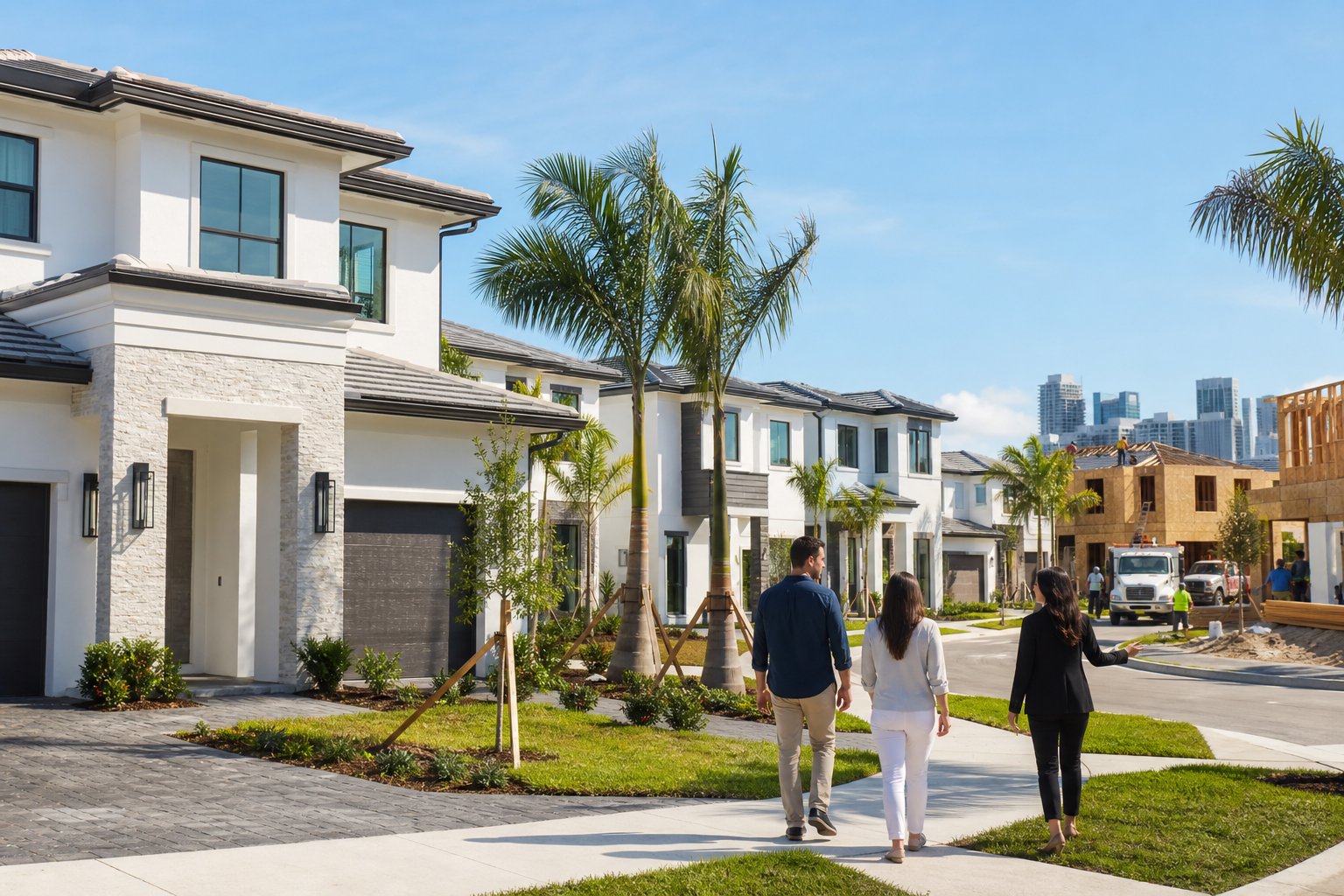
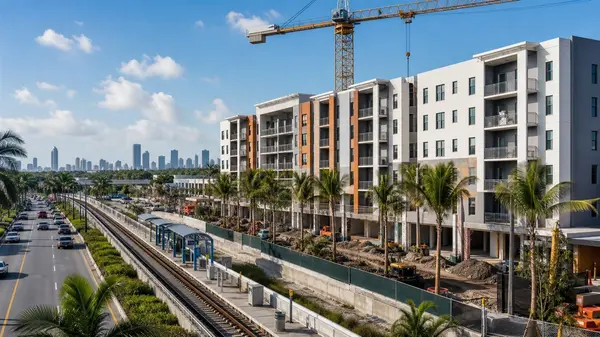
New construction homes in Miami and Broward can look simple from the outside: fresh finishes, modern floor plans, builder incentives, lower maintenance, and the appeal of being the first owner. In real life, buying new construction in South Florida takes a different strategy than buying a resale home. The contract, timeline, inspection process, insurance picture, HOA rules, financing assumptions, and upgrade costs can all change what the home really costs and how quickly you can move in.
As of June 6, 2026, buyers are shopping in a market where mortgage rates are still a major budget factor. Freddie Mac reported on June 4, 2026 that the 30-year fixed-rate mortgage averaged 6.48%, down from 6.53% the prior week. MIAMI REALTORS + RWorld also reported that April 2026 inventory conditions were split by property type: Miami-Dade single-family homes had 5.4 months of supply while existing condos had 12.9 months of supply; Broward single-family homes had 4.6 months of supply while existing condos had 11 months of supply. Those numbers matter because new construction is often competing with resale homes, townhomes, and condos, but the builder sales process is not exactly the same as a normal MLS purchase.
If you are comparing homes for sale in Miami, Broward communities, or new construction options in places like Homestead, Doral, Miami Lakes, Miramar, Pembroke Pines, Sunrise, Coral Springs, and Fort Lauderdale, the right approach is to look beyond the model home. You want to compare the monthly payment, builder contract terms, incentives, lot premiums, HOA costs, insurance, closing date risk, and resale value before you make a deposit.
Why Miami and Broward Buyers Like New Construction
New construction attracts buyers for practical reasons. Many South Florida buyers want impact windows, efficient systems, open kitchens, modern primary suites, flexible work-from-home space, and lower near-term maintenance. In newer communities, buyers may also find amenities such as clubhouses, pools, playgrounds, fitness rooms, gated access, walking paths, and managed landscaping. For families relocating to Miami-Dade or Broward, the idea of moving into a clean, finished home without immediate renovation work is powerful.
Newer homes can also feel easier to compare because the builder may have floor plans, price sheets, upgrade packages, and preferred lender incentives. That structure is helpful, but it can also create a false sense of certainty. The advertised base price is rarely the full story. The final price may include a homesite premium, elevation option, design-center selections, appliance upgrades, flooring changes, window-treatment costs, fence approvals, builder fees, HOA fees, CDD or special-district charges in some communities, and closing costs that vary by contract.
The First Question: Is The Base Price Realistic?
A model home is designed to sell the lifestyle. It may show upgraded flooring, higher-end cabinets, premium counters, designer lighting, built-ins, finished closets, outdoor features, and upgraded appliances. Buyers should ask the sales representative for a written list of what is included in the base price and what is optional. If the model feels perfect, ask how much it would cost to build that exact finish level.
This is where a Miami Realtor can help you slow the process down. A resale listing usually shows the actual home you are buying. With new construction, you may be comparing a model, a floor plan, a spec home, or a future build. The more future-based the purchase is, the more important it is to understand what you are actually locking in.
Builder Incentives Can Be Useful, But Read The Terms
Builder incentives can help buyers reduce upfront or monthly costs. Common examples include closing-cost credits, rate buydowns, appliance packages, design-center credits, or flex cash toward options. These offers can be valuable, especially when rates are in the mid-6% range, but the incentive usually comes with rules. The builder may require you to use a preferred lender, preferred title company, or specific closing timeline.
Ask for the incentive in writing and compare the full loan estimate. A builder-paid rate buydown may look attractive, but you still need to compare the interest rate, lender fees, discount points, mortgage insurance, taxes, homeowners insurance, HOA fees, and closing costs against an outside lender. The best incentive is the one that improves the full deal, not just the headline.
If you are still working through your budget, review Miami home buyer programs and run numbers through the Miami mortgage calculator before you commit to a builder deposit.
Timeline Risk Is A Real Part Of New Construction
Some new construction homes are move-in ready. Others are under construction. Others are sold before vertical construction begins. Each stage carries a different risk profile. A finished inventory home may close quickly, but you have less control over design choices. A to-be-built home may let you choose more finishes, but the timeline can shift because of permitting, materials, weather, labor, utility connections, inspections, and final certificate of occupancy timing.
In South Florida, buyers also need to think about lease expiration dates, school calendars, hurricane season, insurance binding, and moving logistics. If your current lease ends in Kendall, Hialeah, Miami Lakes, Miramar, or Fort Lauderdale on a fixed date, a delayed construction closing can create stress. Build a backup plan before you sign.
Inspection Strategy Still Matters On A Brand-New Home
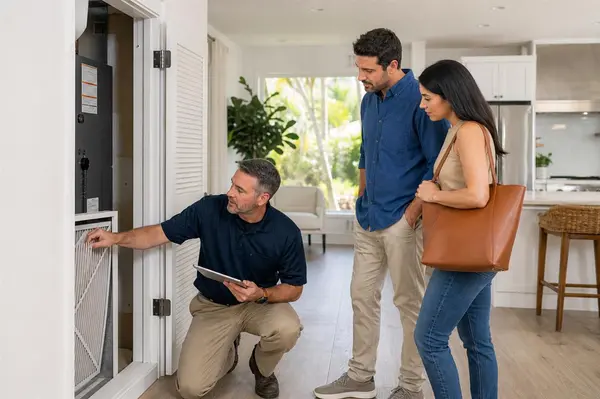
A new home is not automatically a flawless home. Buyers should ask whether the contract allows independent inspections, including a pre-drywall inspection when applicable and a final walkthrough inspection before closing. Common new-construction issues can include grading or drainage concerns, incomplete punch-list items, cosmetic damage, missing screens, appliance issues, HVAC balancing, cabinet alignment, paint or stucco imperfections, window or door adjustments, irrigation problems, and unresolved permit or utility items.
The goal is not to treat every item like a crisis. The goal is to document issues clearly and get the builder's process in writing. Ask how punch-list items are submitted, who confirms completion, what happens if something is unfinished at closing, and how warranty requests are handled after move-in.
HOA, Insurance, And Community Rules Can Change The Monthly Payment
Many new-construction communities in Miami-Dade and Broward have homeowners associations. The HOA may cover amenities, gates, common landscaping, clubhouse maintenance, exterior rules, architectural approvals, or community reserves. The fee may be low at first and change after the developer turns the association over to residents. Buyers should ask what the HOA covers, what it does not cover, whether reserves are being funded, whether future increases are expected, and what restrictions apply to rentals, parking, commercial vehicles, pets, fences, exterior colors, and short-term rentals.
Insurance also needs early attention. A new home with modern construction and impact protection can be attractive to insurers, but the quote still depends on location, flood zone, elevation, coverage limits, wind mitigation, roof type, deductible choices, and the carrier's underwriting rules. Get insurance quotes early, especially if the home is near coastal areas, canals, low-lying zones, or communities where flood insurance may be recommended or required by the lender.
Compare New Construction Against Resale Homes
New construction is one option, not the only option. In some neighborhoods, resale homes may offer larger lots, established landscaping, closer-in locations, mature schools, shorter commutes, or stronger price negotiation. In other areas, new construction may offer better layouts, energy features, lower renovation needs, and a cleaner closing experience.
For example, a buyer comparing Homestead and Florida City may care about new inventory, yard size, commute routes, insurance, and future growth. A buyer comparing Doral and Miami Lakes may weigh school access, commute convenience, HOA costs, and resale demand. A Broward buyer comparing Miramar, Pembroke Pines, Sunrise, and Coral Springs may look at monthly payment, commute to Miami-Dade, school boundaries, amenity fees, and how much house is available at the target budget.
Use the Miami market snapshot to watch inventory and pricing direction, then compare live options on the property search page.
Questions To Ask Before Signing A Builder Contract
Before signing, ask these questions in writing:
- What is included in the base price, and what shown in the model is upgraded?
- What is the estimated closing timeline, and what happens if construction is delayed?
- Is the deposit refundable under any circumstances?
- Can I use my own lender, title company, inspector, and Realtor?
- What builder incentives are available, and what conditions apply?
- What are the current and projected HOA fees?
- Are there rental, parking, pet, vehicle, or exterior modification restrictions?
- What warranties apply, and how are warranty claims submitted?
- What inspections are allowed before closing?
- Are there lot premiums, CDD fees, special assessments, or mandatory memberships?
How William Gartin Helps New-Construction Buyers
Builder sales teams represent the builder. A buyer should have guidance focused on the buyer's goals, budget, timing, and risk. William Gartin helps buyers compare new construction against resale homes, understand neighborhood tradeoffs, review monthly-payment assumptions, prepare questions for the builder, and stay grounded before making a deposit.
If you want new listings, builder opportunities, and resale homes sent to you daily, start with the buyer questionnaire or contact William Gartin with eXp Realty at 305-842-6097. You can also speak with a Miami Realtor directly through williamgartinrealestate.com.
FAQ: New Construction Homes In Miami And Broward
Are new construction homes in Miami more expensive than resale homes?
Not always, but the base price can be misleading. Compare the final price after lot premiums, upgrades, HOA fees, insurance, builder fees, closing costs, and financing terms.
Should I use the builder's lender?
Sometimes the builder's lender offers useful incentives, but compare the full loan estimate against outside lenders. Look at rate, fees, points, credits, mortgage insurance, and cash needed to close.
Can I have a Realtor when buying from a builder?
Yes, buyers can usually have their own Realtor, but the Realtor often needs to be registered with the builder early in the process. Ask before touring or signing anything.
Do I still need an inspection on a brand-new home?
Yes. New homes can have punch-list items, incomplete work, drainage issues, cosmetic defects, appliance problems, or warranty items. Ask what inspections are allowed before closing.
What should I ask about HOA fees in a new community?
Ask what the fee covers, whether reserves are being funded, when the association turns over from the developer, and whether future fee increases or restrictions are expected.
Are builder deposits refundable in Florida?
Refundability depends on the written contract. Review the deposit terms carefully before signing, especially if the home is still under construction or your financing is not final.
What areas have new construction options near Miami and Broward?
Buyers often compare Homestead, Florida City, Doral, Miami Lakes, Miramar, Pembroke Pines, Sunrise, Coral Springs, and parts of Fort Lauderdale depending on budget, commute, schools, and lifestyle.
Sources Checked June 6, 2026
Categories
Recent Posts