Miami Real Estate News for June 5, 2026: World Cup Mobility, Stadium-Area Demand and Rates
Miami real estate news for Friday, June 5, 2026 is bigger than a single sale or one new tower. Today, the most important local signal is mobility: how Miami-Dade is preparing for global event traffic, how stadium-area activity is pulling more attention toward key corridors, and how transportation access is becoming part of the real estate conversation.
For buyers, sellers, homeowners, and investors, this is the kind of news that matters before it shows up in a comp report. Neighborhood demand is shaped by convenience, commute patterns, weekend traffic, event visibility, and whether a place feels easy or difficult to live in day after day.
World Cup transportation is now a real estate story
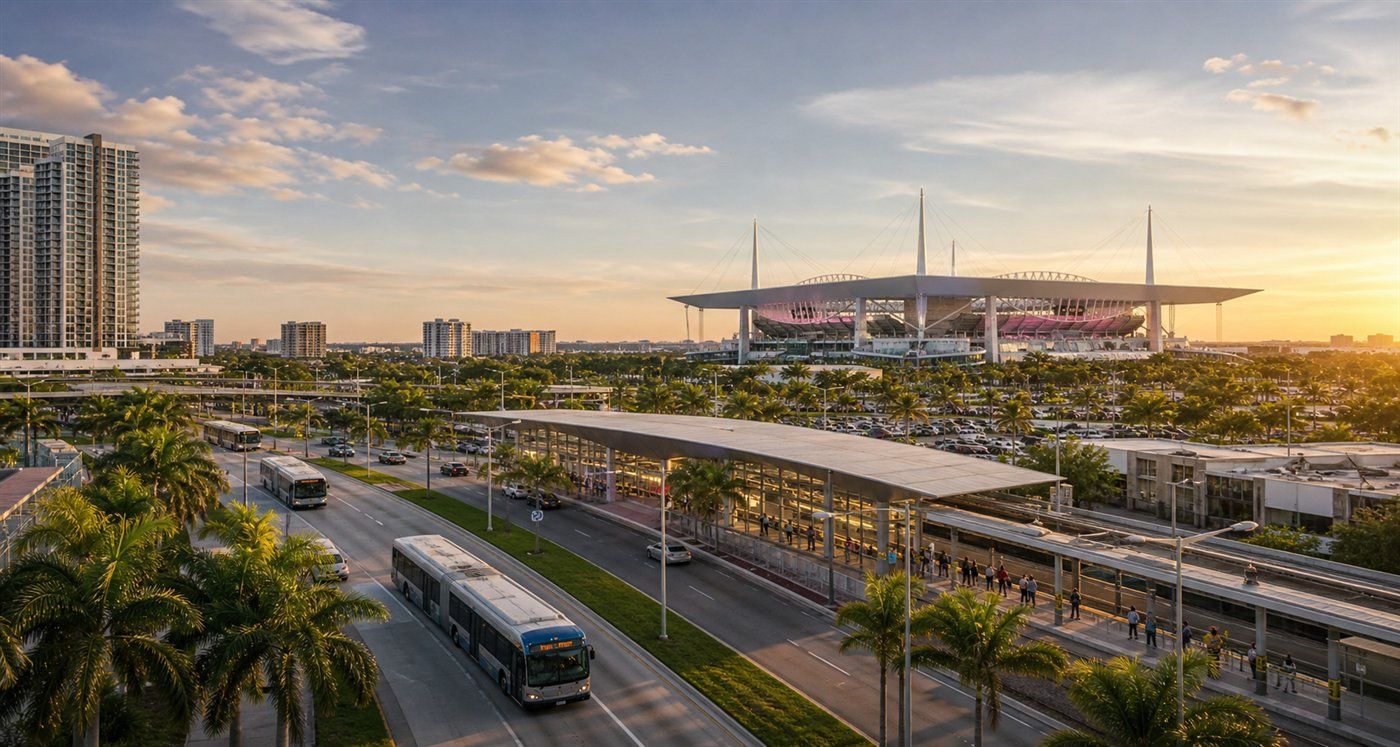
Miami-Dade County has outlined a World Cup mobility approach centered on transit use, regional connections, and free game-day shuttles for verified ticket holders. The county identified key hubs including Golden Glades Intermodal Station, and Brightline is directing match-day riders to Aventura Station for access to the Miami stadium district.
That matters beyond soccer. Golden Glades, Aventura, Miami Gardens, Downtown Miami, and the bayfront are all part of the same practical question: how easily can residents, visitors, and workers move around Miami when demand surges?
Real estate follows convenience. A neighborhood that handles major-event traffic well can feel more connected and more livable. A neighborhood that becomes hard to enter, exit, or park in can create friction for residents, tenants, shoppers, and short-term guests.
Nu Stadium and Miami Freedom Park bring more attention to the airport-area corridor
Inter Miami is using Nu Stadium as part of its 2026 event calendar, including the June 5 Haiti versus Peru match. At the same time, the larger Miami Freedom Park story continues to draw attention to the area around Miami International Airport, the Dolphin Expressway, Blue Lagoon, Grapeland, and nearby residential neighborhoods.
For Miami real estate, the takeaway is not just the stadium itself. It is the surrounding pressure: hotel demand, rideshare movement, restaurant activity, road capacity, noise, parking, and how residents feel about access on event days.
Anyone watching homes or investment property near Flagami, Grapeland Heights, Blue Lagoon, Coral Terrace, West Miami, and the airport-adjacent commercial corridors should pay attention to this next chapter. Stadium districts can create visibility and demand, but they also require careful planning for traffic and quality of life.
Brightline and transit hubs keep changing the map
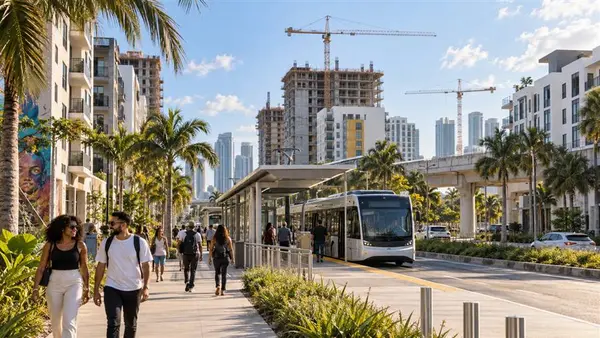
Brightline's World Cup guidance points fans toward Aventura Station for stadium access and MiamiCentral for the FIFA Fan Festival at Bayfront Park from June 13 through July 5. Even if you are not attending a match, this tells us something about the future of Miami-area movement: rail stations and transfer hubs are becoming more important to how people choose where to stay, work, and live.
For buyers, this can affect value in two directions. Proximity to transit can be a major lifestyle advantage, especially for commuters and renters. But being too close to a high-traffic event corridor can also mean more noise, parking pressure, and congestion. The right answer depends on the exact block, the building, the parking situation, and the daily routine.
Rates eased slightly, but affordability is still tight
Freddie Mac's June 4 Primary Mortgage Market Survey put the average 30-year fixed-rate mortgage at 6.48%, down from 6.53% the prior week and below 6.85% a year earlier. The 15-year fixed averaged 5.79%.
That helps, but Miami affordability is still being shaped by insurance, property taxes, association dues, reserves, special assessments, and income qualification. A small rate dip can bring some buyers back into the market, but it does not erase the need for disciplined pricing and careful monthly-payment analysis.
Miami-Dade taxable values are still worth watching
The Miami-Dade Property Appraiser's June 1 estimates put countywide taxable value at $540.7 billion, up 5.5% from 2025. Growth has cooled compared with the prior year, but values are still moving higher.
For homeowners, that makes the July 1 certification and August TRIM notices worth watching. For buyers, it is another reminder to understand how taxes can reset after purchase, especially when the previous owner benefited from years of homestead protection.
What Miami residents should watch next
Here is the practical watch list for the next few weeks:
- How World Cup shuttles and transit hubs perform around Miami Gardens, Aventura, Golden Glades, Downtown Miami, and Bayfront Park.
- Whether stadium-area traffic changes buyer or renter perception near the airport, Flagami, Blue Lagoon, and West Miami.
- How sellers respond if lower mortgage rates create more buyer activity.
- Whether July property-value certification changes local tax and budget conversations.
- Which buildings and neighborhoods benefit from better access, and which feel more pressure from event traffic.
Miami real estate is local down to the block, the building, the tax record, and the commute. William Gartin Real Estate is tracking the daily details that shape how people actually live in South Florida, not just the listing headlines. If you are buying, selling, relocating, or trying to understand what Miami's next wave of growth means for your property, reach out and let's look at the market with clear, local context.
Sources
Categories
Recent Posts