Buying a House in Miami in 2026: Flood Zones, Insurance, and Rainy-Season Questions to Ask
Updated June 15, 2026.
Buying a house in Miami or Broward is not just about the purchase price, the bedroom count, or whether the kitchen has been renovated. In South Florida, smart buyers also look at flood zones, insurance quotes, roof age, drainage, elevation, condo association coverage, and how the property handles heavy summer rain. Those details can affect your monthly cost, your closing timeline, your comfort after moving in, and your negotiating strategy before you ever submit an offer.
This is especially important during the 2026 Atlantic hurricane season. NOAA's Climate Prediction Center outlook for the 2026 North Atlantic season, released on May 21, 2026, calls for a below-normal season as the most likely outcome, with a 55% chance of below-normal activity, a 35% chance of near-normal activity, and a 10% chance of above-normal activity. But the same NOAA outlook still projects 8 to 14 named storms, 3 to 6 hurricanes, and 1 to 3 major hurricanes. In plain English: a quieter forecast does not mean Miami buyers should ignore storm and flood due diligence.
That does not mean you should be afraid to buy in Miami-Dade or Broward. It means you should buy with a better checklist. A good Miami Realtor should help you compare neighborhoods, property types, insurance questions, lender requirements, and inspection findings before you are locked into a contract. William Gartin with eXp Realty helps buyers across Miami, Miami-Dade County, Broward County, Fort Lauderdale, Kendall, Coral Gables, Doral, Homestead, Hialeah, Miramar, Pembroke Pines, Hollywood, and nearby South Florida markets make those comparisons clearly.
Why flood and insurance questions matter before you make an offer
Many buyers start with the fun questions: How close is the home to work? Is the backyard big enough? Can I update the floors? Is there room for guests? Those questions matter, but South Florida buyers also need to understand the hidden cost questions that may not be obvious in the listing photos.
FEMA explains that most homeowners insurance does not cover flood damage. Flood insurance is a separate policy that can cover the building, the contents, or both. FloodSmart also notes that flood insurance is specific to flooding because most homeowners policies do not cover flood damage. That distinction matters in Miami because a buyer can have homeowners insurance, windstorm coverage, and still need to evaluate flood coverage separately.
Flood insurance can also affect your loan approval. If a lender determines that a property is in a high-risk flood area and the loan type requires flood coverage, the lender may require an acceptable flood policy before closing. Even when flood insurance is not lender-required, many buyers still want to quote it so they understand their true risk and monthly budget.
Start with the flood map, but do not stop there
The FEMA Flood Map Service Center is the official public source for flood hazard information produced for the National Flood Insurance Program. Buyers can search a property address to review the official flood map and related flood hazard products. That is a smart first step, but it should not be the only step.
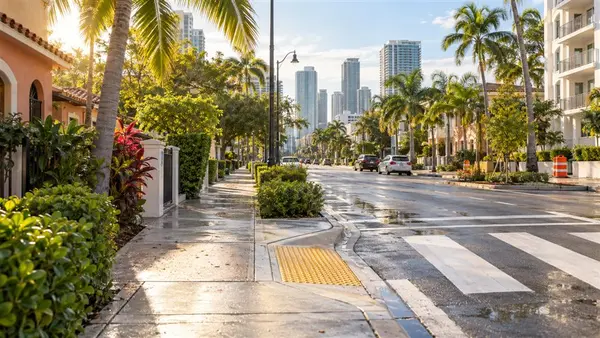
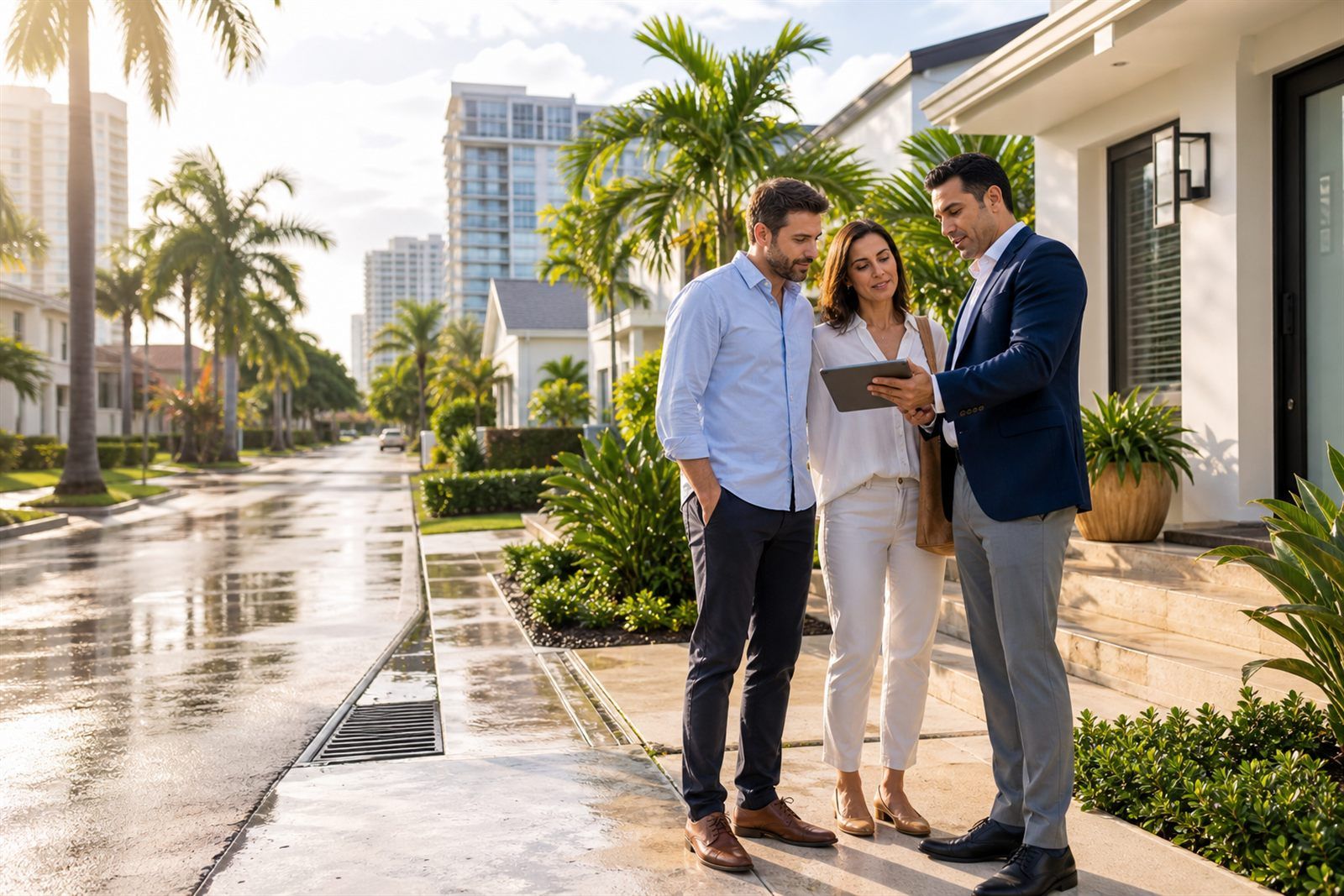
In Miami and Broward, real-world conditions can vary block by block. A home may sit in a mapped zone that looks manageable, but the street may still collect water after heavy rain. Another property may be outside a high-risk flood zone, but poor grading, clogged drainage, low driveway design, old doors, or an aging roof may create recurring moisture problems. A buyer should use the map, then combine it with property-level observation.
When touring homes, pay attention to driveway slope, street drainage, porch height, landscaping grade, water stains, patched drywall, musty smells, baseboard swelling, roof age, gutters, exterior caulking, and whether patios or side yards direct water away from the structure. These details are not always deal breakers, but they help you ask better questions during inspection and negotiation.
Questions Miami buyers should ask before the inspection period ends
The inspection period is where buyers should move from excitement to verification. A strong offer strategy is not just about winning the property; it is about keeping enough time and leverage to understand the home.
Ask your insurance agent for quotes as early as possible. Do not wait until the week of closing. Get quotes for homeowners insurance, windstorm coverage when applicable, flood insurance if needed or desired, and condo or townhome policy requirements if the property is in an association. If the insurance quote is much higher than expected, you need to know that before your deposit is at risk.
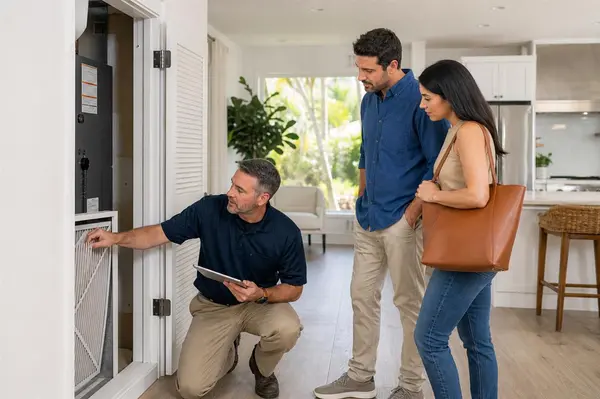
Ask the inspector to pay close attention to moisture indicators, roof condition, windows, doors, drainage, electrical panel location, garage or storage areas, AC drainage, and prior repairs. If the property has additions, enclosed patios, converted garages, or older flat-roof sections, those areas deserve extra attention. For condos and townhomes, review association documents, insurance summaries, reserve information, roof/building responsibilities, and any pending assessments.
How this differs by property type
Single-family homes
Single-family buyers have more direct control, but also more direct responsibility. You may be responsible for the roof, gutters, drainage, landscaping, exterior walls, windows, doors, flood insurance, and storm preparation. That makes due diligence especially important in places like Kendall, Westchester, Homestead, Cutler Bay, Miami Gardens, Hialeah, Miami Lakes, Doral, Hollywood, Miramar, Pembroke Pines, and Fort Lauderdale.
For a single-family home, ask about roof age, permits, wind mitigation credits, 4-point inspection concerns, prior flood claims if available, elevation information when relevant, and whether any low areas hold water. If a home has no HOA, you may have more flexibility to improve drainage, replace doors, install impact windows, or upgrade landscaping, but the cost is also yours.
Condos and townhomes
Condos and townhomes can simplify some exterior maintenance, but they add association-level due diligence. Buyers should understand what the association covers, what the owner covers, how insurance is structured, whether there are reserves, and whether any assessments are pending. A lower purchase price can become less attractive if the monthly association cost, insurance exposure, or building condition creates uncertainty.
In coastal or waterfront areas of Miami and Broward, association documents matter. Review building insurance, flood coverage, maintenance history, roof or structural work, parking areas, lobby and garage drainage, and whether the building has upcoming projects. For buyers searching homes for sale in Miami or Broward condos, these questions should be part of the search process, not an afterthought.
Neighborhood examples across Miami-Dade and Broward
Flood and insurance due diligence looks different depending on where you are buying. A buyer comparing Coral Gables, Coconut Grove, Brickell, Doral, Homestead, and Hialeah may be looking at very different property ages, elevation patterns, HOA rules, and commute patterns. A Broward buyer comparing Hollywood, Miramar, Pembroke Pines, Sunrise, Coral Springs, and Fort Lauderdale may face a different mix of condo associations, single-family subdivisions, waterfront areas, and insurance considerations.
Fort Lauderdale is a good example. Buyers may be attracted to downtown access, Las Olas, beach proximity, Brightline access at 101 NW 2nd Avenue, waterfront living, and Broward County lifestyle. But a buyer should still compare insurance quotes, HOA documents, flood maps, parking areas, dock or seawall responsibilities when applicable, and commute patterns before deciding which property is the best fit.
How to use this information in your offer strategy
The goal is not to overload the offer with fear. The goal is to be practical. A buyer who understands flood zones, insurance, and rainy-season performance can write a stronger offer because they know which issues are normal, which issues require specialist review, and which issues may justify renegotiation.
For example, if a home has an older roof and the insurance quote comes back high, you may need to evaluate seller credits, price adjustments, roof replacement timing, or whether the home still fits your monthly budget. If a condo association has low reserves or pending work, you need to decide whether that risk is acceptable before closing. If a street holds water during normal afternoon storms, you may want to visit the property after rain before final approval.
Working with a local Realtor matters because the right questions can save time. William Gartin and his team help buyers compare homes, neighborhoods, property types, insurance questions, and the real monthly cost of owning in Miami-Dade and Broward. If you are still early in the process, you can also review Miami home buyer programs and start a custom search for the right properties.
Buyer checklist before you move forward
- Search the property address through the FEMA Flood Map Service Center.
- Ask your lender whether flood insurance will be required for your loan.
- Quote homeowners, windstorm, and flood insurance early.
- Review roof age, permits, 4-point inspection concerns, and wind mitigation credits.
- Walk the exterior and look for grading, drainage, and moisture clues.
- For condos and townhomes, review association insurance, reserves, assessments, and owner responsibilities.
- Compare the full monthly payment, not just the purchase price.
- Ask William Gartin to help you compare Miami-Dade and Broward options before you write the offer.
Ready to buy with a smarter plan?
If you are looking for homes in Miami, Miami-Dade County, Broward County, Fort Lauderdale, Kendall, Doral, Homestead, Coral Gables, Coconut Grove, Hialeah, Miramar, Pembroke Pines, Hollywood, Sunrise, or nearby South Florida markets, William Gartin can help you compare properties with a practical local lens.
Want to know what homes you may qualify for and which areas fit your budget, lifestyle, and risk profile? Call William Gartin with eXp Realty at 305-842-6097, visit williamgartinrealestate.com, or start the buyer questionnaire here: Miami buyer questionnaire.
FAQ: Buying a house in Miami, flood zones, and insurance
Do I need flood insurance when buying a house in Miami?
It depends on the property, lender, flood zone, and your personal risk tolerance. Most homeowners insurance does not cover flood damage, so Miami buyers should quote flood insurance early and confirm lender requirements before the inspection period ends.
How do I check whether a Miami home is in a flood zone?
Use the FEMA Flood Map Service Center to search the property address, then verify the result with your lender, insurance agent, and Realtor. The map is a starting point, but buyers should also review property-level drainage, elevation, roof condition, and past moisture clues.
Can a home outside a high-risk flood zone still flood?
Yes. Heavy rain, poor drainage, low grading, blocked storm drains, roof problems, and storm surge conditions can create risk outside mapped high-risk areas. Buyers should evaluate both the official map and the physical condition of the property.
When should I get insurance quotes during the buying process?
Get quotes as early as possible after going under contract, and ideally before your inspection period ends. Waiting until the week of closing can create stress if the premium is higher than expected or if the lender needs additional documentation.
What should I ask the inspector to check during rainy season?
Ask the inspector to focus on roof condition, windows, exterior doors, gutters, grading, drainage, patios, AC drainage, garage areas, water stains, musty odors, and prior moisture repairs. Those details can affect insurance, repairs, and negotiation.
Are condos safer than single-family homes for flood risk?
Not automatically. Condos may shift some exterior responsibilities to the association, but buyers still need to review building insurance, reserves, assessments, parking and garage areas, common-area drainage, and owner coverage requirements.
Should I buy in Miami-Dade or Broward if insurance costs worry me?
Both markets can work, but you should compare property type, location, flood zone, roof age, HOA fees, lender requirements, and insurance quotes. William Gartin can help you compare Miami-Dade and Broward homes based on your full monthly cost and lifestyle fit.
Sources
Categories
Recent Posts