Buying in Kendall in 2026: What Your Escrow Deposit Really Means
In a South Florida offer, the escrow deposit can feel like one more blank on the contract. It is not. It is the money that tells the seller you are serious, and it is also one of the first places a buyer can get hurt if deadlines are missed or the offer is written without a clear strategy.
This matters in Kendall, Cutler Bay, Pembroke Pines, Weston, and across Miami-Dade and Broward because buyers are often trying to look strong without taking unnecessary risk. According to the May 15, 2026 MIAMI REALTORS April 2026 Miami-Dade report, total Miami-Dade home sales rose 5.6% year over year, and the county's single-family median sale price was $670,000. The same day, MIAMI REALTORS reported that Broward County total home sales rose for a second consecutive month. In other words, serious buyers still need clean, credible offers.
What Is An Escrow Deposit?
An escrow deposit, often called an earnest money deposit, is money a buyer puts up after a seller accepts an offer. The money is held by a neutral escrow holder, such as a title company, attorney, or sometimes a brokerage escrow account, depending on the contract and the parties' agreement.
The National Association of REALTORS consumer guide on escrow and earnest money explains that earnest money is part of the purchase process and is not the same thing as the buyer's down payment. In many transactions, the deposit is credited back to the buyer at closing and becomes part of the money needed to complete the purchase. If the transaction does not close, what happens next depends on the contract, the reason the deal failed, and whether the parties agree on how the deposit should be released.
Why Sellers Care About The Deposit
A seller wants to know that the buyer is committed. A thoughtful escrow deposit can help show that commitment. But bigger is not automatically better. A buyer should understand the inspection period, financing contingency, appraisal contingency, condo or HOA approval requirements, and closing timeline before deciding how much money to place at risk.
For example, a buyer shopping single-family homes in Kendall may be competing with other buyers who are also pre-approved and ready to move. A stronger deposit may help the offer feel more serious, but only if the buyer can actually deliver the funds on time and understands the contract deadlines.
How The Escrow Timeline Usually Works
Every offer should be reviewed based on the actual contract, but the practical flow often looks like this:
- The offer is accepted. The contract identifies the deposit amount, due date, and escrow holder.
- The buyer sends the deposit. The buyer should follow written wiring or payment instructions only after independently confirming them with a trusted contact.
- The escrow holder confirms receipt. Keep proof of delivery, wire confirmation, receipt, or cleared check details.
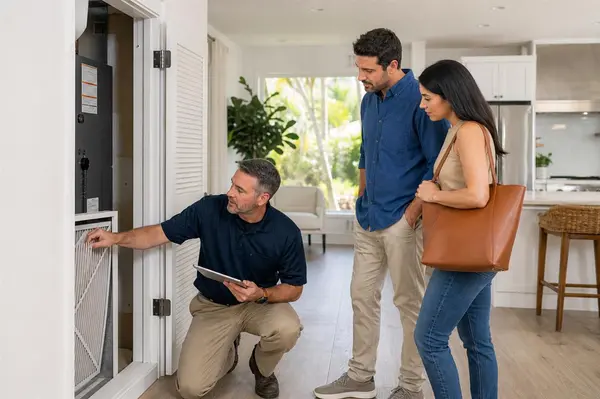
- The buyer completes due diligence. This may include inspections, insurance quotes, lender conditions, appraisal, HOA or condo review, and title work.
- The deposit is credited or released. If the purchase closes, the deposit is typically credited on the settlement statement. If the contract is cancelled, release of the money depends on the contract and any required written instructions.
Florida escrow handling has specific rules for licensees. Florida Realtors' summary of Florida escrow laws and rules notes that an associate or broker-associate must deliver an escrow deposit to the broker by the end of the next business day after receiving it, and a broker must deposit escrow funds within the required business-day timeframe. Florida law also addresses how brokers must handle funds entrusted to them in connection with a transaction, including escrow placement under Section 475.25, Florida Statutes.
What Can Put The Deposit At Risk?
The biggest risk is not the deposit itself. The risk is misunderstanding the contract. Buyers can create problems when they miss an inspection deadline, ignore financing conditions, forget about an additional deposit after the inspection period, or assume they can cancel at any time for any reason.
Some contracts give buyers strong inspection rights during a specific inspection period. Some financing protections depend on strict timelines and notices. Some condo and HOA purchases add separate approval steps. The details matter, and a licensed real estate professional, lender, title company, and when needed an attorney should review the buyer's specific situation.
Common Escrow Deposit Mistakes To Avoid
- Confusing escrow with the down payment. The deposit is usually credited at closing, but it is not a separate replacement for the full down payment and closing costs.
- Offering more than you can comfortably risk. A strong offer still needs to be financially responsible.
- Missing the deposit deadline. Late deposits can create unnecessary conflict and may weaken the buyer's position.
- Wiring money without verification. Wire fraud is a real risk. Always confirm instructions through a trusted phone number before sending funds.
- Ignoring the second deposit. Some offers include an initial deposit and an additional deposit after the inspection period.
- Assuming a refund is automatic. If the deal cancels, the escrow holder may need proper written authorization before releasing funds.
The Miami-Dade And Broward Connection
In South Florida, escrow strategy is local. A buyer looking in Kendall may be balancing school zones, commute routes, insurance costs, and home condition. A buyer comparing Pembroke Pines homes or Weston homes may be dealing with HOA timelines, association applications, and lender documentation. A buyer considering older condos or townhomes may need extra time to review budgets, reserves, assessments, and insurance.
The right deposit is not just a number. It should fit the buyer's pre-approval, cash available for closing, inspection plan, financing timeline, and the seller's priorities. It should also be paired with a clear calendar so the buyer knows exactly when each decision has to be made.
What William Gartin Recommends
Before making an offer, I recommend that buyers slow down long enough to answer four questions: How much deposit can you comfortably send? When is it due? Who is holding it? What deadlines protect you if the inspection, appraisal, financing, insurance, title, HOA, or condo approval process reveals a problem?
For financed buyers, escrow strategy should be discussed with the lender before the offer is written. William can connect buyers with phenomenal lenders, including Joel Gonzalez with MOR Lending, when financing guidance is helpful. Rules, loan programs, and underwriting requirements can change, so buyers should confirm their specific numbers with a licensed mortgage professional.
If you are planning to buy in Kendall, Miami-Dade, Broward, or anywhere in South Florida, get clear before you submit the offer. A good escrow strategy can help you look serious to the seller while still protecting your money and your decision-making window.
Ready to talk through your next move?
William Gartin Real Estate
eXp Realty
305-842-6097
williamgartinrealestate.com
Facebook
Start the buyer questionnaire
Categories
Recent Posts