How to Reduce Humidity Inside Your Miami Home During South Florida's Rainy Season

Once the afternoon downpours return, a Miami home can feel bright and breezy at 10 a.m. and a little clammy by dinner. That shift is part of life in South Florida, but it does not mean homeowners have to settle for musty closets, foggy windows, or rooms that feel heavy and closed in. A stylish home can still be a dry, comfortable home.
This matters right now because the National Weather Service says South Florida's rainy season runs from May 15 through October 15, and the period is defined by consistently high moisture, daily thunderstorm patterns, and 60% to 70% of the region's annual rainfall. The National Hurricane Center notes that Atlantic hurricane season begins June 1 and runs through November 30, which means this is also the time of year when homeowners start paying closer attention to leaks, condensation, and indoor air quality.
If your goal is to keep your home feeling fresh, elevated, and ready for real life in Miami-Dade or Broward, the best approach is not just lowering the thermostat. It is designing and maintaining your spaces in a way that works with South Florida's climate instead of fighting it.
Why This Matters for Miami and South Florida Homes
Humidity shows up differently here than it does in many other markets. In a Miami condo, it can make closets feel stale and cause fabrics to hold on to odors. In a single-family home, it can show up around exterior doors, garage walls, laundry rooms, or any space where air flow is weak. Add in salt air, heavy summer rain, and long stretches of air-conditioning season, and even well-kept homes can start to feel less crisp than they look in photos.
The style side matters too. One of the strongest 2026 design directions is a more breathable, outdoor-inspired interior. House Beautiful highlighted alfresco inspiration as a trend built around natural materials, woven textures, stone, and rooms that feel grounded and airy. That idea fits Miami beautifully, but in South Florida it works best when the materials are also practical for a hot, humid climate.
The Style Trend or Home Idea
If you want a home that feels polished during rainy season, think in terms of lightness, air flow, and easy-care texture. Instead of overfilling a room, let it breathe. Instead of thick, moisture-grabbing layers, choose finishes that stay clean and cool.
That can mean sheer drapery instead of heavy blackout panels in living spaces, low-pile rugs instead of shag, woven accents that add texture without visual heaviness, and performance fabrics that can handle humid days and frequent entertaining. In many Miami homes, porcelain tile, large-format stone-look surfaces, limey neutrals, pale woods, and soft botanical accents create the kind of calm indoor-outdoor feeling people love right now without making the home harder to maintain.
The goal is not to make everything look clinical. It is to make the home feel fresh, edited, and resilient.
Practical Ways to Bring This Into Your Home
- Start with a humidity check. The EPA recommends keeping indoor humidity low and ideally between 30% and 50%, with anything below 60% as the key threshold. A simple humidity meter can tell you whether the room feels damp because of temperature, moisture, or both.
- Use your air-conditioning system correctly. The U.S. Department of Energy notes that air conditioners dehumidify as they cool, but in very humid climates they may still struggle, especially if settings are not ideal. DOE recommends setting the fan to auto instead of on so the system is not pushing moisture back through the house between cooling cycles.
- Run bathroom and kitchen exhaust fans consistently. Moisture from showers, cooking, and laundry adds up quickly in South Florida homes, especially in smaller condos and townhomes.
- Act fast when something gets wet. The EPA says water-damaged areas and items should be dried within 24 to 48 hours to help prevent mold growth. That applies to bath mats, drywall near a leak, closet shelving, and even damp storage boxes.
- Give closets and large furniture a little breathing room. Pushing everything tightly against an exterior wall can trap stale air, especially in bedrooms that stay cool and dark most of the day.
- Watch indoor plants and decorative greenery. UF/IFAS guidance says to avoid overwatering indoor plants and to keep humidity below 60%, which is a helpful reminder in homes where tropical styling is part of the look.
Budget-Friendly Ideas
You do not need a major renovation to make a humid home feel better.
- Add a small hygrometer in the primary bedroom, living room, or laundry area so you can spot problem rooms early.
- Swap heavy curtains for washable linen-look panels or sheers that still soften the room but allow better light and air movement.
- Use lidded baskets, elevated shelving, and edited closet storage so towels, shoes, and guest linens are not packed too tightly.
- Replace old bath rugs and entry mats with quicker-drying, lower-profile options that hold less moisture.
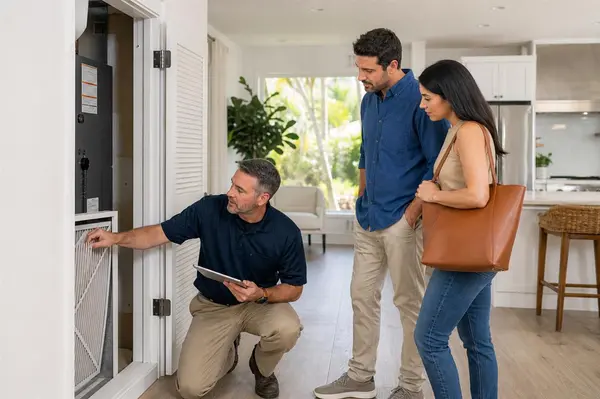
- Schedule an HVAC drain-line and drip-pan check before summer settles in. It is not glamorous, but it is one of the easiest ways to prevent a comfort problem from turning into a repair issue.
Upgrades That Can Make a Bigger Impact
For homeowners planning a bigger refresh, a few upgrades can improve comfort and make the home feel more current at the same time.
- A variable-speed HVAC system or a dedicated whole-home dehumidifier can create more even comfort, especially in larger homes or properties with rooms that always feel cool but damp.
- New or upgraded bathroom exhaust fans can quietly remove moisture faster and make older baths feel more functional.
- Tile, porcelain, and other humidity-friendly flooring can be easier to maintain than moisture-sensitive materials in entryways, first floors, and busy family spaces.
- Better-sealed windows and doors may help reduce unwanted moisture intrusion while also helping the home feel cleaner and quieter.
Before spending heavily, it is smart to match the upgrade to the home, the neighborhood, and your long-term plans. Every property is different, and some improvements help daily comfort more than resale while others can support both.
How This Can Help When Selling a Home
Humidity control is not just a maintenance issue. It also affects buyer perception.
When a home smells fresh, closets feel dry, bathrooms look clean, and fabrics feel crisp, buyers often read the property as better cared for. That can help showings feel more comfortable, support stronger first impressions, and make listing photos look brighter and more inviting. On the other hand, a slightly musty room or visible condensation can distract buyers quickly, even if the home is otherwise beautifully designed.
That does not mean every humidity-related upgrade automatically raises value. It may help a home show better and feel more move-in ready, but the payoff depends on the property, price point, and what buyers in that area expect. Before taking on a large project, it helps to talk through what is worth doing now and what may be unnecessary.
Final Thoughts from William Gartin Real Estate
In South Florida, comfort is part of good design. A home that feels airy, dry, and easy to maintain usually feels more luxurious too, even when the updates are simple. With the rainy season now underway, this is a smart time to make small adjustments that help your home look better, function better, and stay ready for the way we live in Miami.
Whether you are updating your home for your own enjoyment or preparing to sell in the future, small design choices and smart improvements can make a big difference in how a home feels. If you are thinking about buying or selling a home in Miami, Miami-Dade, Broward, or anywhere in South Florida, William Gartin and his team can help you understand what buyers notice, what upgrades may matter, and how to make smart real estate decisions.
William Gartin Real Estate
eXp Realty
305-842-6097
williamgartinrealestate.com
Facebook: https://www.facebook.com/williamgartinre
Buyer questionnaire: https://hul1lsz36ih.typeform.com/to/xmGciMYj
Helpful Sources
Categories
Recent Posts