How Miami Homeowners Can Create a Hurricane-Ready Home Command Center Before Storm Season
Hurricane preparation in Miami is often treated like a last-minute errand: buy water, find batteries, look for shutters, and hope the important paperwork is somewhere safe. But for South Florida homeowners, a smarter approach is to create a hurricane-ready home command center before the season gets busy.
As of May 20, 2026, the official start of Atlantic hurricane season is less than two weeks away on June 1. Miami-Dade County recommends that emergency supplies be fully stocked by June 1 because once a hurricane warning is issued, most of your attention should shift from shopping to securing your home and following official guidance. The National Hurricane Center has also updated several 2026 forecast products, including an operational cone graphic that now shows inland tropical storm and hurricane watches and warnings. That matters for Miami homeowners because wind, flooding, power loss, and access issues can affect neighborhoods well beyond the immediate shoreline.
A home command center is not a bunker or a complicated emergency room. It is one organized place where your family can find the documents, supplies, contacts, passwords, plans, and property information needed before, during, and after a storm. It can be a cabinet, closet shelf, laundry room zone, mudroom bench, or set of labeled bins. The goal is simple: when the forecast changes, you should not be searching through drawers.
For homeowners, this kind of preparation is not only about comfort. It can protect your property, speed up insurance claims, reduce stress, and help preserve the value of your home.
Choose One Easy-to-Reach Location
Start by picking a location that is accessible but protected. A hurricane command center should be easy for adults in the household to reach quickly, but not so exposed that important papers or supplies are vulnerable to moisture.
Good locations include a high cabinet in the kitchen or laundry room, a hallway closet shelf, a climate-controlled interior closet, a sturdy storage bench near the main exit, or a labeled section of the garage for non-paper supplies.
Avoid storing important documents directly on a garage floor, near a water heater, under a sink, or next to exterior walls that may be more vulnerable to leaks. Miami homes deal with humidity year-round, so airtight plastic containers and waterproof document pouches are worth the small investment.
Build a Document Kit Before You Need It
One of the most valuable parts of a hurricane command center is the paperwork. Miami-Dade County advises families to keep important documents in a safe place, ideally in a waterproof container or bag. That may sound simple, but many homeowners do not gather these records until a storm is already approaching.
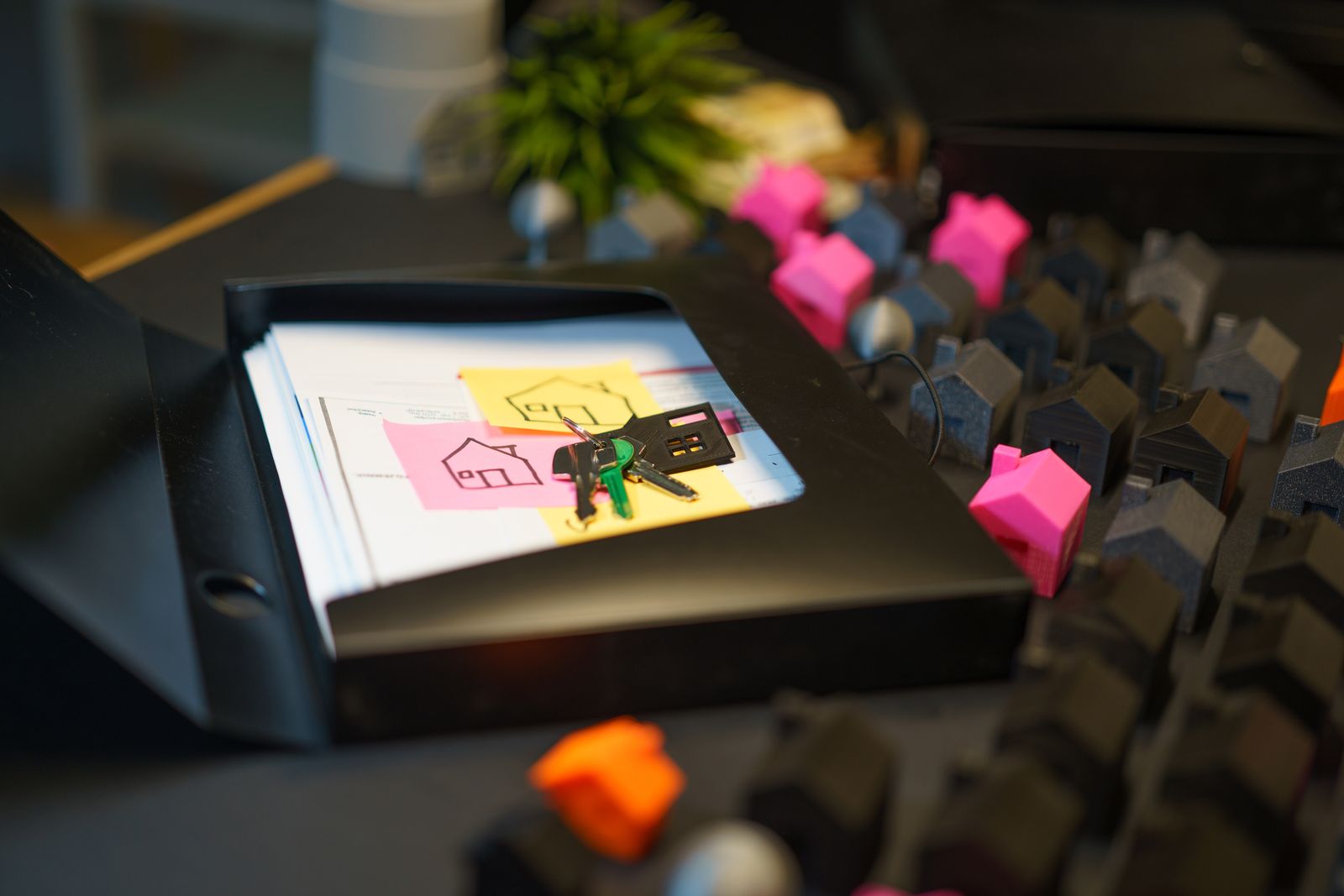
Your document kit should include copies of driver licenses, passports, Social Security cards, birth certificates, homeowners insurance, flood insurance, auto insurance, mortgage documents, recent utility bills, medical insurance cards, prescription lists, pet vaccination records, emergency contacts, and a basic home inventory.
Do not forget digital backups. Take clear photos or scans of key documents and store them securely in a cloud folder you can access from your phone. For South Florida homeowners, it is also wise to photograph big-ticket items such as appliances, electronics, furniture, art, tools, outdoor furniture, and recent upgrades. If you ever need to file an insurance claim, a simple home inventory can save hours and reduce confusion.
Make Your Supply Kit More Practical
Most hurricane supply lists include the basics: water, food, flashlights, batteries, first aid items, medicine, and hygiene products. Miami-Dade County recommends a seven-day supply of non-perishable food and a seven-day supply of water, using one gallon per person per day, including pets.
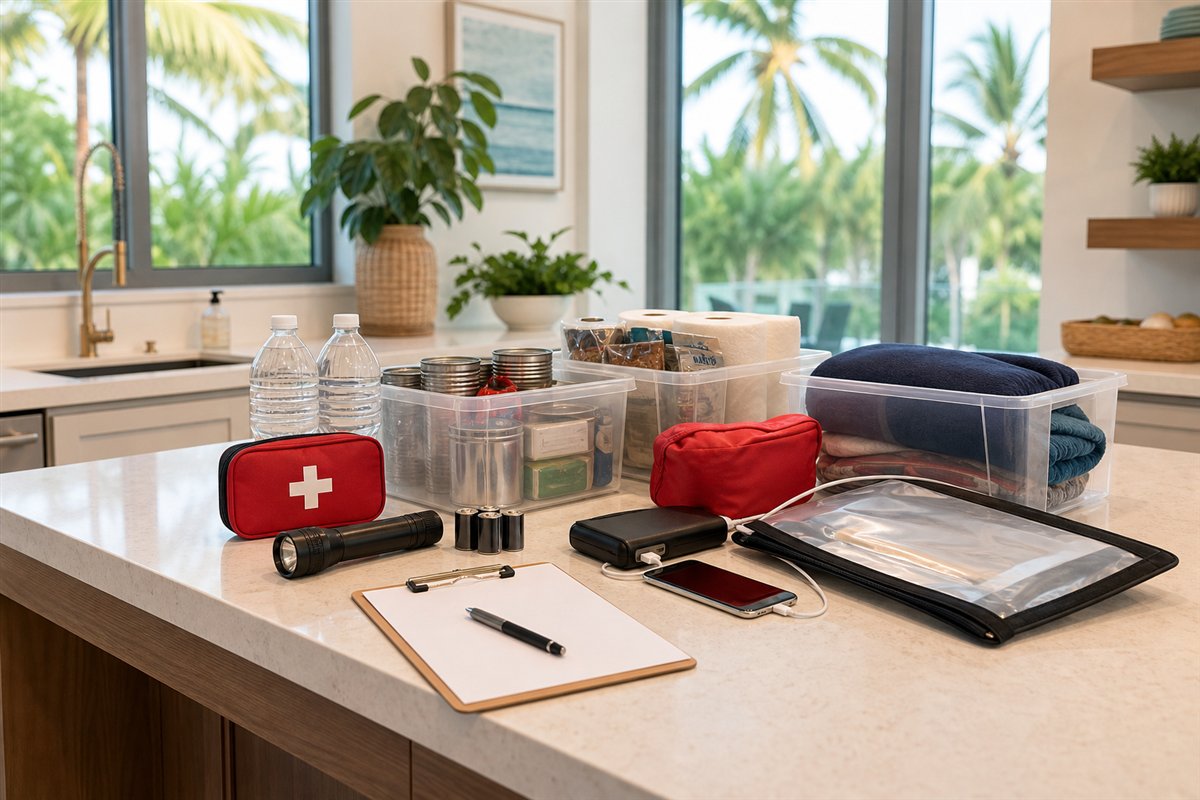
That guidance is important, but the way you organize supplies matters just as much. Instead of letting everything sit loose in a closet, group items by purpose: lighting, power, food, health, comfort, and cleanup.
- Lighting: flashlights, lanterns, headlamps, and batteries.
- Power: phone chargers, power banks, extension cords, and battery packs.
- Food: shelf-stable meals, a manual can opener, disposable plates, and pet food.
- Health: first aid kit, medications, masks, gloves, sanitizer, and wipes.
- Comfort: lightweight blankets, cooling towels, a battery fan, books, or games.
- Cleanup: trash bags, paper towels, disinfecting wipes, and work gloves.
Label each bin clearly. A homeowner should be able to open the closet and know exactly where to find lighting, food, power, and paperwork. This is especially helpful for families, multigenerational households, and anyone who may have guests or relatives staying with them during storm season.
Create a Home Protection Checklist
Your command center should include a printed home protection checklist. When weather alerts become serious, it is easy to forget small steps that protect the property.
Include reminders to test flashlights, charge power banks, bring in patio furniture, clear balcony drains, move valuables away from windows, fill vehicles with fuel, photograph the home exterior before the storm, set the refrigerator and freezer colder before power loss, and review how to shut off water, gas, and electricity safely.
For Miami and South Florida homes, exterior items matter. A lightweight patio chair, planter, or pool accessory can become a hazard in strong wind. Outdoor living is one of the great benefits of living here, but it also means homeowners need a plan for securing patios, balconies, lanais, docks, and pool areas.
Review Windows, Doors, and Garage Protection
Windows, doors, and garage doors are major points of vulnerability during a hurricane. Miami-Dade County notes that impact-resistant glass has become more common and can withstand severe wind conditions, while also potentially helping reduce insurance costs. For homes without impact glass, shutters or properly installed protection remain important.
A hurricane command center should include a shutter panel map, shutter hardware in labeled bags, the correct drill bits, wing nuts, anchors, tracks, photos showing where each shutter panel belongs, garage door brace instructions if applicable, and contact information for a shutter installer or handyman.
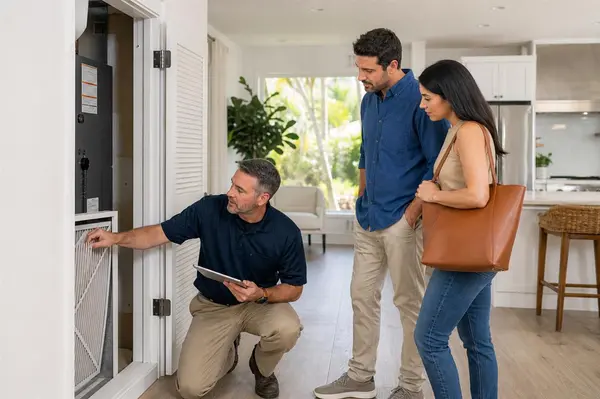
If your home has accordion shutters, roll-down shutters, impact windows, or a hurricane-rated garage door, this is the time to inspect them. Open and close shutters before the season starts. Make sure tracks are clean, locks work, and missing hardware is replaced early. Waiting until a storm is approaching can make small problems much harder and more expensive to fix.
For homeowners thinking about long-term property value, storm protection can be more than a safety upgrade. In the Miami real estate market, buyers often notice impact windows, updated doors, newer roofs, and hurricane-rated garage doors because they affect comfort, insurability, maintenance, and peace of mind.
Add a Communication Plan
Your command center should include a short family communication plan. If phones are low on battery, cell service is inconsistent, or family members are in different locations, everyone should know what to do.
Write down a local emergency contact, an out-of-area contact, school and workplace numbers, caregiver contacts, veterinarian information, doctor and pharmacy information, neighborhood or HOA contacts, insurance claim numbers, and utility outage numbers.
Also include your evacuation zone, nearest official shelter information, and any special medical or accessibility needs. City of Miami hurricane resources point residents to evacuation assistance and shelter information, while also warning that entering floodwater can be dangerous. That is especially relevant in low-lying parts of Miami, coastal neighborhoods, and areas prone to drainage issues during heavy rainfall.
Prepare for the Aftermath, Not Just the Storm
Many homeowners prepare for the wind but forget the days after the storm. Power outages, blocked roads, limited fuel, closed stores, damaged trees, and insurance documentation can become the real challenge.
Add an after-storm folder or checklist with insurance claim steps, a place to record claim numbers and adjuster names, contractor and roofer contacts, photos of your home before the storm, generator safety reminders, floodwater warnings, cleanup supplies, and work gloves.
After a storm, documentation is your friend. Photograph damage before moving or discarding items when it is safe to do so. Keep receipts for temporary repairs, supplies, hotels, and emergency expenses. This kind of recordkeeping may help with insurance and can make recovery feel more manageable.
Make It Part of Your Annual Home Routine
The best hurricane command center is not built once and forgotten. Set a recurring reminder every May to review documents, test equipment, check expiration dates, and update contacts. Replace batteries, refresh water and food supplies, confirm insurance information, and revisit your home inventory.
If you bought a new appliance, remodeled a room, added outdoor furniture, installed impact windows, upgraded the roof, or improved your landscaping, update your photos and records. Home improvements are easier to prove when you keep a clean record.
This is where preparation connects directly to homeownership and property value. A well-maintained, well-documented home is easier to insure, easier to manage, and often easier to sell. Buyers in South Florida appreciate homes that feel cared for, protected, and ready for the realities of local weather.
Final Thought
Creating a hurricane-ready home command center is one of the most practical projects Miami homeowners can complete before storm season. It does not require a major renovation. It simply requires organization, clear thinking, and a few hours of preparation before the pressure starts.
By June 1, your family should know where the supplies are, where the documents are, how to secure the home, who to contact, and what to do if conditions change. That level of readiness can make your home feel calmer, safer, and more manageable during one of the most important seasons for South Florida homeowners.
If you are thinking about buying, selling, improving, or better understanding the value of your home, William Gartin with eXp Realty can help you look at your property through both a lifestyle and real estate lens. From hurricane-ready upgrades to improvements that may support long-term value, William helps Miami and South Florida homeowners make smart decisions for the future.
William Gartin with eXp Realty
305-842-6097
williamgartinrealestate.com
Categories
Recent Posts