First-Time Homebuyer Miami: What to Do Before Touring Homes in 2026
Updated June 19, 2026. A first-time homebuyer in Miami has to move with more preparation than a buyer in many slower markets. The homes may look simple online, but the real decision is bigger than the listing price. You have to understand your monthly payment, the neighborhood, insurance, HOA or condo costs, commute, inspection items, and how quickly a strong property may attract attention.
That does not mean you should rush. It means you should get organized before the first showing. When a buyer tours homes before knowing the real numbers, the search can become frustrating fast. When a buyer has a clear pre-approval, a realistic payment range, and a short list of neighborhoods, the process feels more controlled.
If you are a first-time homebuyer in Miami, Miami-Dade, or Broward, use this as a practical pre-tour checklist before you start walking through homes.
Why first-time Miami buyers need a plan before touring homes
Miami and Broward buyers are still dealing with elevated borrowing costs, limited single-family inventory in some areas, and meaningful differences between condos, townhomes, and detached homes. Freddie Mac reported that the average 30-year fixed-rate mortgage was 6.47% as of June 18, 2026. That was lower than the prior week, but still high enough that small price, rate, insurance, and HOA differences can change a buyer's comfort level quickly.
The latest local market reports also show why preparation matters. MIAMI REALTORS reported on June 16, 2026 that Miami-Dade total home sales rose year over year for the ninth consecutive month in May. The same report showed Miami-Dade single-family median sale prices at $680,000 and condo median prices at $415,000 in May 2026. For Broward County, MIAMI REALTORS reported that total home sales rose for the third consecutive month, with single-family median sale prices at $630,000 and condo median prices at $275,000.
Those numbers do not tell every buyer's story, but they do show the basic reality: South Florida is active, price levels are serious, and the best search starts with a real plan.
Step 1: Get pre-approved before you fall in love with a house
A pre-approval is not just a piece of paper for the seller. It is the financial framework for your search. Before touring homes for sale in Miami, Kendall, Doral, Hialeah, Homestead, Miramar, Hollywood, Pembroke Pines, or Fort Lauderdale, you should know the price range a lender is comfortable with and the payment range you are comfortable with.
Those are not always the same number. A lender may approve a buyer for more than the buyer wants to spend each month. A smart first-time buyer looks at the full payment, including principal, interest, taxes, insurance, mortgage insurance if applicable, HOA or condo dues, and reserves for repairs.
This is also the time to ask about loan type. FHA, conventional, VA, and other programs can each have different down payment rules, property condition requirements, condo approval issues, and timelines. If you are considering a condo or townhome in Miami-Dade or Broward, ask the lender early whether the association, budget, insurance, and reserves could affect financing.
Step 2: Build your real monthly payment, not just your price range
Many first-time buyers begin with the listing price because that is what they see online. The better question is: what will this home cost every month after everything is included?
In South Florida, two properties at the same purchase price can have very different monthly payments. One may be a single-family home with no HOA but higher insurance and maintenance exposure. Another may be a condo with a lower purchase price but monthly association dues, special assessment risk, building insurance questions, parking rules, rental restrictions, and reserves. A townhome may sit somewhere in the middle.
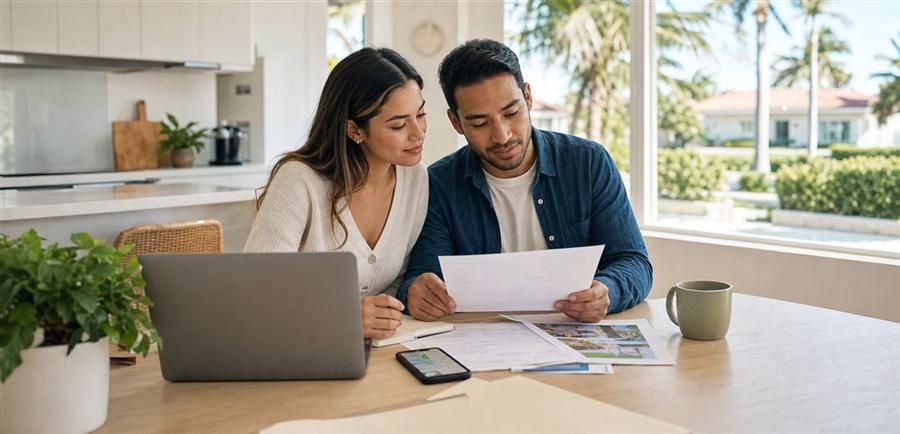
Before touring, make a simple payment worksheet for each property type you are considering. Include the projected mortgage payment, property taxes, homeowners insurance, flood insurance if needed, HOA or condo dues, utilities, maintenance, and a cushion for repairs. That exercise can quickly narrow your search to homes that actually fit your life.
Step 3: Compare neighborhoods based on daily life
Miami is not one market. A first-time buyer comparing Kendall, Westchester, Hialeah, Miami Lakes, Doral, Cutler Bay, Homestead, Hollywood, Miramar, Pembroke Pines, Fort Lauderdale, Sunrise, or Coral Springs is comparing more than prices. You are comparing commute routes, schools, parks, shopping, restaurants, insurance considerations, property age, association rules, and the kind of home you can realistically buy.
Kendall can work well for buyers who want suburban convenience, established shopping, access to major roads, and a mix of single-family homes, condos, and townhomes. Homestead may attract buyers looking for more space or newer construction at a different price point, while Doral often appeals to buyers who prioritize newer communities, airport access, and West Miami-Dade convenience. Broward cities such as Miramar, Pembroke Pines, Hollywood, and Fort Lauderdale can open up different lifestyle and budget options, depending on commute and property type.
The key is to rank what actually matters. If your job, school drop-off, family support, or weekend routine is tied to a certain corridor, the lowest purchase price may not be the best long-term fit. A good Miami Realtor should help you compare neighborhoods with your actual daily life in mind.
Step 4: Know what to ask before you schedule the showing
Before touring a property, ask a few practical questions so you are not wasting time on homes that are not a fit. How old is the roof? Is there an HOA or condo association? Are there rental restrictions? Are there known assessments? What insurance information is available? Does the property appear to be in a flood zone? Is the seller asking for specific terms, such as a leaseback or quick closing?
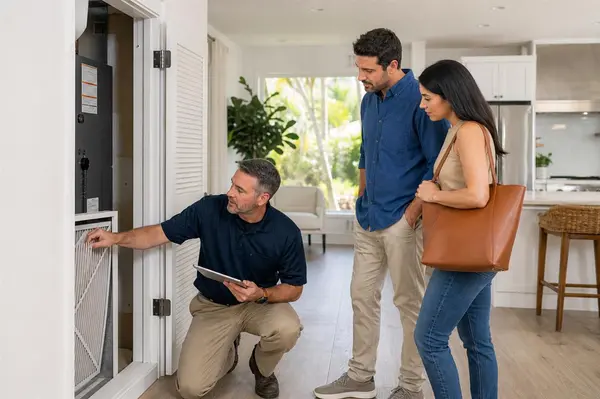
For condos and townhomes, ask about monthly dues, reserves, building insurance, application fees, approval timelines, parking, pets, rentals, and any current or pending special assessments. For single-family homes, pay attention to roof age, windows, electrical panel, plumbing, drainage, permits, pool condition, and whether the home may need wind mitigation improvements.
You do not need every answer before seeing the home, but you should know enough to decide whether the showing makes sense.
Step 5: Understand assistance programs before you need them
First-time buyers should ask early about local assistance programs, because availability, eligibility, funding, lender participation, and property rules can change. Miami-Dade County's Homebuyer Down Payment Assistance Program states that qualifying homebuyers can receive an interest-free loan of up to $35,000 to help with a first-home down payment. Miami-Dade also lists first-time homebuyer programs that work with lenders to create mortgage packages for eligible buyers.
Broward County's Home Buyer Programs page describes assistance as a deferred-payment second mortgage at 0% interest with a 15-year term, and notes that the buyer must contribute 3% of the purchase price. These programs are not automatic, and they are not right for every buyer, but they are worth reviewing before you write an offer.
The important point is timing. If you wait until you already found the house, you may discover that the program has rules your lender, property, contract, or closing timeline cannot meet. Build the assistance conversation into the beginning of the search.
Step 6: Use Loan Estimates to compare lenders clearly
Once you have a specific home in mind and are comparing mortgage options, the Consumer Financial Protection Bureau recommends requesting and reviewing Loan Estimates from multiple lenders. The CFPB explains that Loan Estimates help buyers compare loan costs, APR, monthly payment, and other terms across lenders.
This matters because a slightly different rate, lender fee, credit, discount point, or mortgage insurance structure can change your monthly payment and cash to close. Do not compare lenders from memory or casual quotes. Ask for written estimates for the same loan type, price, down payment, and timing so the comparison is fair.
Step 7: Decide what you are willing to compromise on
Every first-time buyer starts with a wish list. The successful buyers also know which items are flexible. Bedrooms, parking, commute, yard size, HOA rules, property type, school zone, renovation level, and location all compete with the budget.
In Miami-Dade and Broward, a buyer may decide that a townhome with strong location is better than a larger single-family home farther out. Another buyer may choose Homestead or West Broward because space matters more than being close to Downtown Miami. Another buyer may choose a condo because lifestyle, security, amenities, and lower maintenance feel more important than a yard.
The goal is not to find a perfect home. The goal is to find a home that fits your budget, lifestyle, and long-term plan better than the alternatives.
Step 8: Tour homes with an offer strategy already in mind
Before you tour, talk with your Realtor about how offers are being handled in your target areas. Are sellers negotiating? Are credits common? Are homes sitting longer in your price range, or are the better listings moving quickly? Should you be prepared with proof of funds for your down payment and closing costs? How fast can your lender issue an updated pre-approval letter?
A strong first-time buyer is not just looking. A strong buyer knows what they can offer, what they will not waive, when to negotiate, and when to walk away. That discipline protects you from overpaying or chasing homes that do not make sense.
Local authority note: Kendall as a first-time buyer comparison area
Kendall is a useful benchmark for first-time buyers because it shows how Miami-Dade value changes by property type. A buyer may find condos near shopping and transit corridors, townhomes with association rules, or single-family homes in established residential pockets. The area can appeal to buyers who want access to West Kendall, Baptist-area medical employment, Dadeland, Florida's Turnpike, Don Shula Expressway, schools, parks, and everyday conveniences.
For SEO and buyer guidance, the Kendall homes for sale page should be expanded with local copy about housing types, buyer profiles, nearby areas, commute patterns, schools, parks, shopping, and internal links to Miami, Doral, Homestead, Westchester, Coral Gables, and contact pages.
Ready to start the right way?
If you are thinking about buying your first home in Miami-Dade or Broward, start with the plan before the property. William Gartin with eXp Realty can help you compare neighborhoods, understand property types, prepare your search, and decide what homes fit your real budget.
Want to know what homes you may qualify for in Miami or Broward? Call William Gartin at 305-842-6097 or start the buyer questionnaire here: Tell us what you are looking for.
First-Time Homebuyer Miami FAQ
Should I get pre-approved before touring homes in Miami?
Yes. A pre-approval helps you understand your price range, monthly payment, loan type, and offer strength before you spend time touring homes.
What should first-time buyers compare besides the purchase price?
Compare monthly payment, taxes, insurance, HOA or condo dues, closing costs, repairs, commute, neighborhood fit, and property condition.
Are condos a good option for first-time buyers in Miami?
Condos can be a good fit for some buyers, but the association budget, reserves, insurance, monthly dues, assessments, rental rules, and lender approval should be reviewed carefully.
Is Kendall a good area for first-time homebuyers?
Kendall can be a strong option for buyers who want suburban convenience, established shopping, parks, schools, medical access, and a mix of condos, townhomes, and single-family homes.
Can first-time buyers get down payment assistance in Miami-Dade?
Some buyers may qualify for Miami-Dade or city-level assistance programs, depending on income, funding availability, lender participation, property rules, and program requirements.
Should I look in Broward if Miami feels too expensive?
Many buyers compare Miami-Dade and Broward because cities such as Miramar, Pembroke Pines, Hollywood, Fort Lauderdale, Sunrise, and Coral Springs may offer different price points and lifestyle options.
How do I know if a home is actually affordable?
Look beyond the approval amount. Review the full monthly payment, cash to close, emergency reserves, insurance, HOA or condo dues, and your comfort level after closing.
Who can help me compare Miami-Dade and Broward homes?
William Gartin with eXp Realty can help first-time buyers compare neighborhoods, property types, monthly costs, and realistic next steps across Miami-Dade and Broward.
Sources
Sources reviewed June 19, 2026: Freddie Mac Primary Mortgage Market Survey dated June 18, 2026; MIAMI REALTORS Miami-Dade and Broward May 2026 market releases dated June 16, 2026; Consumer Financial Protection Bureau Loan Estimate and homebuying guidance; Miami-Dade County Homebuyer Down Payment Assistance and First-Time Homebuyer Program pages; Broward County Home Buyer Programs page.
Categories
Recent Posts