Miami Real Estate News for July 12, 2026: Grove Isle, Condo Costs and Rates
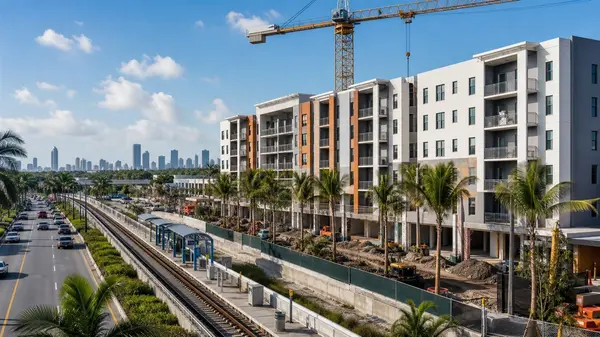
 Miami real estate news for Sunday, July 12, 2026 is a reminder that the market is moving on two tracks at once. On one side, luxury waterfront projects in Coconut Grove are still drawing serious money. On the other, everyday condo buyers have to look harder at association budgets, insurance, reserves, and monthly carrying costs before they decide a lower list price is really a deal.
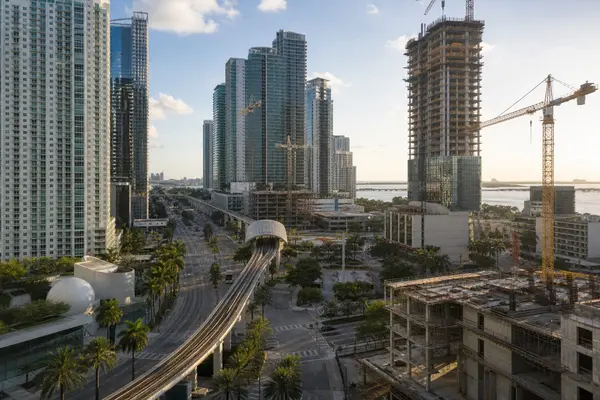
That combination matters in Miami because so much of our housing conversation runs through condominiums: bayfront towers, older coastal buildings, Brickell and Downtown high-rises, Coconut Grove boutique projects, Miami Beach associations, and investor-owned units across Miami-Dade. A buyer can love the view, the building, and the neighborhood and still need a very sober look at the numbers.
1. Coconut Grove luxury is still commanding attention
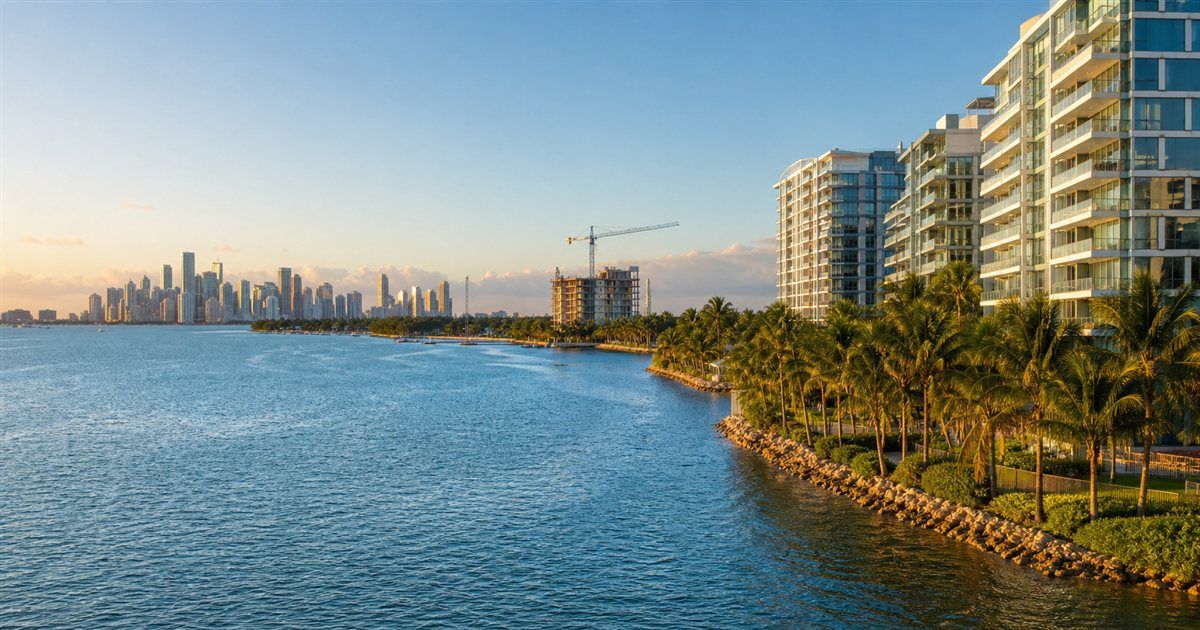
The biggest Miami real estate headline this weekend is Vita at Grove Isle, where a $23.5 million penthouse at the new Coconut Grove waterfront development is drawing national attention. The New York Post reported that the residence includes nearly 7,000 square feet, a private rooftop pool, bay views, and access to a private-island lifestyle on Grove Isle.
For Miami, the bigger story is not just one trophy listing. Vita is the first new residential building on Grove Isle in decades, and the project reflects how selective luxury buyers continue to value privacy, water, newer construction, and a Coconut Grove address. The development also sits inside a familiar Miami tension: residents want upgrades and long-term value, but new construction on established waterfront land often brings questions about density, covenants, traffic, views, and neighborhood character.
What buyers should watch: new luxury product can reset expectations in a micro-market. If closings at a boutique project establish strong price-per-square-foot benchmarks, that can influence how nearby sellers think about pricing, especially in Coconut Grove, Coral Gables, Brickell, and Miami Beach waterfront segments. But trophy pricing does not automatically describe the whole market. The most useful question is whether the building, views, reserves, insurance profile, and buyer pool support the number.
2. Lower condo prices do not tell the whole story
MarketWatch reported on July 10, 2026 that condo list prices are softening in some markets, but ownership costs are rising in ways that are easy to miss if buyers only focus on purchase price. The article cited a May 2026 Foundation for Community Association Research survey showing that many associations expect to raise regular assessments, and some expect special assessments.
That is especially relevant in South Florida. Miami-Dade and Broward condo buyers already have to think about insurance, reserves, milestone inspections, structural work, building age, financing rules, and association budgets. A lower sale price can still come with a higher monthly payment if the maintenance fee rises, a special assessment is pending, or the building has deferred capital projects.
What buyers should ask before writing an offer:
- What is the current monthly association fee, and when was it last increased?
- Are there approved or discussed special assessments?
- How much cash does the association hold in reserves?
- Are there current insurance increases, litigation, inspection issues, or large repair projects?
- Will the building qualify for the buyer's intended loan program?
For sellers, this is not just a buyer problem. If your building has clean financials, strong reserves, transparent minutes, and no surprise assessments, that should be part of the selling story. In a market where buyers are more careful, documentation can become a marketing advantage.
3. Mortgage rates moved higher again
Freddie Mac's July 9, 2026 Primary Mortgage Market Survey put the average 30-year fixed mortgage rate at 6.49%, up from 6.43% the previous week. The 15-year fixed rate averaged 5.82%, up from 5.79% the week before. AP also noted that the 30-year rate is still below the 6.72% average from the same time last year, but the week-to-week move still affects purchasing power.
For Miami buyers, this matters because the local monthly payment is already carrying more than principal and interest. Taxes, insurance, HOA or condo dues, flood considerations, and sometimes parking or special assessment costs all sit inside the real affordability picture. A small rate move can be the difference between staying comfortable and stretching too far.
Practical move for this week: if you are shopping in Miami, ask your lender to rerun your numbers with the current rate, the real estimated tax bill, insurance assumptions, and the actual association fee for the building you like. For condos, do not use a generic monthly estimate. Use the building's real numbers.
4. Broward construction is adding another urban-living comparison
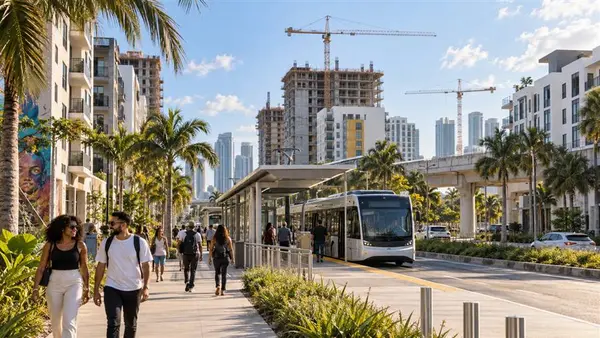
Miami is the center of this daily recap, but Broward is worth watching when a project changes the regional conversation. Axios Fort Lauderdale reported on July 8, 2026 that FAT Village in Flagler Village is moving toward openings later this year, with a $512 million, 5.6-acre development that includes office space, two apartment towers, retail, restaurants, and pedestrian-oriented streets.
Why include this in a Miami real estate recap? Because buyers compare lifestyle. A renter or buyer deciding between Miami, Fort Lauderdale, Doral, Aventura, Brickell, Downtown Miami, and Coconut Grove is not only comparing price. They are comparing walkability, restaurants, commute patterns, nightlife, creative energy, and whether a neighborhood feels finished or still in transition.
Fort Lauderdale's urban core keeps giving South Florida residents another option. Miami still has the deeper international brand, larger luxury market, and more intense development pipeline, but Broward's new mixed-use districts matter for renters, investors, and buyers who want urban convenience with a slightly different rhythm.
What this means if you are buying or selling in Miami
Today's takeaway is simple: Miami real estate is not one market. Coconut Grove luxury can be strong while some condo segments become more negotiable. Mortgage rates can rise while inventory gives buyers more options. Broward can add competitive new rental and retail product while Miami remains the regional center of gravity.
If you are a buyer, do not stop at the listing price. Run the full monthly cost. Read the condo documents. Ask about reserves, assessments, insurance, and lending eligibility. If you are a seller, make the clean parts of your property easier to see: updated building documents, strong association financials, recent improvements, realistic pricing, and a clear explanation of what makes your location valuable.
Miami rewards people who pay attention to the details. The skyline, the water, and the headlines matter, but the deal lives in the carrying costs, building condition, location strength, and buyer confidence.
Thinking about buying or selling in Miami, Coconut Grove, Brickell, Coral Gables, Miami Beach, or Broward? William Gartin Real Estate can help you compare the numbers behind the headlines, from condo fees and assessments to pricing strategy and neighborhood fit. Call William Gartin with eXp Realty at 305-842-6097 or visit williamgartinrealestate.com.
Sources
Categories
Recent Posts