Miami Real Estate News for June 20, 2026: SoMi Parc, Miami Wilds and Rates
Miami real estate news for Saturday, June 20, 2026 is really a story about discipline: where Miami-Dade is pushing new housing forward, where public land is getting a harder legal review, and how buyers should read the latest rate and inventory numbers before making a move.
The most useful local takeaway is not just that another building is rising. It is that the projects moving fastest are the ones that solve a real housing or infrastructure problem. In South Miami, Gallery at SoMi Parc is moving ahead as a major affordable and workforce housing phase near transit. Near Zoo Miami, the proposed Miami Wilds water park lease has been rescinded after a court fight over public park restrictions. That contrast matters for homeowners, buyers, renters, and investors across Miami-Dade because it shows how growth is being filtered by location, affordability, legal structure, and community impact.
South Miami Gets a Major Housing-Supply Signal
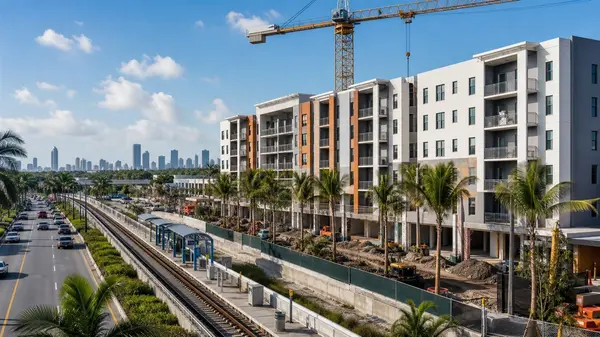
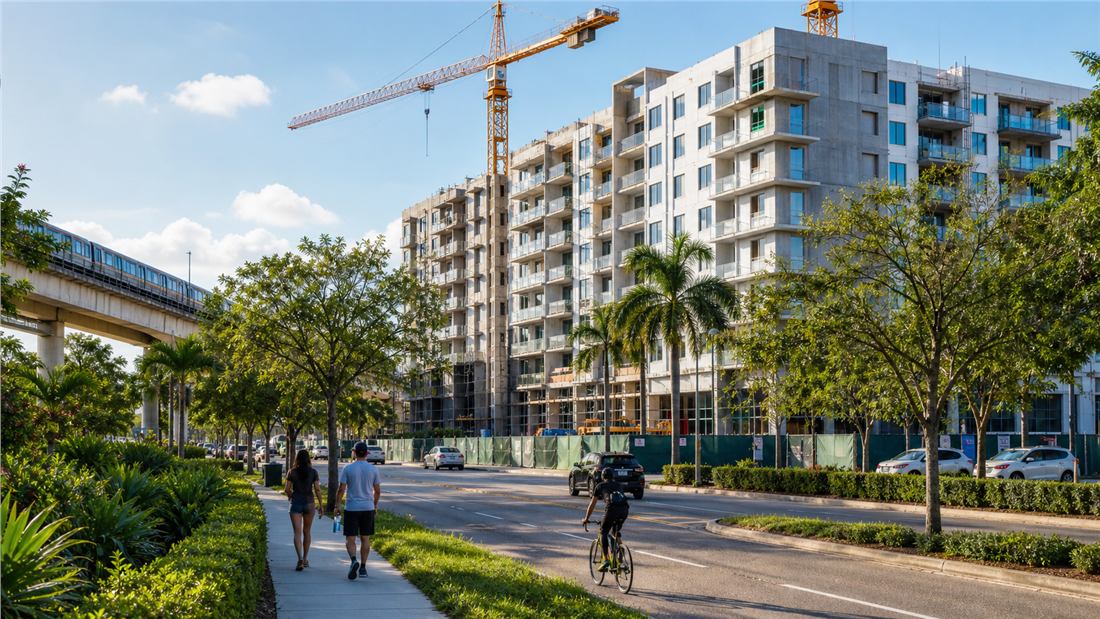
Gallery at SoMi Parc has officially broken ground in South Miami, according to Floridian Development's June 19 report. The project is part of the larger redevelopment of the former South Miami Gardens public housing site and is being developed by Related Urban in partnership with Miami-Dade County Public Housing and Community Development.
The first tower is expected to bring about 350 apartments, with homes serving residents across roughly 20% to 80% of area median income. The plan also includes 51 Link residences reserved for people with special needs, plus workforce housing for residents such as teachers, health-care workers, service employees, and other people who keep Miami running but often struggle to live close to work.
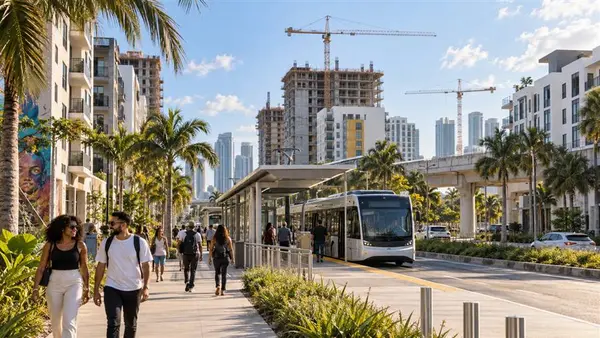
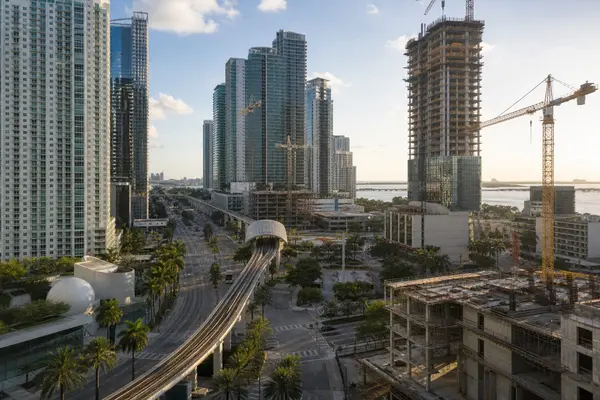
The real estate angle is straightforward: this is not a remote greenfield project. It is a transit-oriented housing play near the South Miami Metrorail station, close to South Miami, Coral Gables, Dadeland, and the US-1 employment corridor. When new rental supply is added near transit, parks, and daily services, it can reduce pressure on older rental stock, bring more predictable foot traffic to nearby retail, and make the surrounding neighborhood more attractive to residents who want a car-light lifestyle.
For nearby homeowners, the watch items are construction timing, street-level retail, parking behavior, and how the finished project connects to the existing neighborhood. For buyers looking around South Miami, Coral Gables, Pinecrest, and Dadeland, SoMi Parc is a reminder to look beyond the property itself and ask what new housing, transit access, and public-private investment are doing to the next five years of neighborhood demand.
Miami Wilds Shows the Other Side of Development Risk
The second local story is the end of a long fight over the proposed Miami Wilds water park next to Zoo Miami. Miami-Dade County announced on June 12 that the Circuit Court of the Eleventh Judicial Circuit granted the County's motion for summary judgment and rescinded the lease agreement with Miami Wilds, LLC. The County framed the ruling as a decision that keeps Miami-Dade compliant with public park-purpose deed restrictions and protects public assets.
For residents in South Dade, that matters beyond the water-park headline. Large entertainment projects can change traffic, nearby commercial demand, hotel assumptions, and the perceived amenity base around communities like Richmond Heights, Palmetto Bay, Cutler Bay, Kendall, and the Redland edge. But this decision is a reminder that public land, environmental restrictions, deed restrictions, and federal conditions can be as important as market demand.
In plain English: not every high-profile development is bankable just because it has been discussed for years. Buyers and investors should treat big proposed amenities as possibilities until the legal, environmental, financing, and entitlement pieces are actually settled.
Rates Eased, But Payments Still Need Discipline
Freddie Mac's June 18 Primary Mortgage Market Survey showed the average 30-year fixed-rate mortgage at 6.47%, down from 6.52% the prior week. The 15-year fixed-rate mortgage averaged 5.81%. That is a helpful move for sentiment, but it does not suddenly make Miami cheap.
In Miami-Dade, even a small rate dip can bring more buyers back into the conversation because prices are high and monthly-payment sensitivity is real. But serious buyers still need to underwrite the full South Florida payment: principal, interest, property taxes, insurance, flood considerations, HOA or condo fees, reserves, and maintenance.
For sellers, the rate dip is useful but not permission to ignore pricing. Buyers are still comparing options carefully, especially in condo-heavy submarkets where financing and monthly carrying costs can slow decision-making.
May Data Shows Miami-Dade Demand Is Still Active
The latest MIAMI REALTORS + RWorld May 2026 report gives today's local news some market context. Miami-Dade total home sales rose 7.9% year over year in May, with single-family sales up 10.5% and existing condo sales up 5.4%. The median single-family sale price was $680,000, while the median condo price was $415,000.
The more important split is inventory. MIAMI REALTORS reported 5.2 months of single-family supply, which points to a seller's market, while existing condos had 12.9 months of supply, which points to a buyer's market. That is why the same Miami-Dade headline can feel completely different depending on whether someone is shopping for a house in a tight neighborhood or comparing condos with more choices and more negotiable sellers.
That split is also why projects like SoMi Parc matter. Miami does not have one housing problem. It has several at once: entry-level ownership pressure, rental affordability, high insurance costs, condo financing friction, and a shortage of well-located workforce housing. Adding transit-adjacent apartments does not solve every issue, but it does help address the part of the market where Miami most needs practical supply.
What Miami Residents Should Watch Next
For South Miami and Dadeland, watch how SoMi Parc's construction schedule affects traffic, retail visibility, and rental competition. For South Dade, watch what Miami-Dade does next with the land-use questions around Zoo Miami and whether any replacement recreation concept moves to a less legally complicated site. For buyers, use the rate dip as a reason to re-run numbers, not as a reason to rush. For sellers, study your exact property type before pricing: single-family homes and condos are operating in different negotiating environments.
Miami real estate is still moving, but the smart read today is selective optimism. Housing that is near transit and tied to affordability has momentum. Public land projects are being tested more carefully. And buyers are still active, but they are math-conscious.
If you are trying to understand how today's Miami-Dade development news, rates, condo inventory, or neighborhood changes affect your next move, William Gartin Real Estate can help you read the market street by street before you buy, sell, or invest.
Sources
- Floridian Development: Gallery at SoMi Parc Breaks Ground With Affordable, Workforce, and Special-Needs Housing
- Related Group: Residences at SoMi Parc
- Miami-Dade County: Miami-Dade County prevails in legal challenge regarding Miami Wilds lease
- The Real Deal: Judge nixes Miami Wilds lease citing mutual mistake
- Freddie Mac Primary Mortgage Market Survey, June 18, 2026
- MIAMI REALTORS + RWorld: Miami-Dade Home Sales Rise for Ninth Consecutive Month
Categories
Recent Posts